
What to Do When You Have a Sewer Backup: A Homeowner’s Emergency Guide
A sewer backup is one of the most stressful—and hazardous—plumbing emergencies a homeowner can face. Raw sewage entering your home brings not only unpleasant odours and property damage but also serious health risks caused by bacteria, viruses, and toxic gases. The key to protecting your home and family is knowing what to do immediately, what NOT to do, and when to call in professionals like BEST Plumbing & Drainage Contractors.
This comprehensive emergency guide walks you through the right steps, common causes, prevention tips, and why professional intervention is essential.
What is a sump pump and how does it protect your basement from flooding?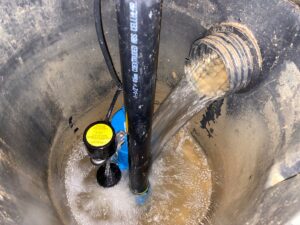
A sump pump is a device installed in the lowest point of your basement that automatically removes groundwater before it can rise to floor level. As water collects in a sump pit, the pump activates and pushes the water out through a discharge pipe away from your home’s foundation. In Ontario, where spring snowmelt and heavy rainfall are common, a properly installed and maintained sump pump is one of the most effective ways to prevent basement flooding, structural damage, and mold growth.
What Is a Sewer Backup?
A sewer backup occurs when wastewater can’t flow properly through your home’s drainage system and reverses back into sinks, tubs, floor drains, or toilets. This can happen anywhere in the home where drainage lines exist.
Backups shouldn’t be ignored—standing wastewater becomes more dangerous by the minute and can spread contamination through floors, walls, and personal belongings.
Step-by-Step: What to Do When You Have a Sewer Backup
1. Stop Water Use Immediately
Stop running water in all areas of your home. That means:
-
Don’t flush toilets
-
Don’t run taps
-
Don’t use showers or appliances like dishwashers or washing machines
Any water you run will add more wastewater to the already overwhelmed system.
2. Keep Family Members (and Pets) Away
Sewage contains bacteria such as E. coli, Salmonella, viruses, and chemical contaminants. Children, seniors, and pets are especially vulnerable.
Avoid the affected area until professionals assess the situation.
3. Turn Off Electricity if Water Levels Are High
If standing sewage water is near electrical outlets or appliances:
-
Turn off power from your breaker panel, NOT from individual switches
-
Avoid stepping into water that may be touching electrical sources
If unsure, wait for professionals—electrocution risk is real.
4. Protect Yourself With Safety Gear if You Need to Enter
If you must enter the area:
-
Wear rubber boots
-
Use gloves
-
Wear a mask
-
Avoid touching your face or skin
Even brief exposure to sewage can cause infection.
5. Identify the Source if Possible
If you can safely inspect the problem, look for:
-
Gurgling drains
-
Slow toilets
-
Water rising in basement floor drains
-
Wastewater backing up into showers or tubs
These clues can help your plumber quickly determine whether the issue is:
-
A main sewer line blockage
-
A stormwater backup
-
A collapsed or damaged pipe
-
Root intrusion
-
Grease or debris buildup
But never attempt to open the sewer line yourself—this can worsen the backup.
6. Call a Professional Plumber Immediately
A sewer backup is not a DIY project. Only trained technicians have the tools and experience to safely clear blockages and disinfect affected areas.
BEST Plumbing & Drainage Contractors provides:
-
Advanced camera inspections
-
High-pressure hydro jetting and jet vac
-
Root removal
-
Basement and crawlspace cleanup
-
Preventive maintenance plans
Fast professional service is essential to prevent further contamination and structural damage.
7. Document Damage for Insurance
Before cleanup begins:
-
Take photos
-
Record video
-
Note damaged belongings
Most insurance companies require this documentation, especially for basement backups.
8. Begin Ventilating and Drying the Area (After the Backup Stops)
Once the source is controlled:
-
Open windows
-
Run fans or dehumidifiers
-
Remove wet materials like carpets or cardboard
Standing water promotes mould growth within 24–48 hours.
What NOT to Do During a Sewer Backup
Avoid these common mistakes:
❌ Don’t use chemical drain cleaners
They rarely reach the main blockage and can corrode pipes.
❌ Don’t attempt to snake the line if you’re not trained
Homeowners often push debris deeper or damage the sewer line.
❌ Don’t ignore “small backups”
Slow drains or occasional basement water often signal a bigger problem—even a partial backup is dangerous.
❌ Don’t pump the water outside unless allowed
Environmental regulations in many municipalities prohibit dumping contaminated water.
Why Do Sewer Backups Happen? Common Causes Explained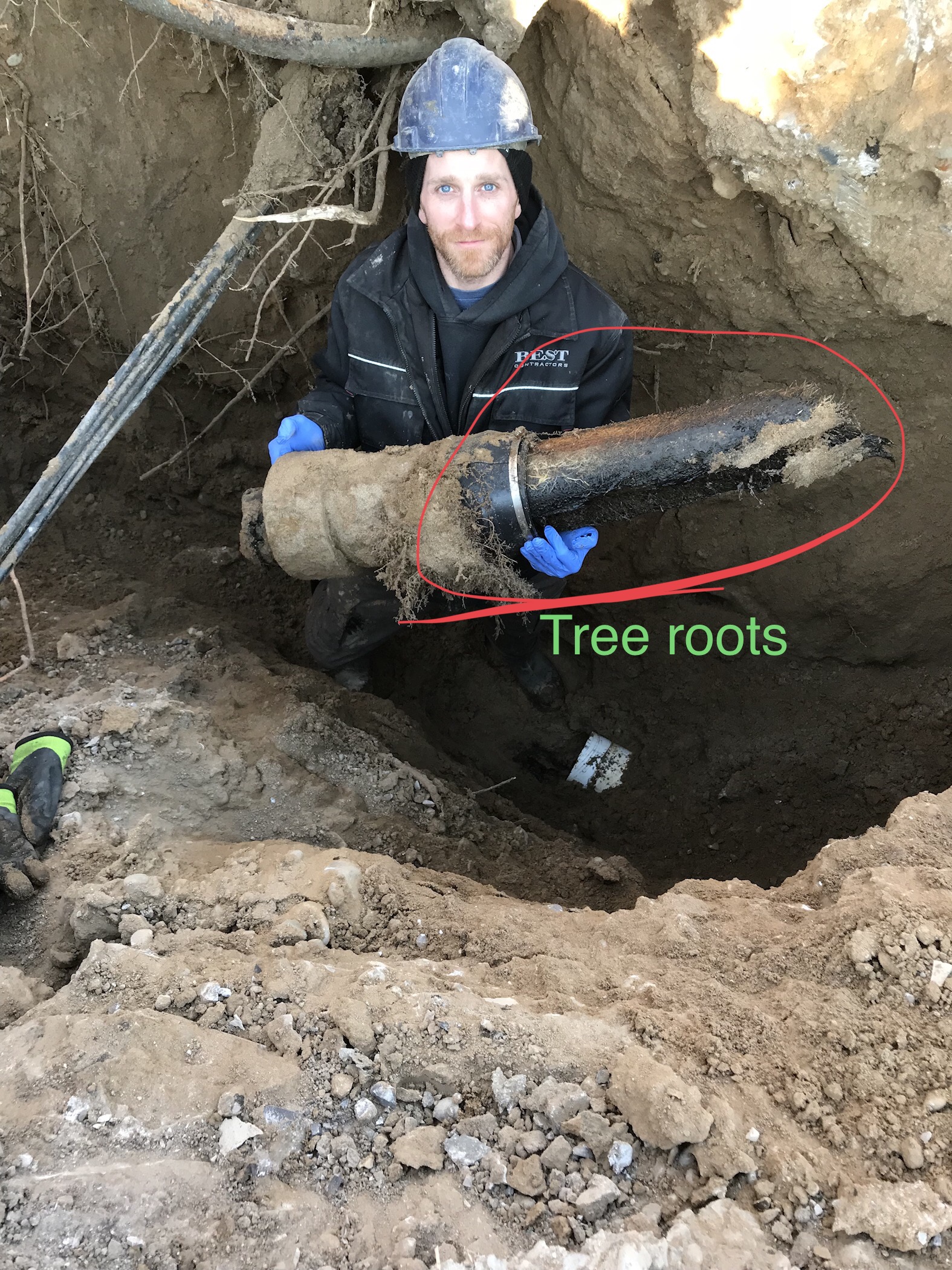
1. Tree Root Intrusion
Tree roots naturally seek moisture and can enter even tiny cracks in underground sewer lines.
2. Grease & Fat Buildup
Grease solidifies in pipes, creating thick blockages.
3. Collapsed or Aging Sewer Lines
Older clay or cast-iron pipes are prone to collapse or corrosion.
4. Heavy Rain or Snowmelt
Stormwater systems can overflow, pushing water back into home drains.
5. Foreign Objects or Non-Flushable Items
Common offenders:
-
Wipes (even “flushable” ones)
-
Paper towels
-
Feminine hygiene products
-
Hair buildup
- To learn more, read “17 Things You Should Never Flush in Your Toilet”.
6. Improperly Installed Plumbing
DIY installations often lead to poor slope or misaligned pipes, increasing backup risk.
How BEST Plumbing & Drainage Contractors Fix Sewer Backups
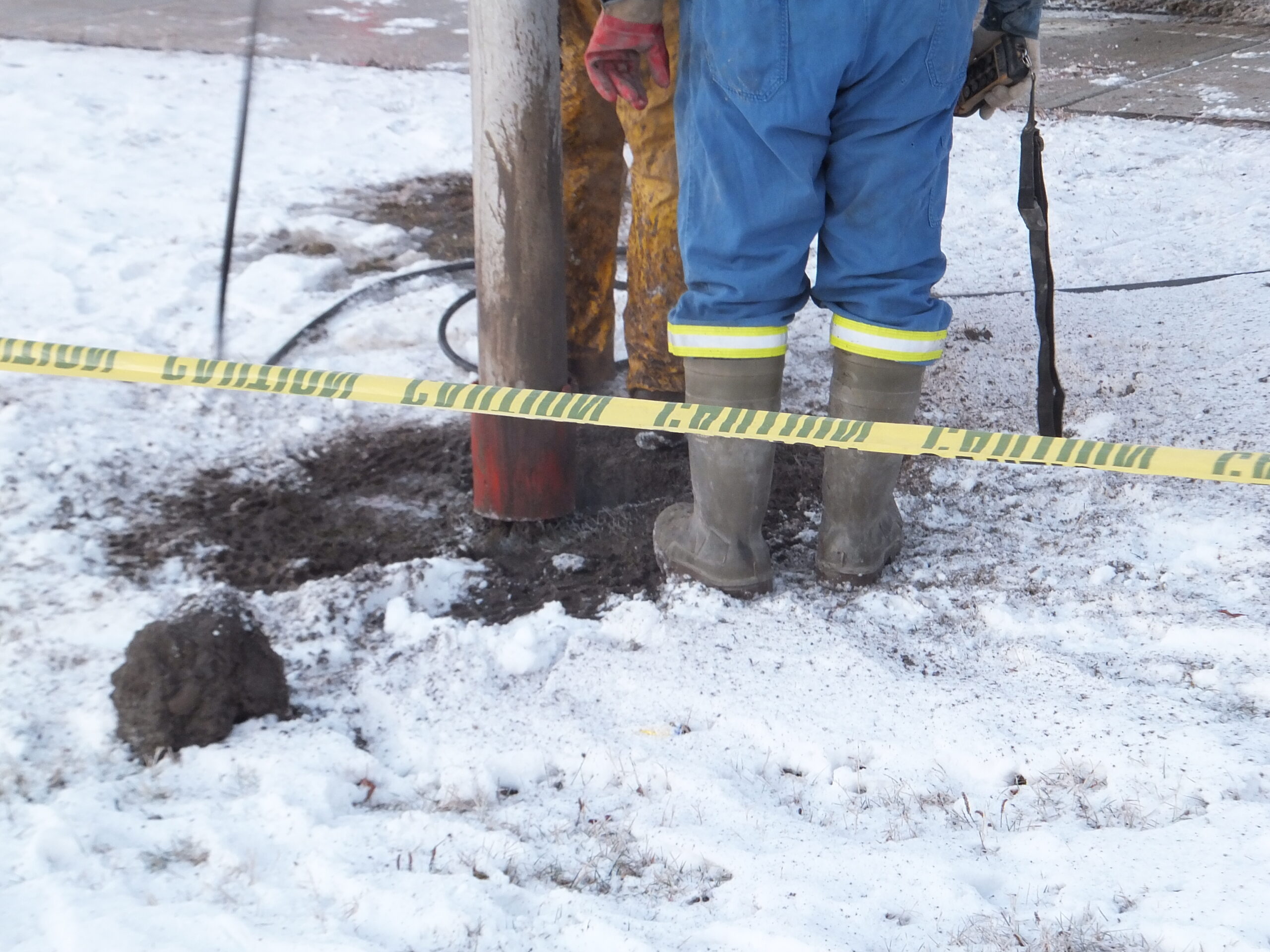
With over 50 years in the industry, BEST uses advanced diagnostic tools and proven repair methods.
✓ Video Camera Inspections
Pinpoint the exact location and cause of the blockage.
✓ High-Pressure Hydro Jetting
Clears grease, sludge, roots, and debris with intense water pressure.
✓ Root Removal & Line Repair
Safe extraction of intrusive roots and replacement of compromised pipes.
✓ Sewer Line Replacement (Trenchless Options Available)
Minimal disruption solutions for major pipe failures.
✓ Sanitization & Disinfection
Ensures your home is safe and free from contamination after cleanup.
✓ Emergency Response
Sewer backups rarely happen at convenient times. BEST’s 24/7 team is ready to act fast.
How to Prevent Future Sewer Backups
1. Schedule Annual Drain & Sewer Line Inspections
Treatment is helpful, but prevention saves money long-term.
2. Avoid Flushing Problem Materials
Stick to the basics: toilet paper only.
3. Install a Backwater Valve
Prevents the municipal sewer line from backing into your home.
4. Maintain Trees and Landscaping
Plant trees away from sewer lines and remove aggressive root systems.
5. Avoid Pouring Grease Down the Drain
Use a container to collect fats and oils instead.
6. Keep Gutters and Storm Drains Clear
Reduce water pressure around your foundation.
When to Call BEST Plumbing & Drainage Contractors
If you notice:
-
Repeat backups
-
Gurgling drains
-
Sewage odours
-
Water around basement floor drains
-
Slow sinks and tubs in multiple rooms
…it’s time to call in professionals.
BEST Plumbing & Drainage Contractors delivers fast, reliable, and safe solutions to protect your home and family—especially during winter and heavy rain seasons when backups are most common. If your sewer has backed up, call us now at (519) 438-6565.
Frequently Asked Questions About Sump Pumps and Basement Flooding
How do I know if I need a sump pump?
If your basement has ever had standing water, damp walls, or a musty smell after heavy rain or snowmelt, you likely need a sump pump. Homes in low-lying areas or on properties with poor drainage are especially vulnerable. A professional inspection from BEST Plumbing & Drainage can quickly tell you whether your home is at risk.
How long does a sump pump last?
Most sump pumps last around 10 years with regular maintenance. Pumps that run frequently — in areas with high water tables or heavy seasonal runoff — may wear out sooner. Annual inspections help catch problems early and extend the life of your system.
What happens if my sump pump fails during a storm?
A failed sump pump during heavy rain or spring snowmelt can result in significant basement flooding within hours. This is why a battery backup system is so important — it keeps your pump running even when the power goes out, which is exactly when you need it most.
How often should I test my sump pump?
You should test your sump pump at least twice a year — ideally before spring thaw and before the fall rainy season. Testing is simple: pour a bucket of water into the sump pit and confirm the pump activates and drains the water quickly. Don't forget to check the battery backup every few months as well.
Can I install a sump pump myself?
While DIY kits exist, improper installation is one of the most common reasons sump pumps fail. Getting the pit depth, discharge pipe routing, and check valve right all matter. A professional installation ensures your system is properly sized for your home and set up to actually protect you when it counts.
What is a sump pump battery backup and do I really need one?
A battery backup is a secondary power source that keeps your sump pump running during a power outage. Since power failures are most common during the heavy storms that cause flooding in the first place, a battery backup isn't optional — it's essential. Without one, your pump is useless the moment you need it most.
How much does sump pump installation cost in London, Ontario?
Costs vary depending on whether you need a new sump pit dug, the type of pump selected, and whether a battery backup is included. The best way to get an accurate number is to request a quote from a local specialist. What's worth remembering is that the cost of installation is a fraction of what basement flood damage typically runs.
Will a sump pump prevent all basement flooding?
A sump pump is highly effective against groundwater and subsurface water intrusion — the most common cause of basement flooding in Ontario. It won't, however, stop flooding caused by a burst pipe or a backed-up sewer. For complete basement protection, a sump pump should be part of a broader drainage strategy that may also include a backwater valve.
How do I know if my sump pump is working properly?
Signs of a failing sump pump include unusual noises, visible rust or corrosion, the pump running constantly, or water in the pit that isn't draining. If your pump is over 7 years old and hasn't been inspected recently, it's worth having a professional take a look — especially before spring arrives.
When is the best time to schedule a sump pump inspection in Ontario?
Late winter or early spring — before the ground thaws — is the ideal time. This gives you the opportunity to catch any issues before the heavy runoff season begins. BEST Plumbing & Drainage offers sump pump inspections across the London, Ontario area and can help make sure your system is ready when you need it.