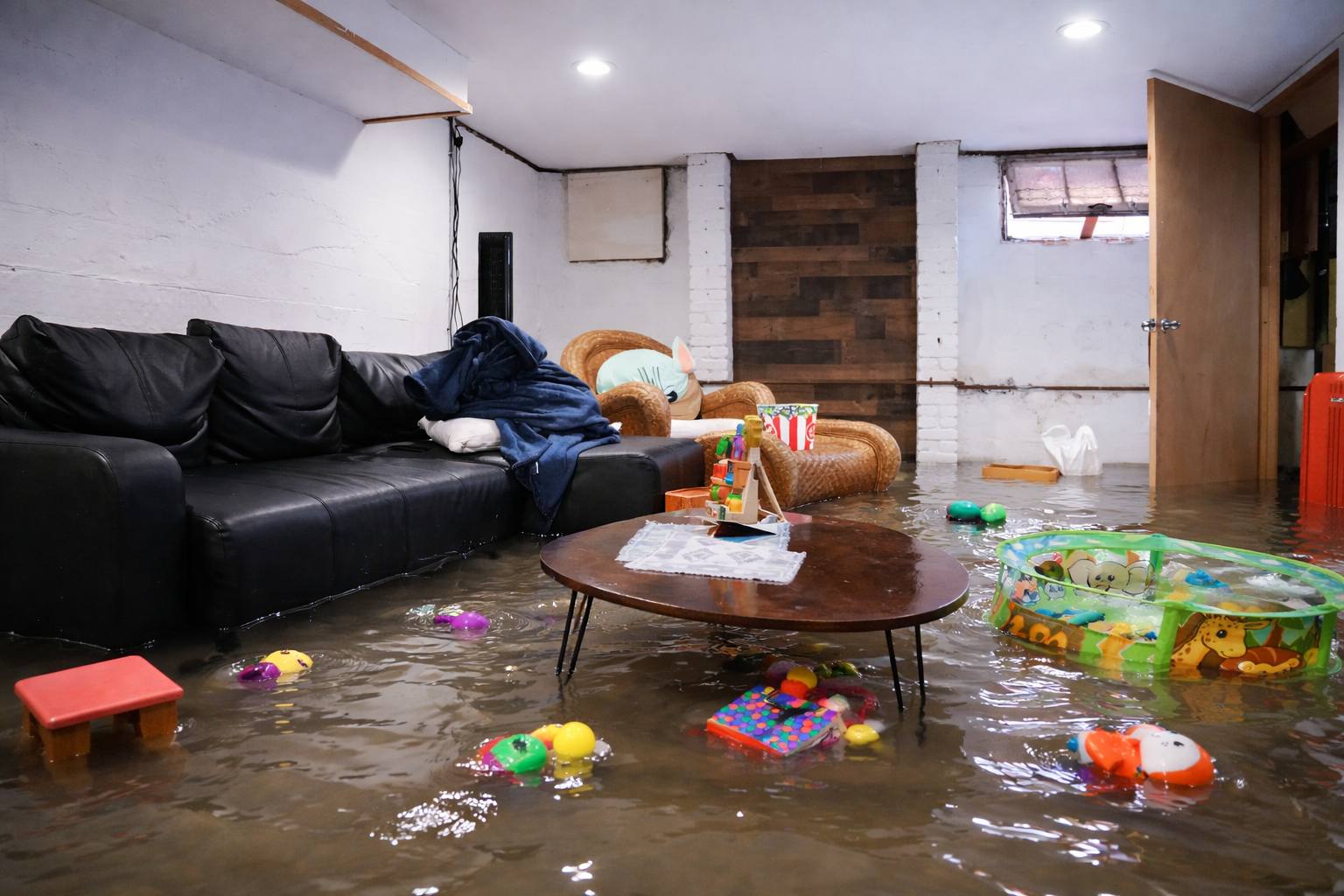
If you’ve ever had sewage back up into your basement during a heavy rainstorm, you know exactly how fast a bad day can become a catastrophic one. It’s messy, it’s expensive, and it’s more common in London, Ontario than most homeowners realize — especially in older neighbourhoods where combined sewer systems are still in use.
The good news: there’s a device designed specifically to stop sewer backup at the source. And the even better news? The City of London offers a grant program that can cover up to 90% of your installation costs.
Here’s everything you need to know.
What Is a Backwater Valve?
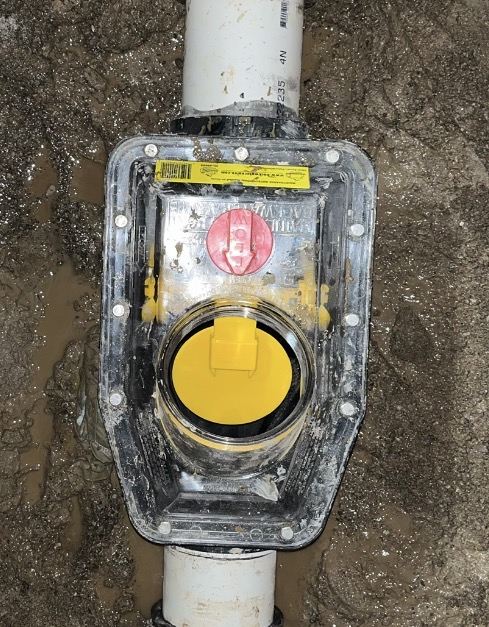
A backwater valve (also called a backflow valve or sewer backup valve) is a device installed on your home’s main sewer line. Its job is simple but critical: it allows wastewater to flow out of your home normally, but automatically shuts if sewage tries to flow back in.
Inside the valve is a flap — when water flows in the right direction, the flap stays open. The moment pressure reverses and sewage tries to enter your home, the flap closes, acting as a physical barrier between your basement and the city sewer system.
Important to know: When the valve is closed during a backup event, you cannot use any plumbing fixtures — toilets, sinks, showers, or appliances like washing machines. The closure is temporary and the flap reopens once the event passes and the sewer system normalizes.
This is especially true in January and early February when the ground is still deeply frozen. The result? Water accumulating where it shouldn’t — and serious problems if it gets into your home.
Why London, Ontario Homeowners Particularly Need One
London’s older neighbourhoods — think areas built before the 1980s — often rely on what are called combined sewer systems, where stormwater and sanitary sewage share the same underground pipes. During intense rainfall (which Southwestern Ontario sees regularly in spring and fall), these systems can become overwhelmed. When they do, water has nowhere to go but backward — into the closest available opening, which is often your basement floor drain.
Even in newer areas with separated sewer systems, a blockage or capacity issue further down the line can cause the same problem. No neighbourhood in London is entirely immune.
A properly installed backwater valve is the most direct line of defence against this specific threat.
The City of London Basement Flooding Grant Program
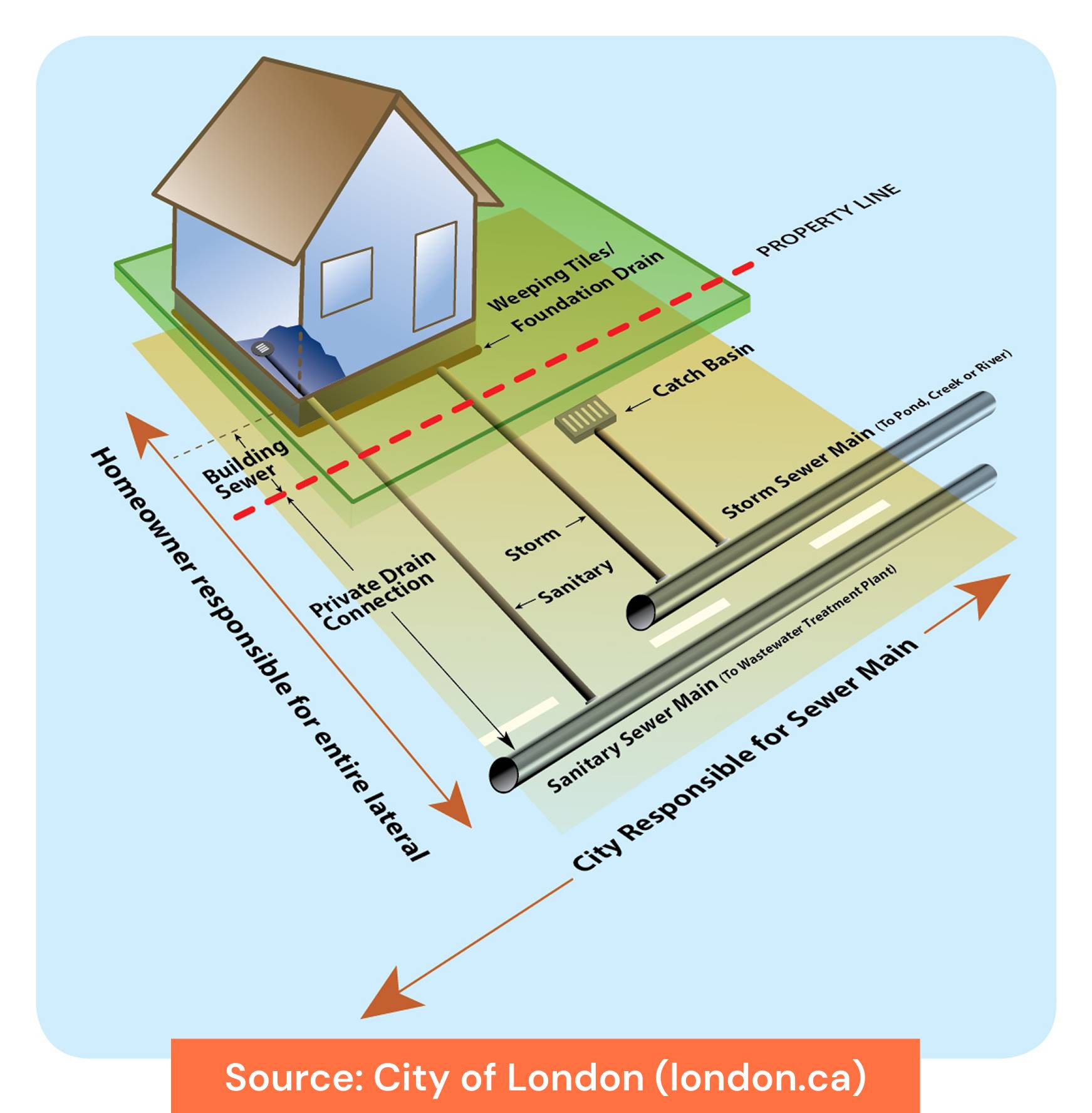
The City of London administers the Basement Flooding Grant Program, established under By-law A.-7562-160. For qualifying homeowners, this program can cover up to 90% of eligible installation costs — with a maximum grant of $1,800 toward a backwater valve installation.
This is one of the most generous municipal grant programs for flood protection in Ontario.
What the grant covers
The program provides funding for several flood protection measures, including:
- Backwater valve installation — up to $1,800
- Weeping tile disconnection and sump pump installation — up to $4,000
- Sewage ejector and holding tank (in cases where a backwater valve is not suitable) — up to $6,000
- Additional weeping tile disconnections — up to $2,400 per additional connection
- Private catch basin or driveway drain disconnection — up to $4,000
Grants are not retroactive — work must be pre-approved before it begins.
Who is eligible?
To qualify for the City of London Basement Flooding Grant Program, you must:
- Be the registered homeowner of a residential property in London, Ontario
- Not have started any construction related to your application before receiving written approval from the City
- Have experienced basement flooding, or live in an area prone to basement flooding due to the city sanitary main, or have significant sump pump surface discharge issues
- Meet any additional criteria as determined by the City Engineer
Homes built before 1985 are especially likely to qualify, as these properties are most commonly affected by aging combined sewer infrastructure.
Does a backwater valve need to be installed with something else?
In most cases, yes. The City of London program generally requires that backwater valve installation be done in conjunction with weeping tile disconnection. If your home doesn’t have weeping tiles, your licensed plumber or drainage contractor can confirm this in writing after a camera video inspection — and the City will assess your eligibility on a case-by-case basis.
How to Apply: Step by Step
Getting the grant is a process, but it’s a straightforward one when you have the right contractor on your side. Here’s how it works:
Step 1: Contact the City before doing anything. Email [email protected] or call 519-661-2489 ext. 5489 to discuss your situation and confirm eligibility. Do not begin any work before receiving written approval — the program is not retroactive.
Step 2: Get quotes from licensed contractors. You’ll need at least one (ideally two or more) itemized quotes. The quotes must break out costs separately for each component of the work — labour and materials for the backwater valve listed separately from any sump pump or weeping tile work.
Step 3: Submit your application. Once the City reviews your application and supporting documentation, they will advise you in writing whether the grant is approved and the approximate amount.
Step 4: Obtain permits before starting work. A building permit or plumbing permit is required. Failure to obtain the required permits before starting work will result in cancellation of your approved grant.
Step 5: Complete the work with a licensed contractor. The installation must be performed by a licensed plumber or drainage contractor in compliance with the Ontario Building Code.
Step 6: Submit your final invoice. Once the work is complete, submit your paid invoice to the City. Final grant amounts are based on actual invoiced costs.
What Does Backwater Valve Installation Involve?
This is not a DIY job — and the City of London’s grant program requires work be done by a licensed professional.
Here’s what the installation process typically looks like:
- Assessment — A licensed plumber inspects your main sewer line, often using a camera, to determine the best location for the valve and assess the condition of the pipe.
- Cutting the floor — The valve is usually installed on the main sewer lateral in the basement. This requires cutting through the concrete floor to access the pipe.
- Installing the valve — The backwater valve is fitted on the sewer line, sealed, and tested.
- Restoring the floor — The concrete is patched and the area is cleaned up.
- Permit inspection — If required, a City inspector will verify the installation before you can finalize your grant application.
The job typically takes anywhere from half a day to two days, depending on the depth of the pipe, accessibility, and whether any additional plumbing work is needed.
Backwater Valve vs. Sump Pump — Do You Need Both?
A common question. The short answer: they protect against different types of flooding, and most London homeowners benefit from having both.
|
Backwater Valve |
Sump Pump |
|
|---|---|---|
| Protects against | Sewer backup from city system | Groundwater seeping through foundation |
| How it works | Closes flap to block reverse flow | Pumps water collected in a sump pit away from the home |
| Best for | Older homes on combined sewers; flood-prone areas | Homes with high water tables; spring snowmelt |
| City grant available? | Yes — up to $1,800 | Yes — up to $4,000 (with weeping tile disconnection) |
The City of London’s Basement Flooding Grant Program covers both — and the maximum total grant for a property combining multiple eligible measures can be substantial.
How Much Does Backwater Valve Installation Cost in London, Ontario?
Installation costs vary based on several factors:
- Depth and accessibility of the main sewer line
- Whether the concrete floor needs significant cutting
- Condition of the existing plumbing
- Whether additional work (such as weeping tile disconnection) is being done at the same time
Before the City of London grant, typical installation costs in the London area range from roughly $1,500 to $4,000+ for a backwater valve, depending on complexity. With the City covering up to 90% of eligible costs (maximum $1,800 for the valve itself), many homeowners end up paying only a few hundred dollars out of pocket.
Compare that to the average cost of a basement flood — which can easily run $10,000–$50,000 or more in water damage, mold remediation, and lost belongings — and the math is clear.
Why Choose BEST Plumbing & Drainage Contractors?
BEST Plumbing & Drainage Contractors has been serving London and Southwestern Ontario for over 50 years. Our licensed team handles backwater valve installations from inspection through permit to completion — and we know the City of London grant program inside and out.
We can help you:
- Assess whether your home is a good candidate for a backwater valve
- Prepare the itemized quotes required for your grant application
- Handle the plumbing and drainage permit process
- Complete the installation to Ontario Building Code standards
If a flooded basement is a concern — or if you’ve already experienced one — the time to act is before the next storm, not during it.
Contact BEST Plumbing & Drainage Contractors today for a free assessment.
For the most current information on the City of London Basement Flooding Grant Program, visit www.london.ca/living-london/water-environment/flooding or contact Sewer Engineering at [email protected]. Grant availability is subject to funding as determined by City Council.
Frequently Asked Questions
Is a backwater valve required in London, Ontario?
New homes and major renovations in London are generally required to include backwater valves. Older homes are not retroactively required to install one, but they are strongly recommended — particularly for homes in flood-prone areas or on combined sewer systems.
How do I know if my home already has a backwater valve?
Look for a rectangular lid flush in your basement floor, typically located near the front of the house or floor drain. If you're not sure, a licensed plumber can confirm this during an inspection.
Can I install a backwater valve myself?
No. Backwater valve installation requires cutting into your main sewer line and is subject to Ontario Building Code requirements. It must be performed by a licensed plumber or drainage contractor. Attempting a DIY installation will also disqualify you from the City of London grant program.
Does a backwater valve require maintenance?
Yes. Debris, grease, or mineral buildup can prevent the flap from seating properly. Annual inspection by a licensed professional is recommended, and many manufacturers suggest checking the valve every six months. If you notice slow drains or unusual odours near your floor drain, have the valve inspected.
Will homeowner’s insurance cover sewer backup damage?
Standard homeowner's insurance policies in Ontario typically do not cover sewer backup unless you have added a specific sewer backup endorsement. Installing a backwater valve can make you eligible for that coverage and may reduce your premium. Check with your insurer.
What if I’m not sure whether I qualify for the City grant?
Contact the City of London's Sewer Engineering team directly: [email protected] or 519-661-2489 ext. 5489. They can confirm your eligibility before you commit to any work.