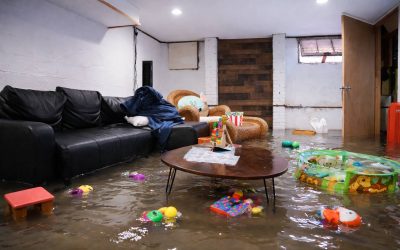
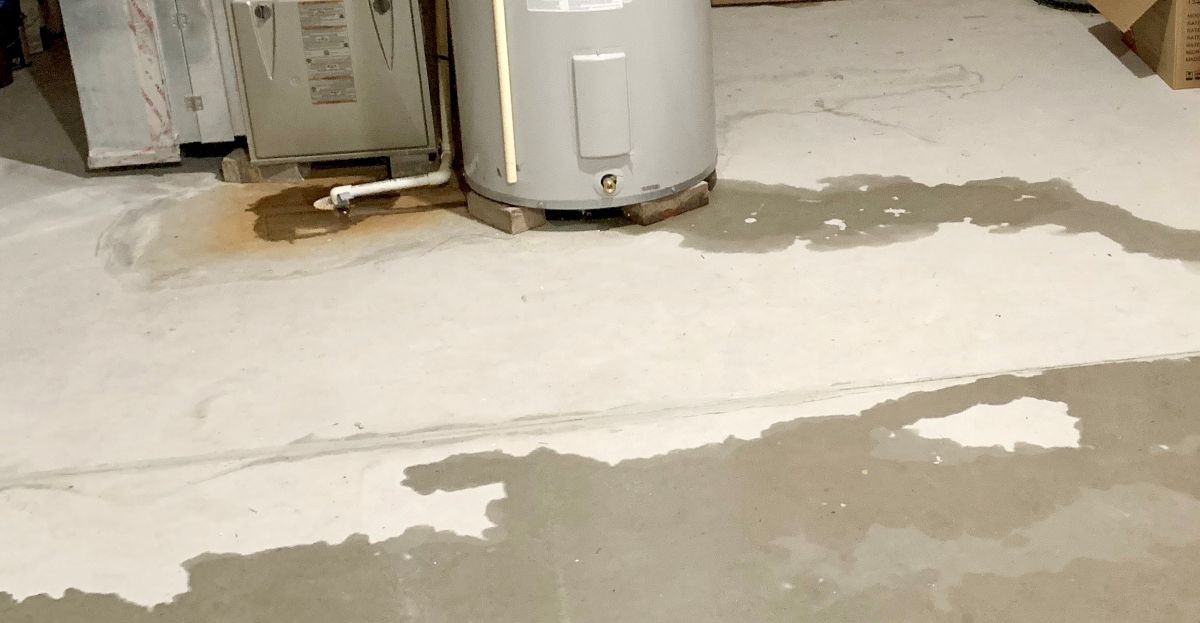
It may seem completely counterintuitive for your basement to be wet during the frozen winter months. After all, everything outside is covered in snow or ice, so how can moisture still be seeping in? The reality is that snow is just another form of precipitation — and yes, it can absolutely contribute to basement water issues. At BEST Plumbing and Drainage Contractors, we’ve zeroed in on eight key possibilities that often lead to a wet basement when you’d least expect it.
Any way you look at it, a wet basement must be addressed — and addressed now.
Hidden Dangers of a Wet Basement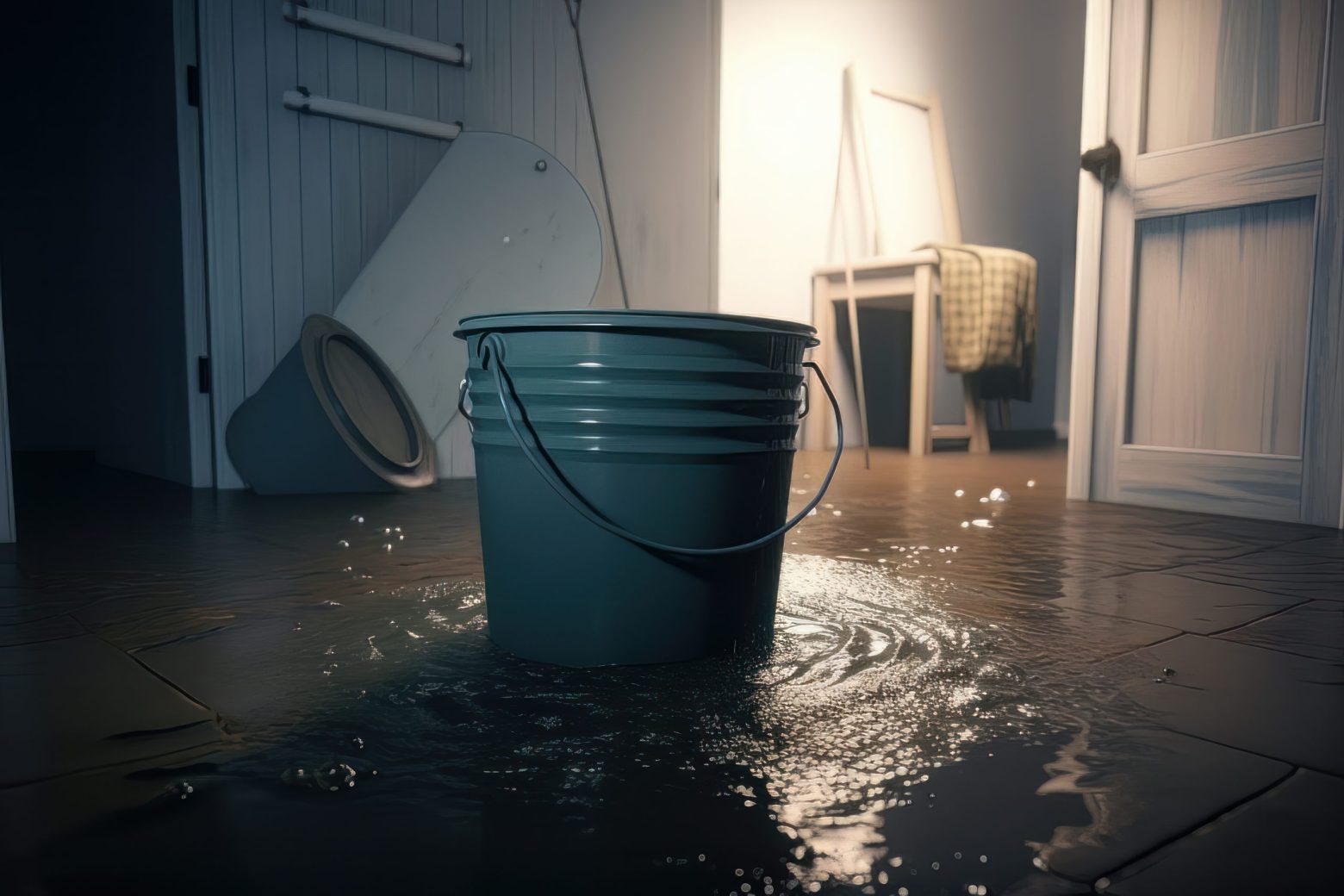
A wet basement is more than just an inconvenience — it can cause serious problems if left unaddressed:
-
Structural Damage – Constant moisture can weaken your foundation walls and floor slab over time. Small cracks can expand, leading to costly structural repairs.
-
Mould and Mildew Growth – Even minor dampness can create the perfect environment for mold. Mold spores can affect indoor air quality and trigger health issues, especially for children, seniors, or those with allergies.
-
Electrical Hazards – Water near outlets, appliances, or electrical wiring in your basement creates a serious safety risk, including short circuits or even fire hazards.
-
Damage to Personal Property – Stored items, furniture, and flooring can be ruined by water seepage, leading to costly replacements.
-
Reduced Home Value – A wet basement can lower your property value, deter buyers, and complicate home sales if not properly addressed.
Addressing the hidden dangers early is critical. At BEST Plumbing and Drainage Contractors, we don’t just fix the symptoms — we find the source of moisture and implement solutions to protect your home, family, and investment.
How winter snow can lead to a wet basement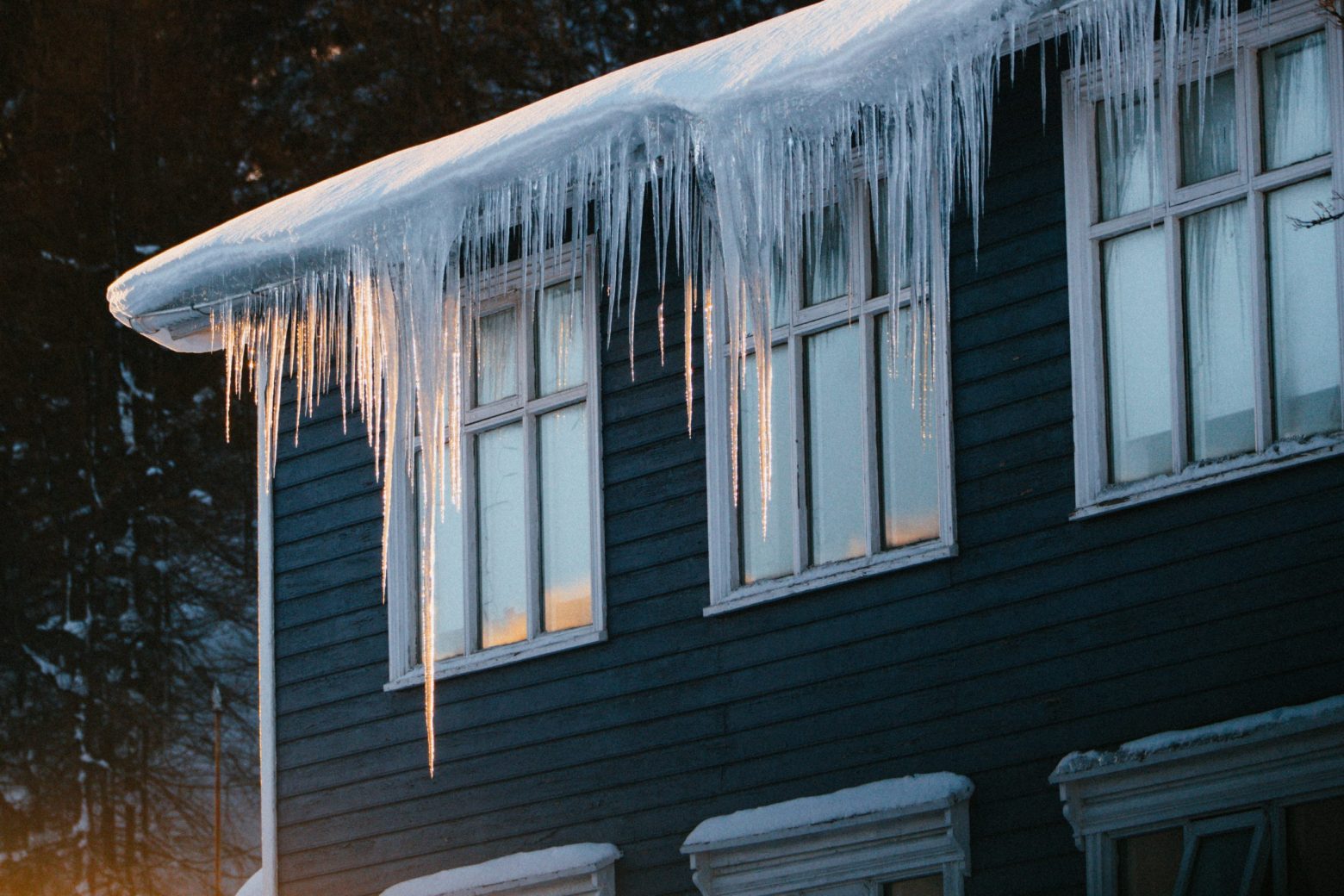
Your heated home keeps the basement warmer than the frozen exterior ground. That temperature difference causes snow accumulation around your foundation to melt at the base, or cause ground moisture to thaw. When the soil is saturated or thawing, what follows is hydrostatic pressure — the force exerted by water-saturated soil and groundwater pushing downward and sideways against foundation walls and floors.
That pressure often forces moisture to travel upwards through the floor slab or through cracks in the foundation wall. The result: a basement that looks like it should be dry, yet becomes damp, shows water seepage, or causes wall and floor damage.
The best solution? Understand the source, then apply a comprehensive drainage or waterproofing solution — either interior or exterior. At BEST, we provide expert assessment and reliable solutions for basement moisture.
8 Common Reasons for a Wet Basement (in Winter or Any Season)
Here are the eight scenarios we routinely investigate at BEST. Each one is actionable and fixable.
-
Cracks or an older, failing foundation
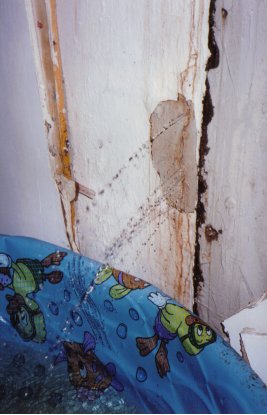
Over time, foundations — particularly those built before modern moisture-barrier standards — may become porous or cracked. Even tiny pinholes in the concrete can allow steady seepage of water into your basement walls. Research from the Canada Mortgage and Housing Corporation (CMHC) shows that ground moisture and hydrostatic pressure are primary culprit sources for basement moisture. -
Improperly directed or too-short downspout from eavestroughs
If your downspout discharges too close to your foundation (or back toward it), water will ground at the base of the wall. In cold weather, melt water or thawed snow can pool or remain near the foundation and then refreeze, creating more problems. BEST also provides drains & sewers inspection and solutions to ensure runoff is safely directed away from your home. -
Clogged eavestrough gutters
Undetected leaves, ice buildup or debris in gutters can prevent proper runoff. In winter, this means water backing up, icing up, then melting and running directly down the wall to the foundation — elevating risk of seepage. The CMHC guide advises home-owners to check gutters and downspouts when diagnosing moisture infiltration. -
Unmaintained window wells
If your basement has windows with wells, these must be kept clean. Leaves, sediment and ice can block the well drain. If water accumulates and freezes, when it thaws it can seep through window frames or sill joints. At BEST, we regularly clear and check window-well drains to prevent that exact scenario. -
A clogged underground downspout extension
Some homes have downspouts that go underground to a perforated pipe or drainage channel. If it becomes clogged or freezes, meltwater can’t exit properly and backs up toward the wall. In winter this is a double-threat: ground freezing + backup. Many general contractors overlook this, but at BEST we check these extensions as part of a full inspection. -
Improper grading of your yard or neighbourhood topography
Water always travels downhill — if your house is built at the bottom of a slope, or if regrading over the years has directed stormwater toward your foundation, you will incur moisture issues. According to CMHC, “basement flooding problems are best diagnosed by working your way down from the eavestroughs and downspouts, to the lot and foundation drainage.” -
Your home is built in a naturally high-water table area
Especially in regions near lakes or the Thames river, the groundwater table may be high. When snow melts or rain hits the saturated ground, hydrostatic pressure builds and forces water into the lowest point — often the basement. CMHC has long identified high water tables as a major root cause of basement moisture. -
A lack of green space that would accept precipitation run-off
In tightly built neighbourhoods where landscaping is mostly concrete, asphalt or pavers, there’s less surface for precipitation to absorb. When snow melts or rain hits these hard surfaces, it must go somewhere — often it gets directed toward the foundation. This is where a proper sump pump and drainage plan becomes critical. We at BEST install and inspect sump systems as part of our wet-basement services.
Prevention & Solution Strategy
At BEST, we approach basement-moisture issues with a proactive, layered strategy:
-
Inspection: We identify the source (or sources) of moisture — whether it’s surface runoff, capillary rise, hydrostatic pressure, or improperly functioning plumbing or drainage systems.
-
Correct the surface issues: Recommend gutters or downspouts be fixed or replaced, ensure proper grading, check window wells, clear underground extensions.
-
Relieve hydrostatic pressure: Installing interior drain-tile systems, exterior waterproof membranes, or sump-pump systems as needed. According to experts, interior drainage systems are often the most reliable when hydrostatic pressure is high.
-
Waterproofing & finish work: Once moisture has been stopped at source, one can safely proceed with finishes. CMHC advises ensuring moisture issues are addressed before refinishing a basement.
-
Ongoing maintenance: We recommend regular inspections, gutter cleaning, sump pump checks before winter, and confirmation that downspouts remain extended away from foundation.
For more detailed advice, check out our Wet Basements blog article for deeper insights into each cause and solution.
Frequently Asked Questions (FAQs)
Q1: Why is my basement wet even though the snow outside is frozen solid?
Because snow acts like precipitation. If it accumulates near your foundation and then thaws (either from basement heat conduction through the wall or winter sun), water can seep in. Also, when the surrounding ground thaws, hydrostatic pressure can force moisture into the basement.
Q2: What is hydrostatic pressure and how does it affect my basement?
Hydrostatic pressure is the force exerted by water-saturated soil pushing against your foundation walls and floors. If soil is saturated, that pressure might cause cracks in the wall or slab and force water into your basement.
Q3: How can snow on the ground cause basement leaks while it’s still winter?
Snow melts at the base of heated foundation walls, saturating the soil. That thawed water either flows toward the foundation or is drawn in by hydrostatic pressure. It accumulates at the wall, seeps through cracks, and can lead to interior moisture.
Q4: Is sealing cracks inside the basement enough?
Not usually. If you only seal cracks without eliminating the water source or relieving pressure, you may mask symptoms — but the source remains and damage can continue. CMHC outlines that interior fixes must be paired with source correction.
Q5: How often should I have drainage or sump systems inspected?
We recommend at least annually, and before winter especially. At BEST, we check sump pump operation, downspout extensions, window-well drains and surface grading each year.
Why Choose BEST Plumbing and Drainage Contractors?
Since 1986, BEST Plumbing and Drainage Contractors has proudly served London, Ontario and surrounding areas. With decades of experience uncovering the root causes of basement moisture and delivering long-term, reliable solutions, we understand how to keep your basement dry and your property protected. We promise professional service, transparent assessments, and cost-effective solutions tailored to your situation.
Don’t wait until the next melt or thaw to find out your basement has a problem. Contact BEST Plumbing and Drainage Contractors today and let our team give you peace of mind — your basement will thank you.