Frozen Pipe Repair Guide: How to Prevent, Identify & Fix Frozen Pipes This Winter (And When to Call BEST Plumbing & Drainage Contractors)
This guide explains how to prevent, identify, and safely repair frozen pipes in winter. It covers the signs of frozen pipes, what to do during a frozen pipe emergency, risks of DIY thawing, and how to avoid a burst pipe. It also highlights when homeowners should call BEST Plumbing & Drainage Contractors, who provide 24/7 frozen pipe repair, thawing services, leak detection, and winter plumbing protection across the London, and Southwestern Ontario.
Winter in Canada brings frigid temperatures that can place enormous stress on your plumbing system. Frozen pipes are one of the most common — and most dangerous — winter plumbing problems. If not handled quickly, a frozen pipe can burst, causing severe flooding, property damage, and costly repairs.
This comprehensive frozen pipe repair guide explains everything you need to know to keep your home safe, including how to spot the signs of frozen pipes, what you should never do, and when to call the professionals at BEST Plumbing & Drainage Contractors.
With over 50 years of experience, our team provides safe, fast, 24/7 emergency frozen pipe repair and thawing services to protect your home all winter long.
Why Do Pipes Freeze in Winter?
Pipes freeze when water inside them drops below 0°C and begins to solidify. As water becomes ice, it expands. This expansion creates pressure inside the pipe — and if the pressure becomes too strong, the pipe cracks or bursts.
Pipes most likely to freeze include:
- Uninsulated basement pipes
- Pipes behind poorly insulated exterior walls
- Pipes in garages, crawl spaces, or attics
- Outdoor hose lines
- Older metal piping systems
One frozen pipe can quickly become multiple frozen pipes when temperatures stay low for long periods.
Signs You Have a Frozen Pipe 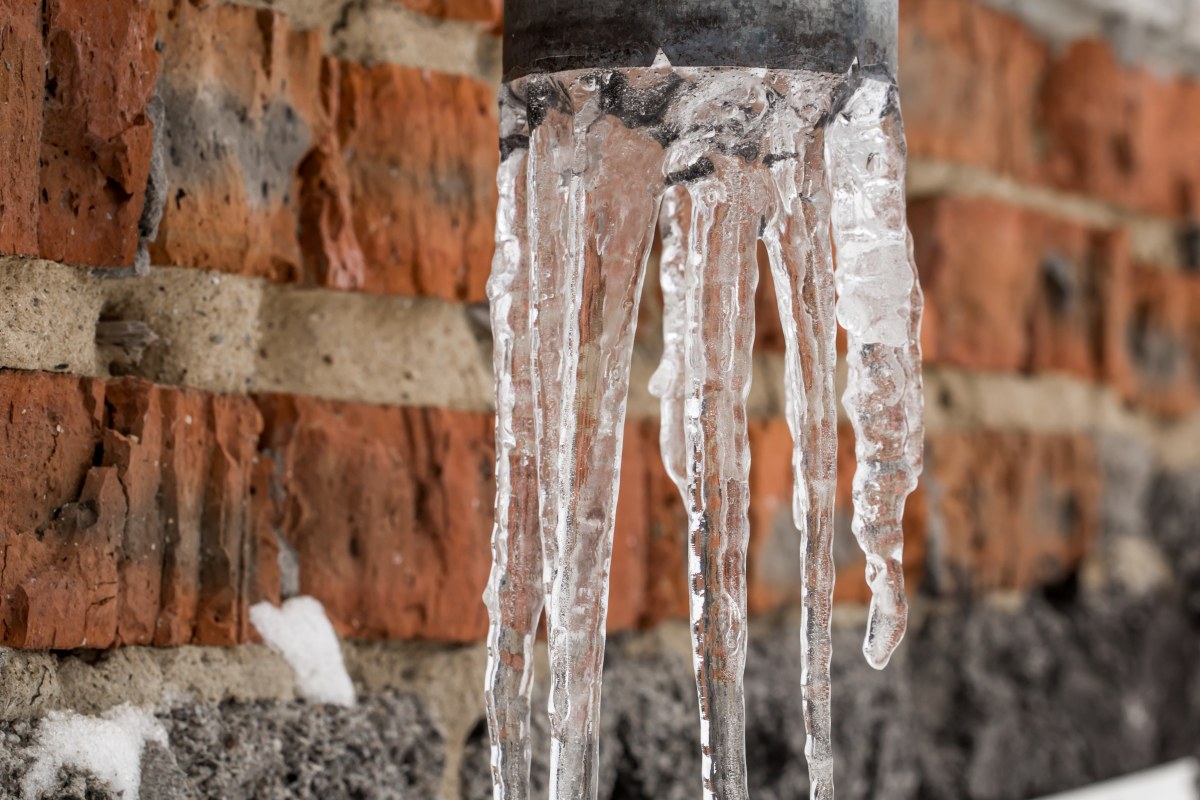
Freezing temperatures cause water in pipes to expand, leading to bursts. Following our trusted frozen pipe repair guide can help homeowners recognize early warning signs before major damage occurs.
Frozen pipes may not be obvious at first, but there are several warning signs you should never ignore:
No water or extremely weak water flow
If water stops flowing from a faucet — especially in winter — a frozen pipe is a leading cause.
Unusual noises
Banging, clanking, or gurgling can indicate expanding ice inside the pipe.
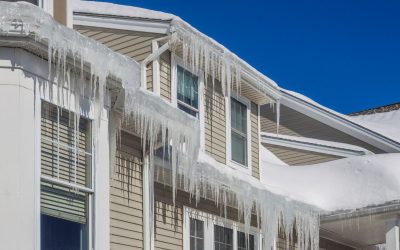
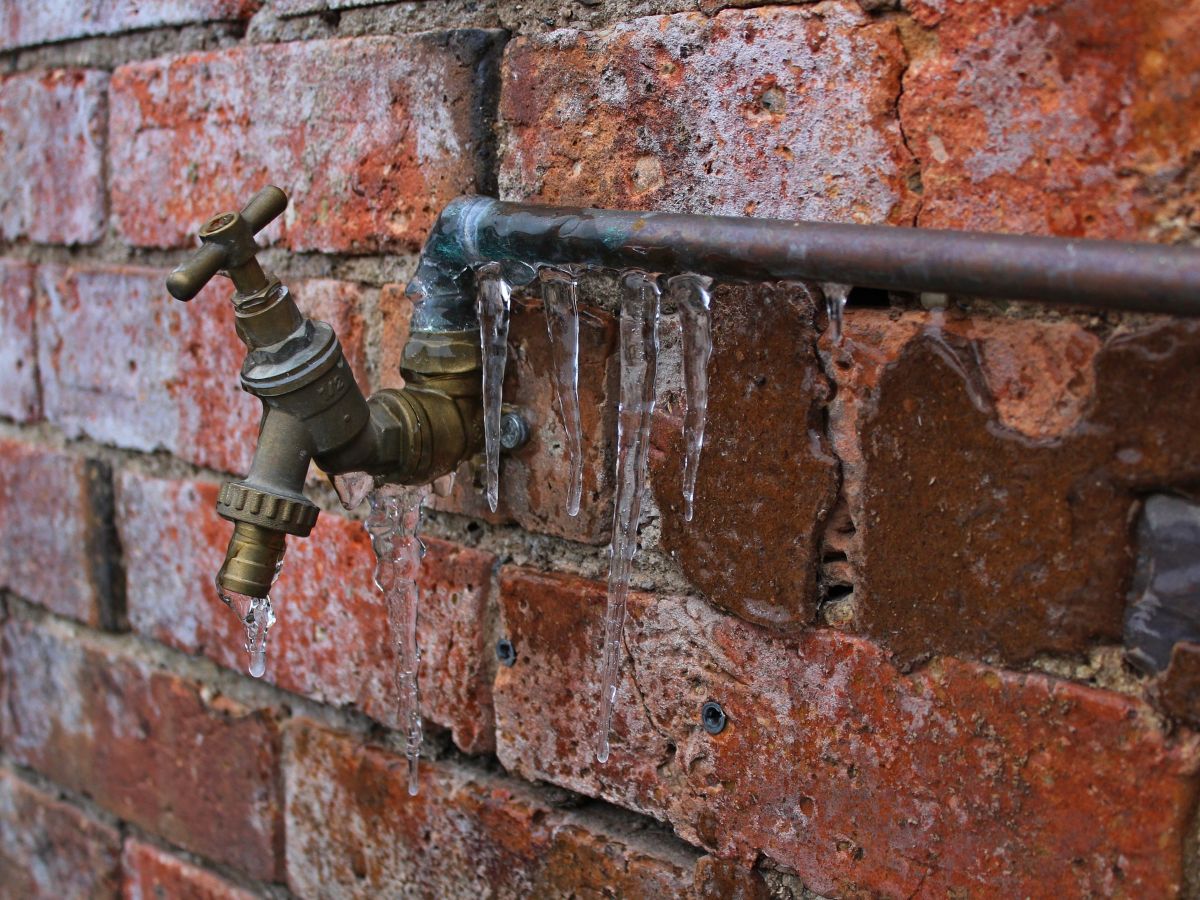
Frost forming on exposed pipes
Visible frost is a clear sign that the pipe is below freezing.
Strange smells
If a frozen pipe affects a drain line, sewer odours may come back up through sinks or tubs.
Bulging or cracked pipe sections
This means damage has already begun — shut off the water immediately.
If you are unsure, BEST Plumbing offers video inspections and thermal imaging to confirm frozen pipe locations quickly and safely.
What to Do Immediately If You Suspect a Frozen Pipe
If you think a pipe is frozen, follow these steps right away to minimize damage:
Turn Off the Main Water Supply
Stopping water flow prevents pressure buildup and reduces the risk of a burst pipe.
You’ll usually find the shut-off valve:
- Near the water meter
- In the basement
- In a utility room
Open All Faucets
Opening taps helps release pressure and allows melting ice to escape safely once thawing begins.
Turn Up the Heat
Warm the home and increase heat in the problem area. Open cabinet doors around kitchen or bathroom sinks.
Do NOT Use Open Flames
Never use:
- Blowtorches
- Propane heaters
- Lighters
- Heat guns
- Space heaters in enclosed spaces
These methods are extremely dangerous and commonly cause:
- House fires
- Carbon monoxide poisoning
- Pipe damage from uneven heating
Call BEST Plumbing for Safe, Professional Pipe Thawing
DIY thawing may seem tempting, but it often causes burst pipes because homeowners can’t see where the ice blockage actually is.
BEST Plumbing uses:
- Commercial-grade pipe thawing machines
- Thermal imaging
- Safe heating technology
- Pressure-release systems
- Leak detection tools
We thaw pipes even in hard-to-reach locations — safely and without damaging your home. Call BEST or complete their online form.
What Happens if a Frozen Pipe Bursts?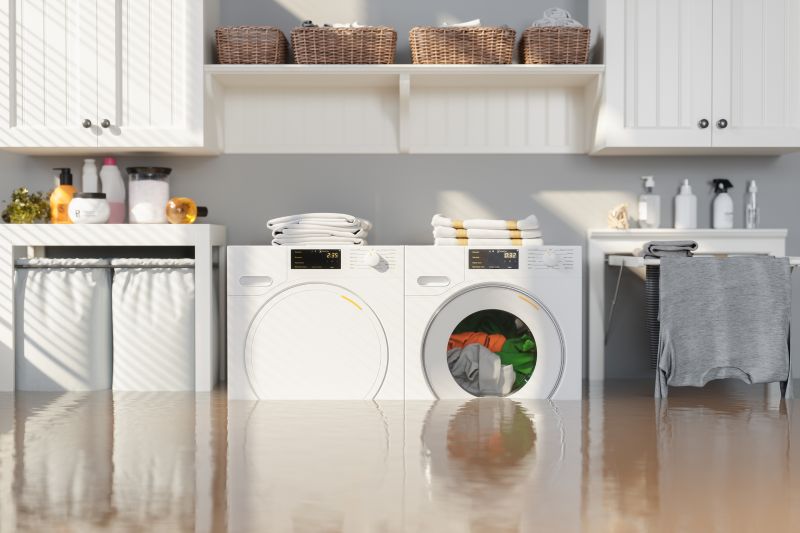
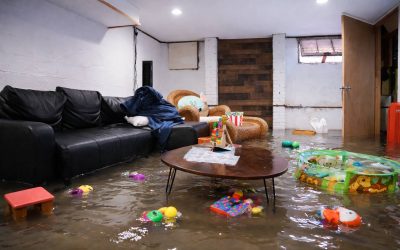
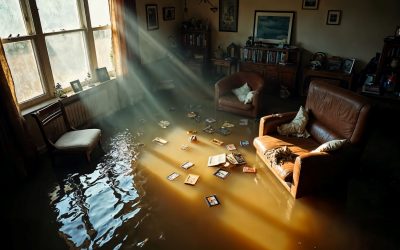
A burst pipe can release hundreds of litres of water in minutes, flooding:
- Basements
- Living rooms
- Furnace areas
- Bedrooms
- Storage spaces
This water can cause:
- Mould and mildew growth
- Electrical hazards
- Damaged flooring and drywall
- Ruined furniture and belongings
- Costly structural repairs
If a pipe bursts:
- Shut off the main water supply
- Shut off electrical breakers in affected areas
- Call BEST Plumbing’s 24/7 emergency service
- Begin mopping or extracting water if safe
- Move valuables away from water
BEST provides both frozen pipe repair and post-burst cleanup and restoration recommendations.
How to Prevent Frozen Pipes Before They Happen
Prevention is the best protection against frozen pipes. Here are the top strategies recommended by BEST Plumbing:
Insulate exposed pipes
Use foam sleeves or fiberglass insulation on any pipes in unheated spaces.
Seal cold drafts
Cold air leaks can freeze pipes quickly — especially under sinks or in basements.
Keep the thermostat consistent
Never let your home drop below 18°C (65°F), even when away.
Let faucets drip during extreme cold
A slow trickle keeps water moving, reducing the risk of freezing.
Disconnect outdoor hoses
Leaving hoses connected traps water in exterior plumbing lines.
Get a winter plumbing inspection
BEST Plumbing provides winter-ready inspections that identify vulnerable pipes before temperatures drop.
Why Choose BEST Plumbing & Drainage Contractors for Frozen Pipe Repair?
While this frozen pipe repair guide can help you identify issues early, professional plumbers have the tools and training to fully resolve the problem. With five decades of service in the London, and Southwestern Ontario, BEST Plumbing is a trusted leader in winter plumbing emergencies.
Here’s why homeowners choose us:
✔ 24/7 Emergency Frozen Pipe Service
Rapid response during freezing conditions to prevent damage.
✔ Safe, professional pipe-thawing technology
No open flames. No guesswork. No unnecessary demolition.
✔ Leak detection & camera inspections
We find the source of the problem so it doesn’t come back.
✔ Expertise with older plumbing systems
Many Ontario homes have many aging pipes — we understand them deeply.
✔ Friendly, transparent service
Upfront pricing, clear communication, and guaranteed workmanship.
✔ Full-service winter plumbing help
We can also assist with:
- Sewer backups
- Drain cleaning
- No-water emergencies
- Water heater issues
- Basement waterproofing
- Flooded basements caused by pipe bursts
Your family’s safety is always our top priority.
Frozen Pipe Repair FAQs
- How long does it take to thaw a frozen pipe?
Most pipes can be thawed in 30–90 minutes, depending on location and severity.
- Will my insurance cover water damage from a burst pipe?
Many policies do, but only if the homeowner took reasonable steps to maintain the plumbing system. Preventative care is important.
- Can frozen pipes thaw on their own?
They can — but they may also burst during the thaw. Waiting is risky and not recommended.
- Are plastic pipes safer than metal pipes in winter?
Plastic expands more easily and is less likely to burst, but still freezes. All materials need insulation.
- Should I try to thaw pipes myself?
DIY attempts are the leading cause of burst pipes. Professional thawing is much safer and reduces damage risk.
Need Help With a Frozen Pipe? Call BEST Plumbing 24/7
If you suspect a frozen pipe — or already have a burst pipe — don’t wait. Winter plumbing issues escalate fast. BEST Plumbing and Drainage Contractors offers more than a standard frozen pipe repair guide—we provide hands-on solutions backed by 50+ years of experience.
BEST Plumbing & Drainage Contractors is available 24/7 to protect your home from frozen pipes, flooding, and winter plumbing emergencies.
Call now or complete our online form to request plumbing service
Get expert frozen pipe repair and prevention today