Protecting History: How to Waterproof Older Buildings and Basements
Older homes and historic buildings carry a unique charm, but they also present a unique challenge: waterproofing. If you own a property in London or the surrounding areas, maintaining the historical value while preventing water damage is essential. Without proper waterproofing, basement walls, foundations, and floors remain susceptible to leaks, structural deterioration, and mold growth.
At BEST Plumbing and Drainage Contractors, we specialize in preserving the character of older buildings while implementing modern drainage and waterproofing solutions.
Why Older Buildings Are Vulnerable to Water Damage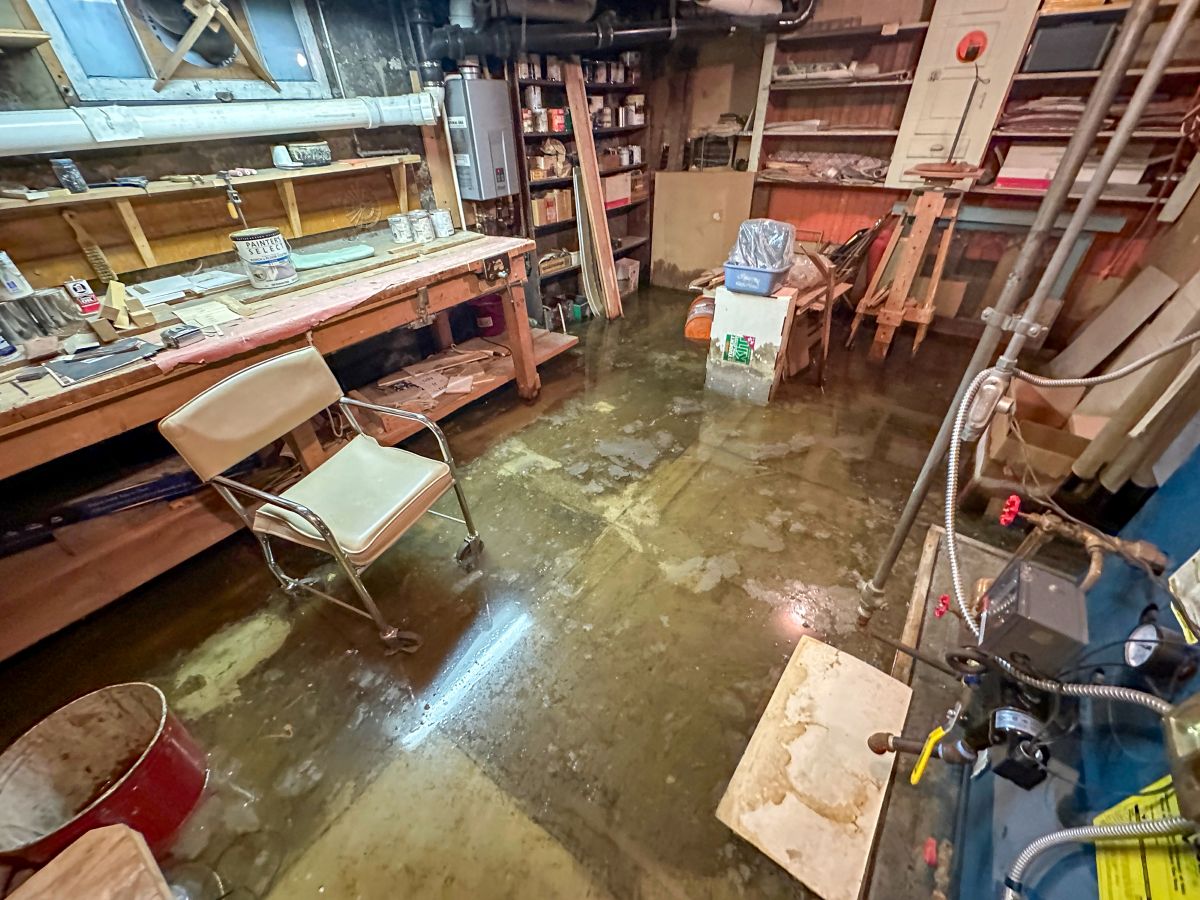
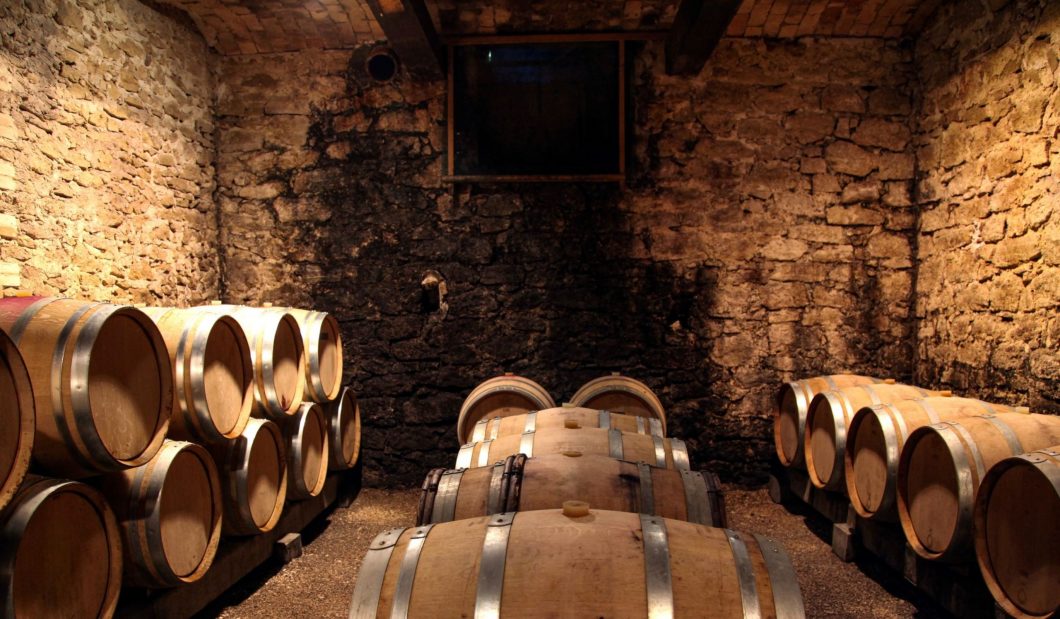
Older buildings were designed for a different era. Basements originally served practical, utilitarian purposes:
Wood storage
Coal storage
Coal-burning furnace or boiler
Food storage
Rainwater storage in concrete cisterns
They were not intended as secondary living spaces, and waterproofing was rarely a consideration.
Construction practices prior to the first Ontario Building Code in January 1976 relied heavily on the architect and contractor’s expertise, the materials available, and the technology of the time. Innovations in construction materials over the years have improved water resistance, but older structures still rely on the craftsmanship of their era.
Soil Grading and External Factors
Even though older buildings were initially well-sited for rainwater runoff, changes in the surrounding landscape can create water problems. Roadwork, new construction, landscaping, and parking lots often displace soil around historic buildings, changing the grading and directing water toward the foundation.
It is not uncommon for a home from the early 1900s to have two feet or more of new soil around the foundation, which can significantly increase water pressure against basement walls.
Common Materials in Older Foundations
Older homes often feature foundations made of:
Fieldstone – Held together with cement grout, which can degrade with prolonged water exposure.
Limestone – Contains calcium bicarbonate that reacts with groundwater, leading to natural deterioration over time.
Brick – Can show efflorescence, a white powdery substance caused by water and soluble salts moving through the wall.
Cinder block and concrete block – More stable than earlier materials but still vulnerable to leaks if mortar degrades.
Some older foundations lack footings that extend at the base of the walls, making exterior waterproofing more challenging.
Tip: Spotting efflorescence on walls is an early warning sign of water infiltration and potential structural issues. Learn more about efflorescence in our Resource Articles.
Hidden Dangers of Water Damage in Historic Buildings
A wet basement or leaky foundation in an older building poses serious risks:
Structural Weakening – Water can erode mortar, grout, or stone over time, compromising the stability of your walls.
Mould and Mildew – Damp basements provide an ideal environment for mold growth, affecting air quality and health.
Damage to Historic Materials – Original wood, plaster, and stonework can rot or degrade, reducing the historical integrity of your home.
Electrical Hazards – Water near old wiring or outlets can create fire risks.
Decreased Property Value – Persistent moisture problems can make your property less desirable to buyers.
How a Drainage Contractor Waterproofs an Older Building
Proper waterproofing of historic foundations requires expertise and care to preserve the building’s character. An experienced contractor may use the following strategies:
Carefully dig trenches around the foundation to maintain structural integrity
Apply exterior weather barriers and sheathing to prevent moisture intrusion
Install new weeping tile systems to redirect water away from the foundation
Set up French drains where necessary
Install a sump pump to remove accumulated water
Regrade the surrounding soil to optimize runoff
Inspect and adjust downspouts to ensure proper water flow
Pour new basement floors with proper vapor barriers
Apply special sealants on existing floors to prevent moisture penetration
At BEST Plumbing and Drainage Contractors, our approach combines preservation with modern technology, ensuring your historic building stays dry without compromising its heritage.
Special Considerations for Different Foundation Types
Fieldstone walls: Check and repair grout to prevent water intrusion.
Limestone foundations: Monitor for chemical erosion from groundwater.
Brick walls: Address efflorescence and reinforce mortar.
Concrete block walls: Repair cracks and reinforce where necessary to prevent leaks.
Older buildings often require more time and expertise because original components are thicker and less standardized than modern materials. Our team evaluates the condition of your foundation and creates a tailored waterproofing plan.
Prevention and Maintenance
Preventive measures are critical to keeping older basements dry:
Regular inspections of drains & sewers to ensure proper flow
Checking plumbing for leaks or aging pipes
Maintaining wet basements systems including sump pumps, window wells, and floor drains
Seasonal grading and landscaping adjustments to redirect runoff
Ongoing maintenance reduces risk and preserves both the structural integrity and historical charm of your property.
FAQs About Waterproofing Older Buildings
Q1: Can older foundations be waterproofed without damaging the historic character?
Yes. Skilled contractors like BEST use careful excavation, targeted sealants, and discreet drainage solutions to preserve your building’s appearance.
Q2: How do I know if my basement is at risk?
Look for signs such as efflorescence, damp or musty smells, water stains on walls, and pooling near your foundation.
Q3: What’s the difference between waterproofing older vs. modern buildings?
Older buildings often use materials like fieldstone, limestone, and brick, which require specialized repairs and protection strategies, unlike standard poured concrete foundations in newer structures.
Q4: How often should I check drainage systems?
Annual inspections, particularly before winter, help prevent water accumulation and structural damage.
Q5: What modern systems are compatible with historic homes?
French drains, sump pumps, vapor barriers, and exterior weatherproofing membranes can be installed carefully to avoid altering the building’s character.
Why Choose BEST Plumbing and Drainage Contractors
Since 1986, BEST Plumbing and Drainage Contractors has proudly served London, Ontario and surrounding areas. Our team combines decades of experience with specialized knowledge in wet basements, drainage, and waterproofing older structures.
We ensure that:
Historic character is preserved
Foundations remain structurally sound
Moisture problems are resolved permanently
Don’t risk the integrity of your older building. Contact BEST Plumbing and Drainage Contractors today at (519) 438‑6565 for professional waterproofing and drainage solutions.