
What to Do When You Have a Sewer Backup: A Homeowner’s Emergency Guide
A sewer backup is one of the most stressful—and hazardous—plumbing emergencies a homeowner can face. Raw sewage entering your home brings not only unpleasant odours and property damage but also serious health risks caused by bacteria, viruses, and toxic gases. The key to protecting your home and family is knowing what to do immediately, what NOT to do, and when to call in professionals like BEST Plumbing & Drainage Contractors.
This comprehensive emergency guide walks you through the right steps, common causes, prevention tips, and why professional intervention is essential.
What Is a Sewer Backup?
A sewer backup occurs when wastewater can’t flow properly through your home’s drainage system and reverses back into sinks, tubs, floor drains, or toilets. This can happen anywhere in the home where drainage lines exist.
Backups shouldn’t be ignored—standing wastewater becomes more dangerous by the minute and can spread contamination through floors, walls, and personal belongings.
Step-by-Step: What to Do When You Have a Sewer Backup
1. Stop Water Use Immediately
Stop running water in all areas of your home. That means:
Don’t flush toilets
Don’t run taps
Don’t use showers or appliances like dishwashers or washing machines
Any water you run will add more wastewater to the already overwhelmed system.
2. Keep Family Members (and Pets) Away
Sewage contains bacteria such as E. coli, Salmonella, viruses, and chemical contaminants. Children, seniors, and pets are especially vulnerable.
Avoid the affected area until professionals assess the situation.
3. Turn Off Electricity if Water Levels Are High
If standing sewage water is near electrical outlets or appliances:
Turn off power from your breaker panel, NOT from individual switches
Avoid stepping into water that may be touching electrical sources
If unsure, wait for professionals—electrocution risk is real.
4. Protect Yourself With Safety Gear if You Need to Enter
If you must enter the area:
Wear rubber boots
Use gloves
Wear a mask
Avoid touching your face or skin
Even brief exposure to sewage can cause infection.
5. Identify the Source if Possible
If you can safely inspect the problem, look for:
Gurgling drains
Slow toilets
Water rising in basement floor drains
Wastewater backing up into showers or tubs
These clues can help your plumber quickly determine whether the issue is:
A main sewer line blockage
A stormwater backup
A collapsed or damaged pipe
Root intrusion
Grease or debris buildup
But never attempt to open the sewer line yourself—this can worsen the backup.
6. Call a Professional Plumber Immediately
A sewer backup is not a DIY project. Only trained technicians have the tools and experience to safely clear blockages and disinfect affected areas.
BEST Plumbing & Drainage Contractors provides:
Advanced camera inspections
High-pressure hydro jetting and jet vac
Root removal
Basement and crawlspace cleanup
Preventive maintenance plans
Fast professional service is essential to prevent further contamination and structural damage.
7. Document Damage for Insurance
Before cleanup begins:
Take photos
Record video
Note damaged belongings
Most insurance companies require this documentation, especially for basement backups.
8. Begin Ventilating and Drying the Area (After the Backup Stops)
Once the source is controlled:
Open windows
Run fans or dehumidifiers
Remove wet materials like carpets or cardboard
Standing water promotes mould growth within 24–48 hours.
What NOT to Do During a Sewer Backup
Avoid these common mistakes:
❌ Don’t use chemical drain cleaners
They rarely reach the main blockage and can corrode pipes.
❌ Don’t attempt to snake the line if you’re not trained
Homeowners often push debris deeper or damage the sewer line.
❌ Don’t ignore “small backups”
Slow drains or occasional basement water often signal a bigger problem—even a partial backup is dangerous.
❌ Don’t pump the water outside unless allowed
Environmental regulations in many municipalities prohibit dumping contaminated water.
Why Do Sewer Backups Happen? Common Causes Explained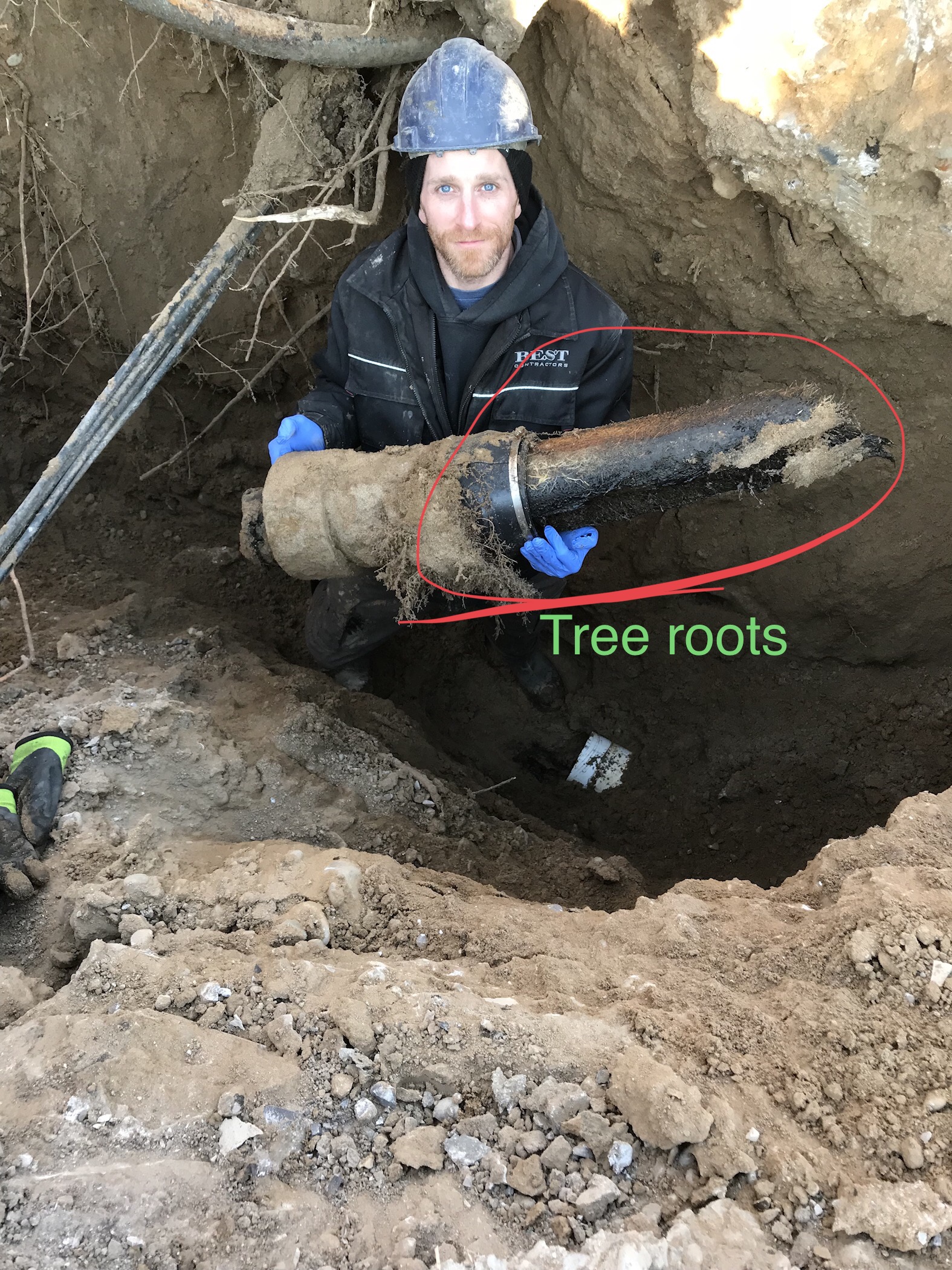
1. Tree Root Intrusion
Tree roots naturally seek moisture and can enter even tiny cracks in underground sewer lines.
2. Grease & Fat Buildup
Grease solidifies in pipes, creating thick blockages.
3. Collapsed or Aging Sewer Lines
Older clay or cast-iron pipes are prone to collapse or corrosion.
4. Heavy Rain or Snowmelt
Stormwater systems can overflow, pushing water back into home drains.
5. Foreign Objects or Non-Flushable Items
Common offenders:
Wipes (even “flushable” ones)
Paper towels
Feminine hygiene products
Hair buildup
- To learn more, read “17 Things You Should Never Flush in Your Toilet”.
6. Improperly Installed Plumbing
DIY installations often lead to poor slope or misaligned pipes, increasing backup risk.
How BEST Plumbing & Drainage Contractors Fix Sewer Backups
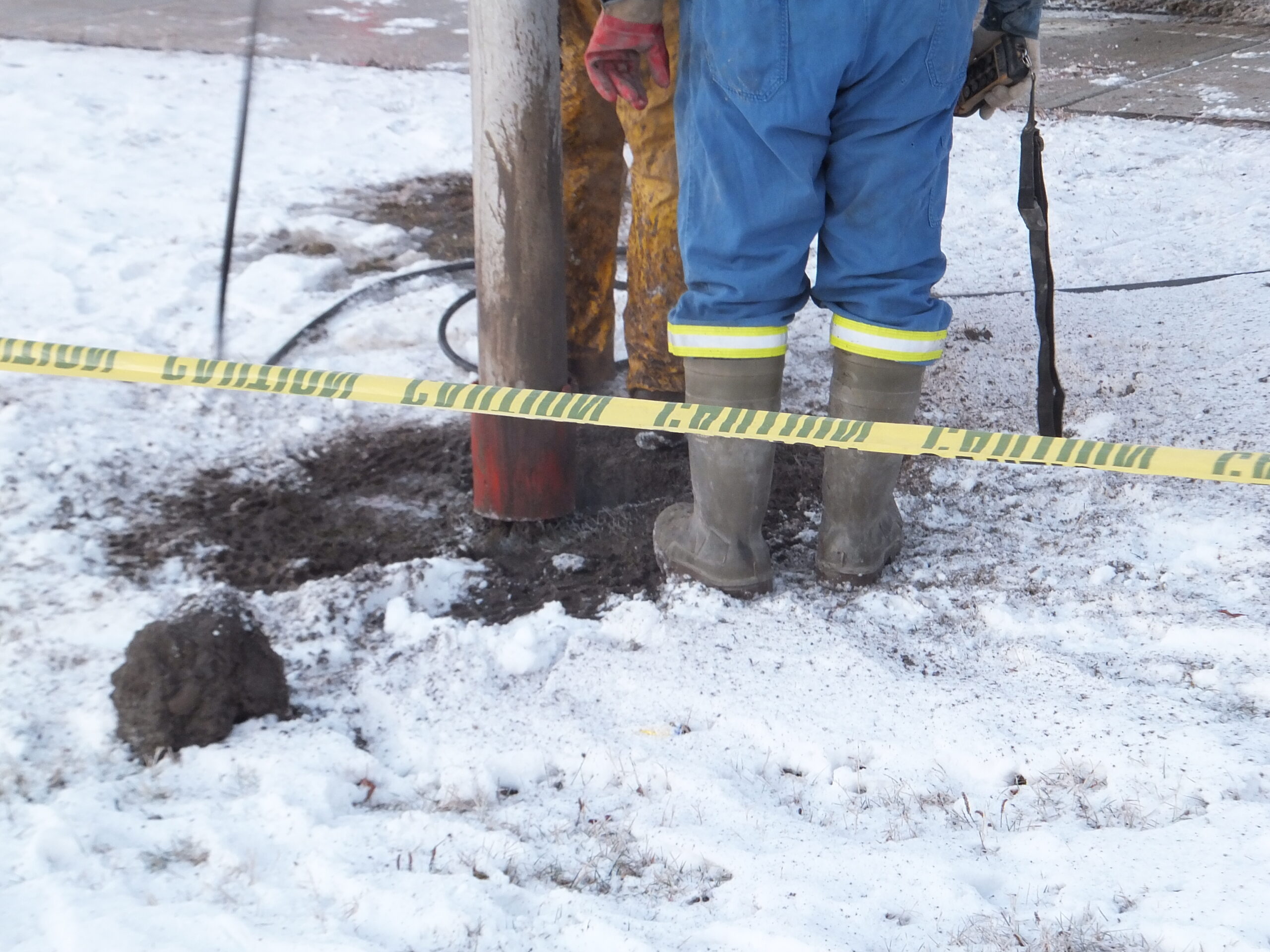
With over 50 years in the industry, BEST uses advanced diagnostic tools and proven repair methods.
✓ Video Camera Inspections
Pinpoint the exact location and cause of the blockage.
✓ High-Pressure Hydro Jetting
Clears grease, sludge, roots, and debris with intense water pressure.
✓ Root Removal & Line Repair
Safe extraction of intrusive roots and replacement of compromised pipes.
✓ Sewer Line Replacement (Trenchless Options Available)
Minimal disruption solutions for major pipe failures.
✓ Sanitization & Disinfection
Ensures your home is safe and free from contamination after cleanup.
✓ Emergency Response
Sewer backups rarely happen at convenient times. BEST’s 24/7 team is ready to act fast.
How to Prevent Future Sewer Backups
1. Schedule Annual Drain & Sewer Line Inspections
Treatment is helpful, but prevention saves money long-term.
2. Avoid Flushing Problem Materials
Stick to the basics: toilet paper only.
3. Install a Backwater Valve
Prevents the municipal sewer line from backing into your home.
4. Maintain Trees and Landscaping
Plant trees away from sewer lines and remove aggressive root systems.
5. Avoid Pouring Grease Down the Drain
Use a container to collect fats and oils instead.
6. Keep Gutters and Storm Drains Clear
Reduce water pressure around your foundation.
When to Call BEST Plumbing & Drainage Contractors
If you notice:
Repeat backups
Gurgling drains
Sewage odours
Water around basement floor drains
Slow sinks and tubs in multiple rooms
…it’s time to call in professionals.
BEST Plumbing & Drainage Contractors delivers fast, reliable, and safe solutions to protect your home and family—especially during winter and heavy rain seasons when backups are most common. If your sewer has backed up, call us now at (519) 438-6565.
FAQ: Sewer Backup Help
1. Is a sewer backup dangerous?
Yes. Sewage contains harmful bacteria and toxins that can lead to illness and property damage.
2. Who is responsible for sewer line repairs—homeowner or city?
Typically, homeowners are responsible for the sewer line from the house to the property line, but policies vary by municipality.
3. Will insurance cover sewer backup damage?
Some policies cover it if you have sewer backup or water damage add-ons. Check your home insurance details.
4. How fast should I call a plumber during a backup?
Immediately. Every minute sewage sits in your home increases health risks and cleanup costs.
5. Can I prevent a sewer backup?
Yes. Regular maintenance, drain cleaning, backwater valves, and responsible flushing habits all significantly reduce risk.