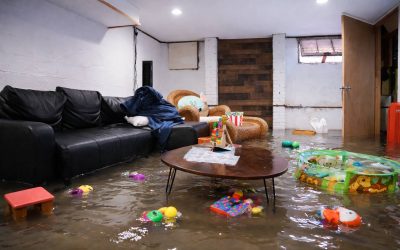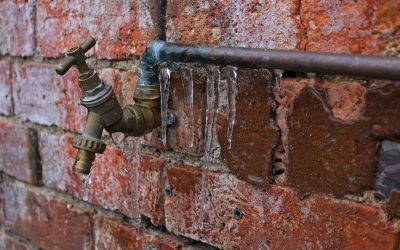
As winter persists through January, many homeowners experience repeated cycles of snow melting during the day and freezing at night. While this pattern might seem seasonal and normal, it triggers a perfect storm of drainage problems — from pooling water, ice buildup, and slippery surfaces to costly basement water damage and structural issues if left unaddressed.
BEST Plumbing and Drainage Contractors has more than 50 years of experience helping Southwestern Ontario homeowners manage seasonal water risks with smart drainage and waterproofing solutions. Whether you’re facing a “quiet melt” or rapid thaw, an expert drainage strategy now can save thousands in future repairs.
Let’s break down the challenges of winter melt-freeze cycles — and explain what you can do (and why professionals matter).
Why Snowmelt Can Be Worse Than a Heavy Rain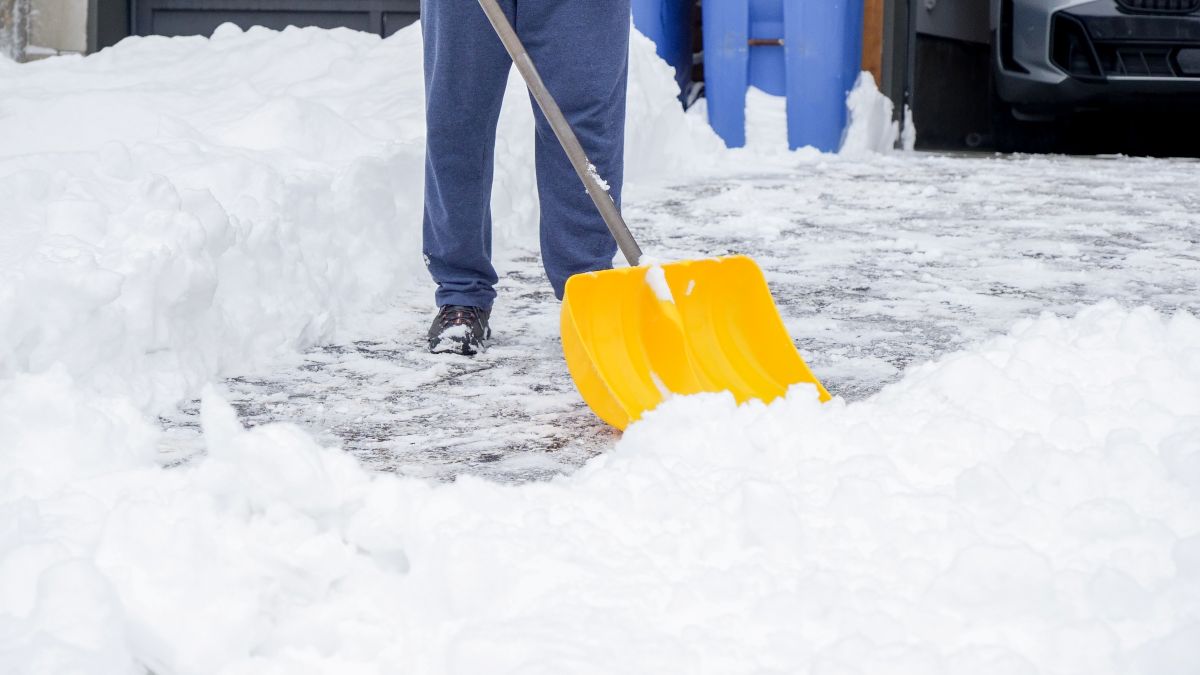
When daytime temperatures rise above freezing, snow begins to melt. But frozen ground and hard-packed ice mean that meltwater often has nowhere to go. Instead of soaking into soil like during a regular spring thaw, this excess water:
- Pools in low areas around your yard or foundation
- Causes surface flooding that refreezes overnight into hazardous ice patches
- Increases hydrostatic pressure pushing moisture against basement walls
This is especially true in January and early February when the ground is still deeply frozen. The result? Water accumulating where it shouldn’t — and serious problems if it gets into your home.
Surface Drainage Failures: It Starts Above Ground
One of the first places water troubles show up is on your property’s surface. During snowmelt:
Poor Grading Around Your Home
If your yard slopes toward the house, meltwater will naturally travel toward your foundation. This increases risk of seepage and basement leaks.
Clogged Gutters & Downspouts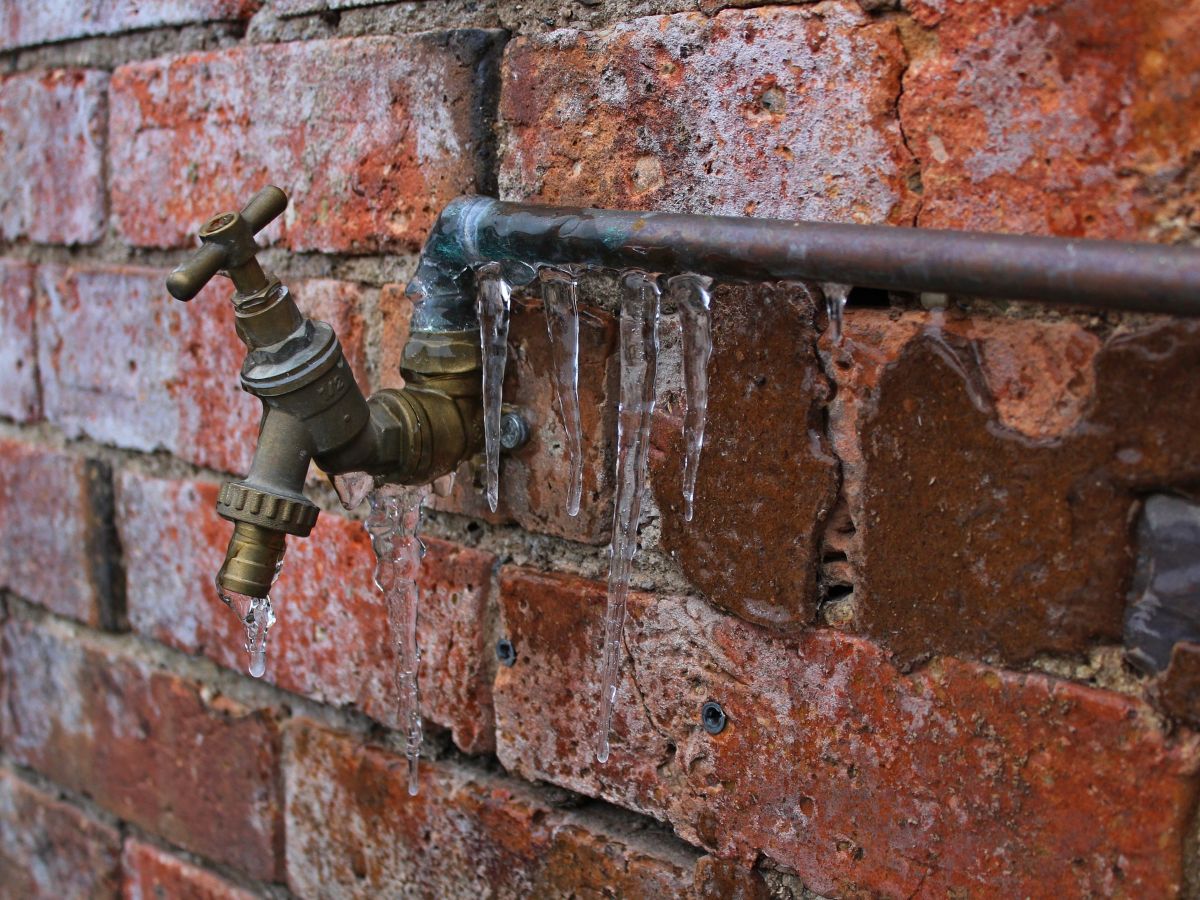
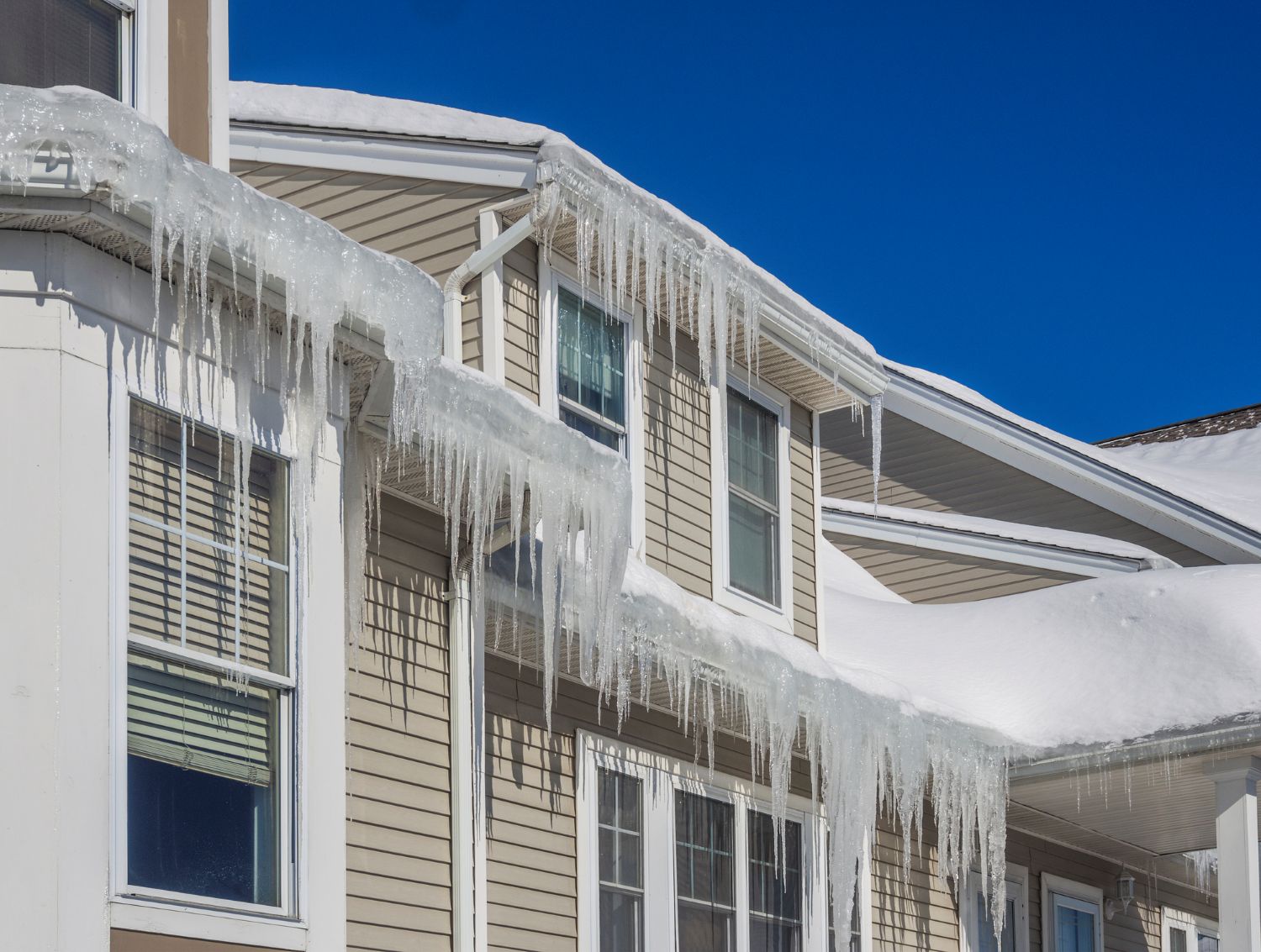
Ice and debris can block eavestroughs, causing meltwater to overflow and saturate soil near the foundation. Even water dripping down the wall can find its way into cracks.
If you want help understanding why your basement gets wet in winter, BEST has an in-depth blog that explains the hidden causes and solutions.
Frozen Downspout Extensions
Downspouts that are buried or blocked can’t discharge water properly — forcing it back toward your home. Correctly extended downspouts help move water well away from your foundation to prevent pooling.
Quick Tip: Make sure all gutters and downspouts are cleared of debris and ice before a thaw begins.
Sump Pump Risks During Winter Melt
Your sump pump is your last line of defense when water accumulates near your basement foundation. But in cold weather, the system is more vulnerable than many homeowners realize.
Here’s what can go wrong:
Frozen Discharge Lines
Water left in the outlet pipe can freeze, blocking flow and causing backups right when you need the sump most.
Continuous Cycling Due to Meltwater Load
Sudden snowmelt launches more water toward the basement than typical drainage systems are built for — and that keeps your pump working overtime.
To learn more about protecting your sump pump, BEST’s blog Will Your Sump Pump Freeze? provides targeted winter guidance for homeowners.
Why Basement Leaks Often Start in Winter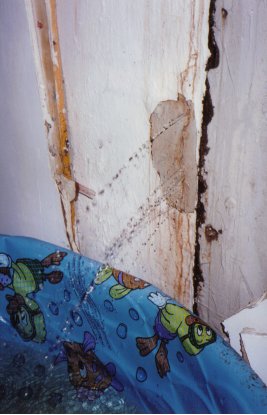
Once meltwater reaches your foundation, it doesn’t always stay outside. In fact, one of the most common winter problems homeowners face is unexpected water in the basement — even before spring arrives.
Common Winter Causes Include:
- Hydrostatic Pressure: Saturated soil pushes against walls, forcing water through tiny cracks.
- Cracks in Foundation Walls: Older or poorly sealed concrete can allow moisture to seep in.
- Blocked Window Well Drains: Ice buildup prevents water from draining, leading to seepage.
- Downspout Underground Clogs: Water backs up and travels laterally toward your home.
If you’re curious why your basement still gets wet during winter, BEST’s article Hidden Dangers: Why Your Basement Gets Wet in Winter — and How to Stop It provides excellent detail on diagnosis and solutions.
Professional Inspection Beats Guesswork
Drainage and basement issues often have multiple causes — and fixing only one symptom won’t guarantee long-term protection. Here’s how a professional approach makes a difference:
Full Property Assessment
A trained expert checks surface grading, foundation condition, gutter systems, downspout discharge, window wells, and sump pump readiness.
Comprehensive Solutions
BEST offers tailored strategies, including:
- Sump pump installation and backup systems
- Exterior drainage solutions like catch basins or French drains
- Interior waterproofing systems and wet-basement repairs
- Sewer camera inspections for hidden blockages
Ongoing Maintenance Plans
Because drainage issues evolve with weather and wear, periodic checks help you stay ahead of trouble.
If you’re wondering whether a wet basement is normal after weather events, BEST’s blog on basement flooding FAQs provides further homeowner answers.
Actionable Steps You Can Take Today
While professional help is invaluable — especially with fluctuating winter temperatures — here are practical precautions you can take right now:
Clear snow away from foundation edges so meltwater doesn’t pool.
Ensure gutters and downspouts are clear and extended away from the home.
Check the slope of your yard’s grading — water should run away from the structure.
Test your sump pump and backup power before major melt events.
Monitor for pooling water overnight and consider temporary diversion if needed.
These simple steps, especially in Ontario climates with frequent freeze–thaw cycles, can reduce stress on your drainage systems and prevent common winter issues.
When to Call BEST Plumbing and Drainage Contractors
If you notice any of the following, it’s time to call the pros:
- Standing water near your home after snowmelt
- Basement moisture or damp spots
- Continuous sump pump cycling
- Ice buildup near downspouts
- Gurgling or slow drains
BEST Plumbing and Drainage Contractors offers 24/7 support, deep expertise in winter drainage challenges, and customized solutions — from preventative maintenance to emergency water mitigation. With over 50 years serving London and Southwestern Ontario, BEST delivers reliable results and peace of mind.
Don’t wait for spring — protect your home now while winter conditions reveal your drainage vulnerabilities.