If you’ve ever wondered, “Should a sump pump stay plugged in all the time?” — the answer is simple: yes, it should.
Yes, a sump pump should stay plugged in at all times.
A sump pump must remain connected to power so it can automatically remove water from your sump pit when groundwater rises. If the pump is unplugged, it cannot activate during heavy rain or snowmelt, increasing the risk of basement flooding and water damage.
Your sump pump is one of the most important defenses against basement flooding, foundation damage, and mould growth. Keeping it plugged in ensures it can activate instantly when water levels rise — protecting your home or business from costly water damage.
As plumbing and drainage experts serving London, Ontario, and Southwestern Ontario, BEST Plumbing & Drainage Contractors is here to explain exactly why your sump pump should stay plugged in 24/7, how it works, and how to keep it performing at its best.
In this guide, you’ll learn:
Why your sump pump should always stay connected to power
The risks of unplugging it, even temporarily
Maintenance tips to keep it working efficiently
Expert advice from local plumbing professionals
Understanding the Role of a Sump Pump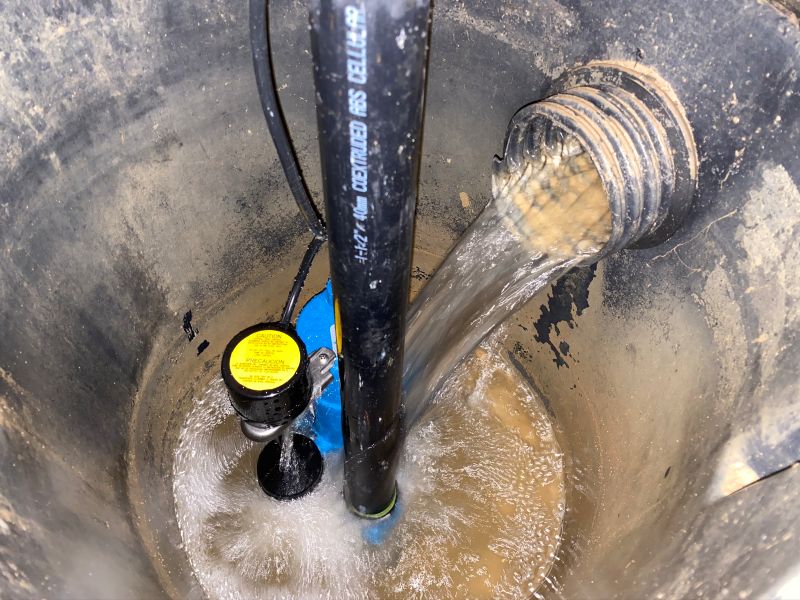
Before we dive into why it should stay plugged in, let’s quickly review what a sump pump does and why it’s vital to your property’s drainage system.
A sump pump removes groundwater from a sump pit to prevent basement flooding.
It automatically activates when water levels rise, pumping water away from your foundation through a discharge pipe. This process helps protect basements from flooding, reduces pressure on foundation walls, and prevents moisture-related issues like mould growth.
A drainage or sump pump is typically installed in a sump pit — a small, specially constructed basin at the lowest point of your basement or crawl space.
This pit collects excess groundwater or rainwater that seeps in from the surrounding soil.
Here’s how it works:
As water accumulates in the pit, a float switch rises with the water level.
Once it reaches a set height, the pump automatically activates.
Water is pushed through a discharge pipe and directed safely away from your home’s foundation.
This continuous cycle protects your basement from flooding and reduces hydrostatic pressure around your foundation.
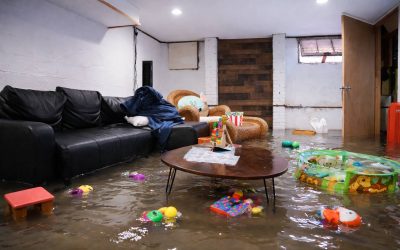
Without a working drainage pump, even a small storm can lead to basement flooding, water damage, foundation cracks, and potential mould infestations.
For more on flood prevention and basement waterproofing, the Government of Canada’s flood readiness guide offers useful tips for homeowners.
Should a Sump Pump Stay Plugged In All the Time?
Yes, a sump pump should stay plugged in 24/7.
Keeping your sump pump connected to power ensures it can automatically remove water from your basement when groundwater rises. Unplugging the pump prevents it from activating, which can quickly lead to flooding, foundation damage, and costly repairs.
Your pump should always remain plugged in and operational — even when it’s not actively running.
Water intrusion can happen suddenly due to:
Heavy rainfall
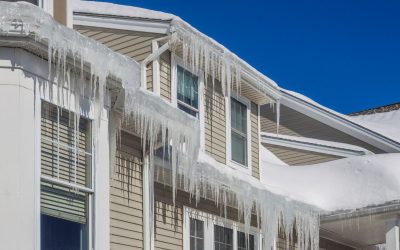
Rapid snowmelt
A rising water table
Nearby construction altering drainage patterns
Leaking plumbing systems
Unplugging your sump pump, even temporarily, can leave your home vulnerable to flooding.
Key Advantages of Keeping Your Sump Pump Plugged In
1. Continuous Flood Protection
Mother Nature is unpredictable. A sudden thunderstorm or burst pipe can send water rushing toward your foundation without warning.
A plugged-in sump pump provides 24/7 protection, automatically activating the moment it’s needed — even if you’re asleep or away from home.
If your area is prone to power outages, consider installing a battery backup sump pump system. This ensures your home remains protected during blackouts, one of the most common times flooding occurs.
A battery backup sump pump keeps your system running during power outages.
When electricity fails, the backup system automatically activates using stored battery power. This ensures your basement remains protected during storms or blackouts — when flooding risk is often highest.
2. Prevents Costly Structural Damage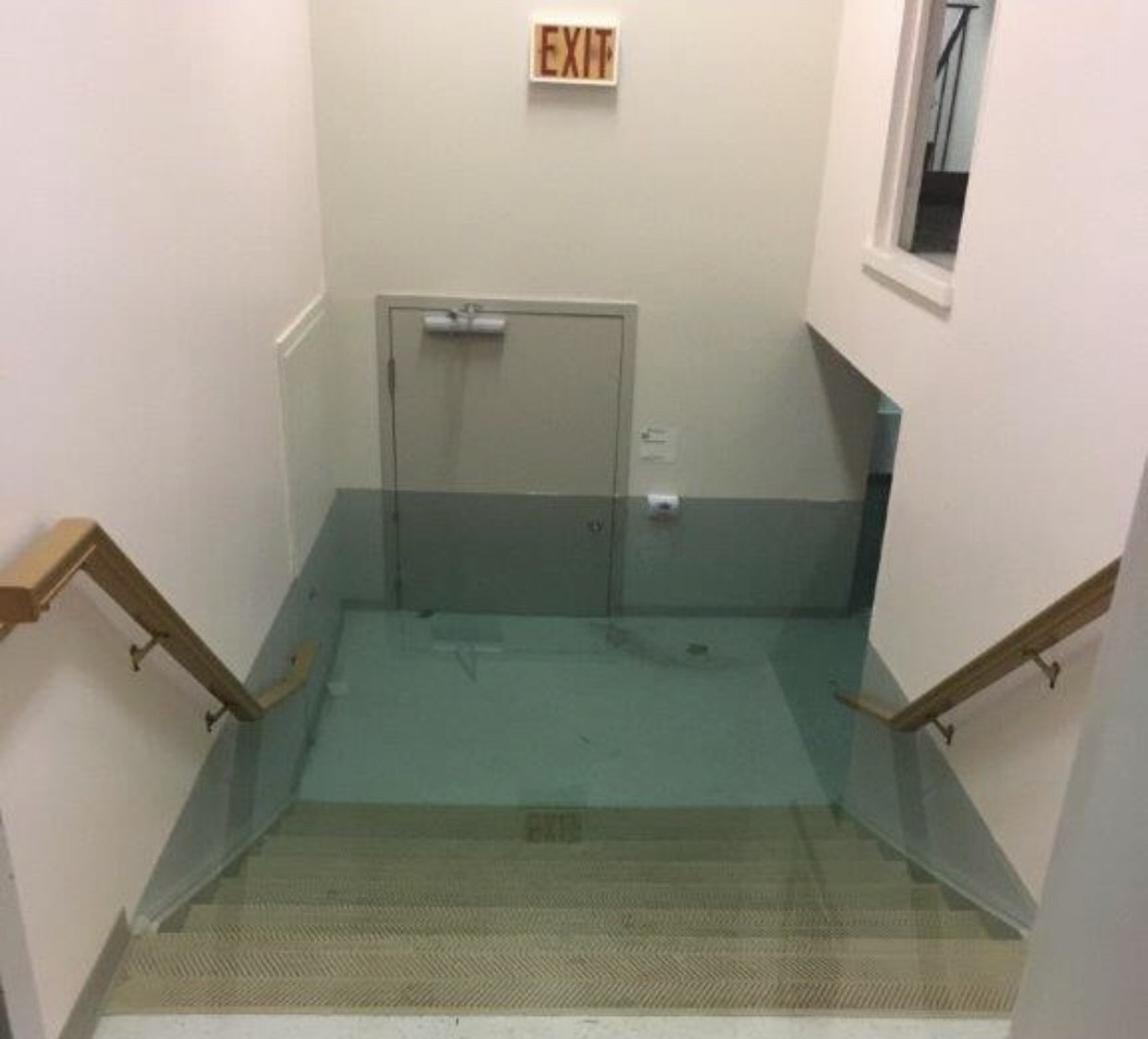
Water is one of your foundation’s biggest enemies.
When groundwater pressure builds up around your home or business, it can cause cracks in concrete, shifting walls, and other long-term structural issues.
By keeping your sump pump active, you help:
Reduce hydrostatic pressure
Prevent foundation deterioration
Preserve the stability of your home’s structure
These proactive measures save thousands in potential repair costs down the road.
3. Protects Against Mould and Mildew
Basement moisture can lead to mould growth within 24 to 48 hours.
A working sump pump helps keep your basement dry by removing excess groundwater before it accumulates. This reduces humidity and helps prevent mould, mildew, and bacteria from developing in walls, flooring, and stored belongings.
Even minor moisture buildup can lead to mould growth within 24 to 48 hours. Mould spores can spread through your home’s air system, causing health problems and unpleasant odours.
A working sump pump keeps your basement dry, reducing humidity and preventing mould, mildew, and bacteria from taking hold.
4. Protects Your Belongings and Home Value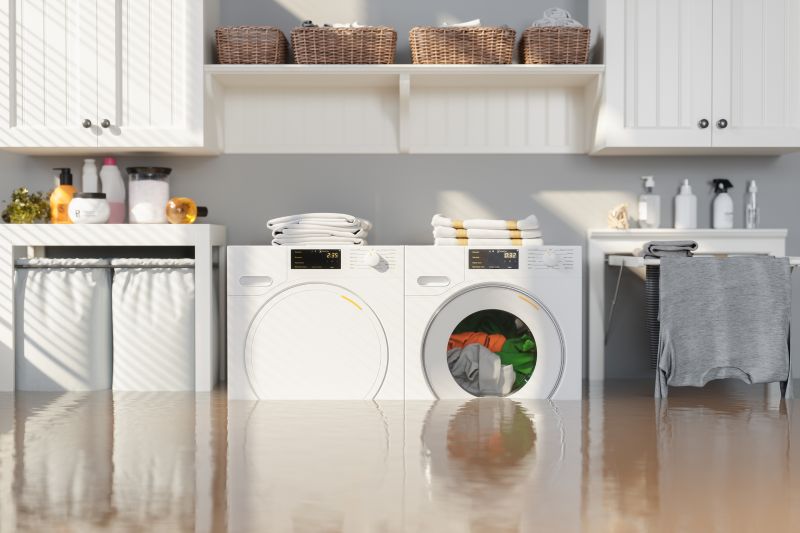
Finished basements often hold valuable furniture, electronics, or family keepsakes.
Flooding can destroy these in moments — and even insurance might not cover everything.
A reliable, powered sump pump protects your investments and preserves your home’s resale value by keeping your basement safe, dry, and usable.
5. Peace of Mind
Few things compare to the comfort of knowing your home is protected.
By keeping your sump pump plugged in, you gain peace of mind that your property is guarded against the unexpected — whether you’re home or away.
Essential Sump Pump Maintenance Tips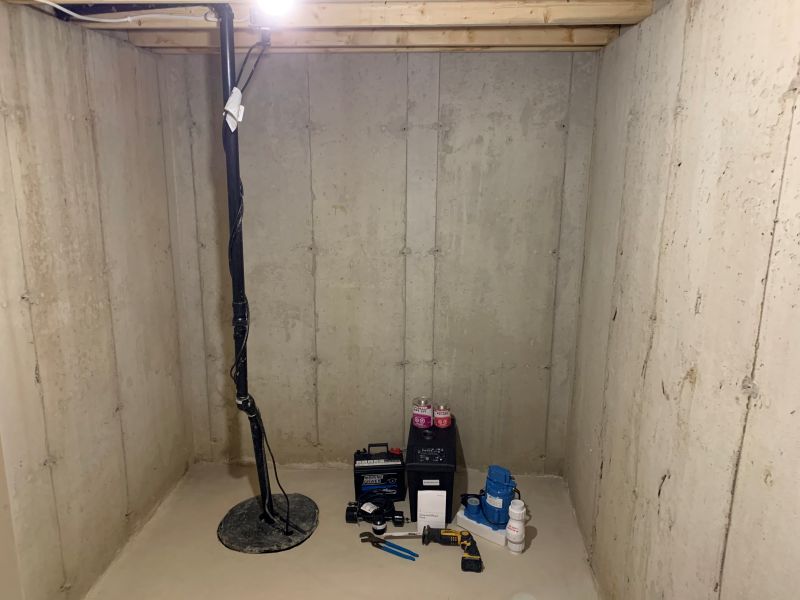
A sump pump that stays plugged in still needs regular maintenance to operate efficiently. Neglect can lead to clogging, motor burnout, or total system failure — often when you need it most.
Sump pumps should be tested and inspected at least twice per year.
Regular testing ensures the float switch, motor, and discharge line are working properly before heavy rain or snowmelt seasons. Routine maintenance helps prevent unexpected pump failure and extends the lifespan of your drainage system.
Follow these maintenance steps to keep your pump in peak condition:
1. Clean the Sump Pit
Inspect and clean your sump pit regularly. Remove dirt, gravel, and debris that might obstruct the pump or interfere with the float switch.
2. Test the Pump Twice a Year
Pour a bucket of water into the pit to confirm the pump activates and drains properly. Ideally, do this in the spring and fall, before heavy rain or snowmelt seasons.
3. Check the Discharge Line
Ensure the discharge pipe is clear of blockages, ice, or obstructions that could restrict water flow. Direct the outlet several feet away from your foundation.
4. Inspect the Power Source
Keep the sump pump plugged into a dedicated GFCI outlet. If you experience frequent tripped circuits, have a professional inspect the wiring for safety and reliability.
5. Maintain the Backup Battery
If you have a battery backup system, replace the battery every 2–3 years, or as recommended by the manufacturer. Test it periodically to ensure it activates during outages.
What Happens If You Unplug Your Sump Pump?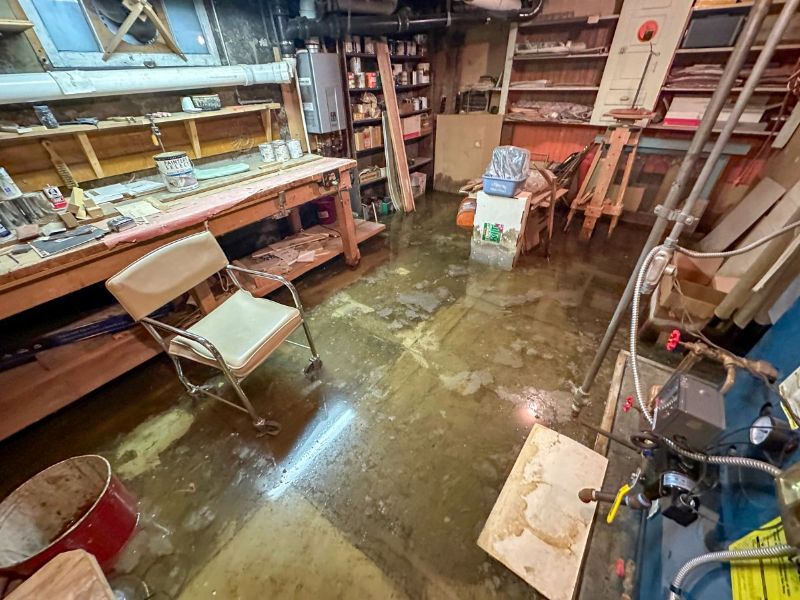
If a sump pump is unplugged, it cannot remove water from your basement.
When groundwater enters the sump pit during rain or snowmelt, the pump will not activate. This can quickly lead to basement flooding, property damage, mould growth, and expensive structural repairs.
Unplugging your sump pump can have serious consequences, including:
Sudden flooding during heavy rain or plumbing leaks
Costly repairs for flooring, drywall, and personal belongings
Mould infestations from lingering moisture
Structural weakening of your foundation over time
Even a short period of disconnection can lead to hundreds or thousands in damage. Keep it plugged in — always.
When to Call a Professional
If your sump pump runs constantly, makes unusual noises, or fails to activate, it’s time to call a licensed drainage contractor. Delaying repairs can worsen water intrusion problems and reduce the lifespan of your system.
At BEST Plumbing & Drainage Contractors, we provide:
Sump pump installation and replacement
System inspections and maintenance
Battery backup installations
Our experienced team helps homeowners and businesses across London and Southwestern Ontario keep their properties dry, safe, and structurally sound.
FAQs About Sump Pumps
1. Can I unplug my sump pump when it’s dry?
No. Even if your basement seems dry, groundwater levels can change quickly. Keep it plugged in at all times for continuous protection.
2. What type of outlet should a sump pump use?
A sump pump should be plugged into a dedicated GFCI outlet to prevent electrical hazards and tripped circuits.
3. What if my sump pump runs even without rain?
This could indicate a high water table, a stuck float switch, or a malfunctioning check valve. A professional inspection can identify and fix the problem.
4. How long do sump pumps last?
Most last 7–10 years with proper maintenance. If yours is older or showing signs of failure, consider scheduling a replacement before problems arise.
5. Should I have a backup sump pump?
Yes — especially if your area experiences power outages. A battery or water-powered backup ensures continuous protection when the main pump fails.
For additional homeowner advice on preventing water damage, see the Insurance Bureau of Canada’s flood prevention resources.
Looking for more expert answers?
Check out our full Wet Basement FAQ guide to learn how to identify, prevent, and fix basement water problems before they cause serious damage.
Protect Your Home with BEST Plumbing & Drainage Contractors
At BEST Plumbing & Drainage Contractors, we’ve been helping homeowners and businesses in London, Ontario, and across Southwestern Ontario protect their properties from water damage for over 50 years.
Our team specializes in:
Professional sump pump installation, maintenance, and repair
Foundation waterproofing and drainage system design
Comprehensive plumbing and flood prevention solutions
We combine proven expertise, high-quality workmanship, and trusted service to deliver long-lasting results — every time.
Don’t wait until it’s too late. Keep your sump pump plugged in, maintained, and ready to perform.
If you suspect issues or want to upgrade your drainage protection, call BEST Plumbing & Drainage Contractors today at (519) 438-6565 or request a quote online.
Protect your home. Protect your peace of mind. Choose BEST — because when it comes to plumbing and drainage, only the BEST will do.