Signs Your Sewer Line Is Blocked (and What Causes It)
It usually starts small. A drain that’s a little slow. A gurgle from the toilet when the washing machine empties. Then one day, water comes up through the basement floor drain, and it isn’t clean water.
A blocked sewer line is one of the messiest problems a home can have. The good news? It almost always gives you warning signs first. If you know what to look for, you can catch it before it turns into a flooded basement and a big repair bill.
Here’s how to tell if your sewer line is blocked, what causes it, and what to do next.
Quick Answer: The most common signs of a blocked sewer line are water backing up into floor drains, tubs, or showers; several drains running slowly at once; gurgling toilets; and sewage smells in the basement. If more than one fixture is affected, the clog is likely in your main sewer line. Stop using water and call a licensed drain contractor for a camera inspection.
One Slow Drain or a Sewer Line Problem? Here’s How to Tell
Not every clog is a sewer problem. A single slow sink is usually a local clog, often hair, soap, or food stuck in that one drain.
A sewer line clog is different. Your main sewer line is the one big pipe that carries everything from your toilets, sinks, showers, and laundry out to the city sewer under the street. When it gets blocked, the whole house feels it.
Here’s a simple test. Flush a toilet or run water in an upstairs tub, then watch your lowest drain, which is usually the basement floor drain. If water rises there, or other fixtures start to gurgle, the problem is likely in the main line.
Ask yourself:
- Is more than one fixture slow or backing up?
- Does water show up in the lowest drain when you use a fixture upstairs?
- Do things get worse when the washing machine or dishwasher drains?
If you answered yes to any of these, you’re probably dealing with a sewer line blockage, not a simple clog.
6 Signs Your Sewer Line Is Blocked
1. Water Backing Up Into Floor Drains, Tubs, or Showers
This is the most obvious sign, and the most urgent. Wastewater has to go somewhere. When the sewer line is blocked, it comes back up through the lowest opening in your home. That’s usually the basement floor drain, a basement shower, or a lower-level toilet.
Sewage backup isn’t just unpleasant. It carries bacteria, and it can ruin flooring, drywall, and anything stored in your basement. Don’t wait on this one. Call for 24/7 emergency service.
2. Several Drains Are Slow at the Same Time
One slow drain is a nuisance. Slow drains all over the house point to a problem further down the line. If your kitchen sink, bathtub, and toilets are all sluggish, the blockage is likely in the main pipe they share. Partial blockages tend to get worse, not better.
3. Gurgling Toilets and Drains
Healthy drains are fairly quiet. Gurgling happens when air gets trapped behind a partial blockage and forces its way back up through the water. You might hear it in the toilet when you run the bathroom sink, or in the tub when the washing machine drains.
Think of gurgling as an early warning. It’s often the first sign, and the easiest point to fix things.
4. Sewage Smells in the Basement or Yard
A rotten-egg or sewage smell near your floor drains often means waste is sitting in the line instead of flowing away. You may notice it outside too, near where the pipe leaves your house. A cracked pipe can let sewer gas escape into the soil, and that smell can find its way back inside.
5. Toilets Act Up When Other Fixtures Drain
Keep an eye on your toilets. If the water level rises, drops, or bubbles when you run the shower or the washing machine, that water is trying to get past a blockage. It’s being pushed toward the next easiest way out.
6. Soggy Patches or Extra-Green Grass in the Yard
Sometimes the clue is outside. A blocked or broken sewer pipe can leak into the soil around it. Look for wet spots that never dry out, a sunken strip of lawn, or a patch of grass that’s suddenly greener than the rest, along the path between your house and the street.
What to Do If You Think Your Sewer Line Is Blocked
Act quickly, but don’t panic. Here’s what to do right away:
- Stop using water. Don’t flush, shower, or run the dishwasher or washing machine. Every litre you send down the drain has nowhere to go but back into your basement.
- Keep people and pets away from any backed-up water. Treat it as contaminated.
- Skip the chemical drain cleaners. They rarely reach a main line clog, they can damage older pipes, and they make the job more dangerous for whoever clears the line.
- Find your cleanout. In many homes, it’s a capped pipe in the basement floor near the front wall, where the sewer line leaves the house. Don’t open it if the line is full. Just know where it is so your contractor can get to it fast.
- Call a licensed drain contractor. Sewer blockages need professional tools. BEST offers 24/7 emergency service across London and Southwestern Ontario.
- If there’s water damage, take photos before cleanup starts and call your insurance company.
Who’s Responsible for a Blocked Sewer Line in London, Ontario?
This one surprises a lot of homeowners. According to the City of London, the homeowner is responsible for the entire sewer pipe running from the house to the City’s main under the road. That includes the section under the boulevard. The City is responsible for the main sewer pipe in the street.
If your basement is flooding, you can call the City at 519-661-4570 on weekdays or 519-661-4965 after hours. They’ll check whether the City’s main is working properly, at no cost to you. If the main is the problem, the City fixes it.
If the main is fine, the blockage is in your line, and you’ll need a qualified drain contractor. A camera inspection will show exactly where the problem is and what’s causing it.
Tip: If your neighbours are having backups at the same time, mention it when you call the City. It can point to a problem in the street rather than in your own pipe.
What Causes a Sewer Line to Block?
Flushing the Wrong Things
Your sewer line is built for three things: water, human waste, and toilet paper. Everything else causes trouble. Common culprits include:
- Baby wipes, cleaning wipes, and “flushable” wipes
- Paper towels and facial tissues
- Tampons, pads, and other menstrual products
- Cotton swabs, cotton balls, and dental floss
- Diapers and cat litter
A quick note on “flushable” wipes: the term isn’t regulated. The City of London recommends flushing only wipes that carry the seal of the International Water Services Flushability Group (IWSFG). No seal? It goes in the garbage.
Grease, Fats, and Oils
Grease goes down the drain as a warm liquid. As it cools, it hardens into a thick, sticky layer that catches everything else. Over months and years, that layer can close off a pipe almost completely.
Let grease cool, then scrape it into your Green Bin or the garbage. London residents can pick up free FOG (fats, oils, and grease) cups at City EnviroDepots and London Public Library branches.
Tree Roots
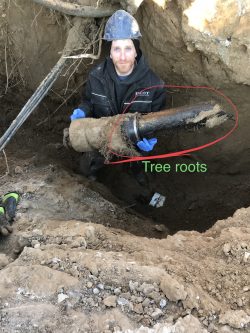
Roots go looking for water, and a sewer pipe is full of it. They slip in through tiny cracks or loose joints, then grow into dense mats that trap waste. Older clay and concrete pipes are especially at risk.
Roots usually grow back after they’re cut. A camera inspection helps you decide whether the pipe needs repair, not just clearing.
Old, Cracked, or Collapsed Pipes
Sewer pipes don’t last forever. Over time, they can crack, shift, sag, or collapse. A sag, sometimes called a belly, lets waste collect in a low spot. A collapse can stop flow completely. If your home is several decades old and the clogs keep coming back, the pipe itself may be the problem.
Rainwater in the Sanitary Sewer
Your sanitary sewer is meant for wastewater, not rain. But many older homes have weeping tiles, downspouts, or sump pumps connected to it. The City of London estimates that about 50,000 local homes have weeping tiles tied directly into the sanitary sewer.
During heavy rain, all that extra water can overload the system and push sewage back into basements. Disconnecting these connections is one of the best ways to protect your home. The City’s Basement Flooding Grant Program can help with the cost.
How BEST Finds and Fixes a Sewer Blockage
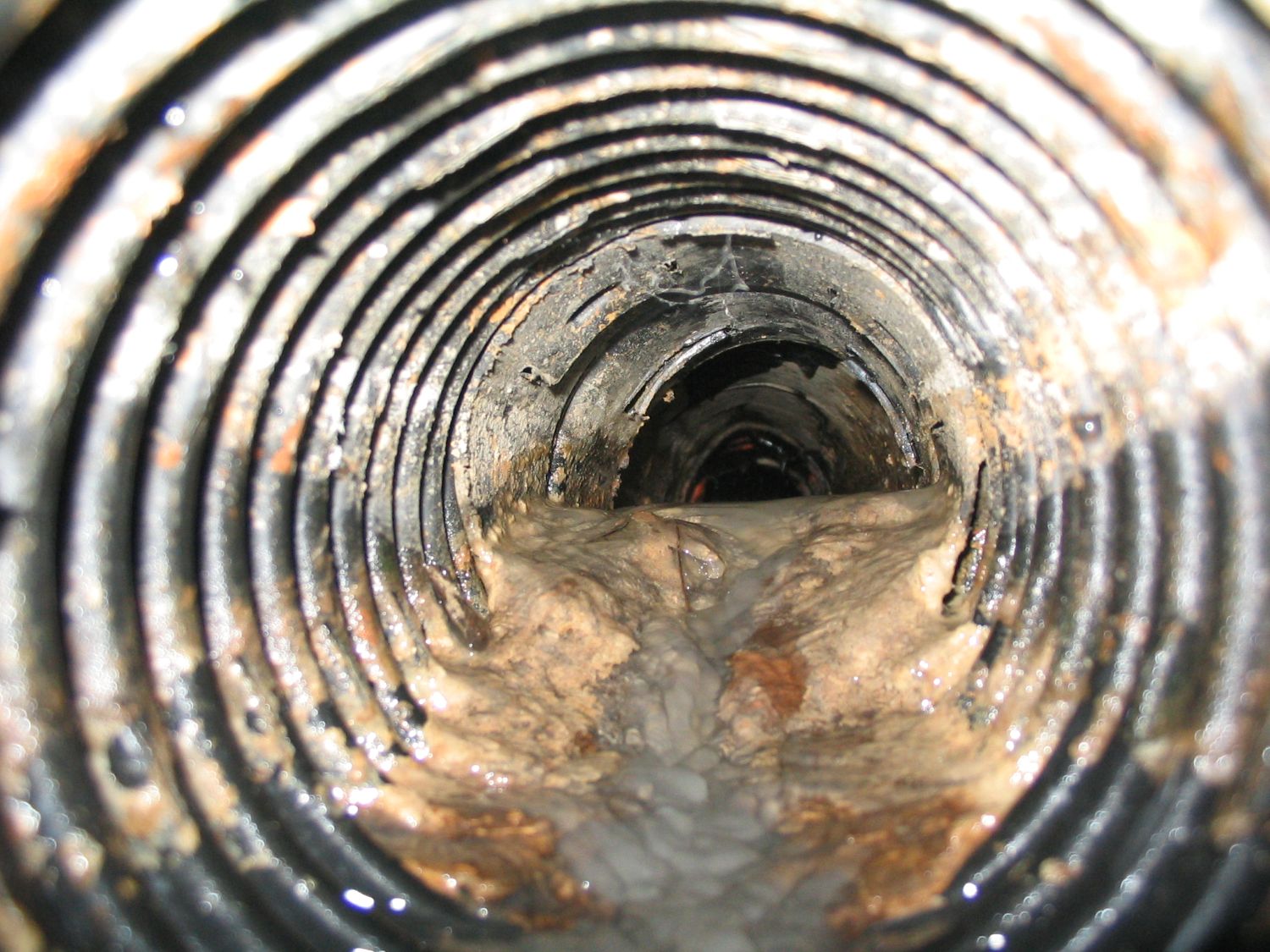
We don’t guess. Every sewer call starts with finding the real cause.
- Camera inspection. We feed a high-resolution video camera through your line to see exactly what’s blocking it and where.
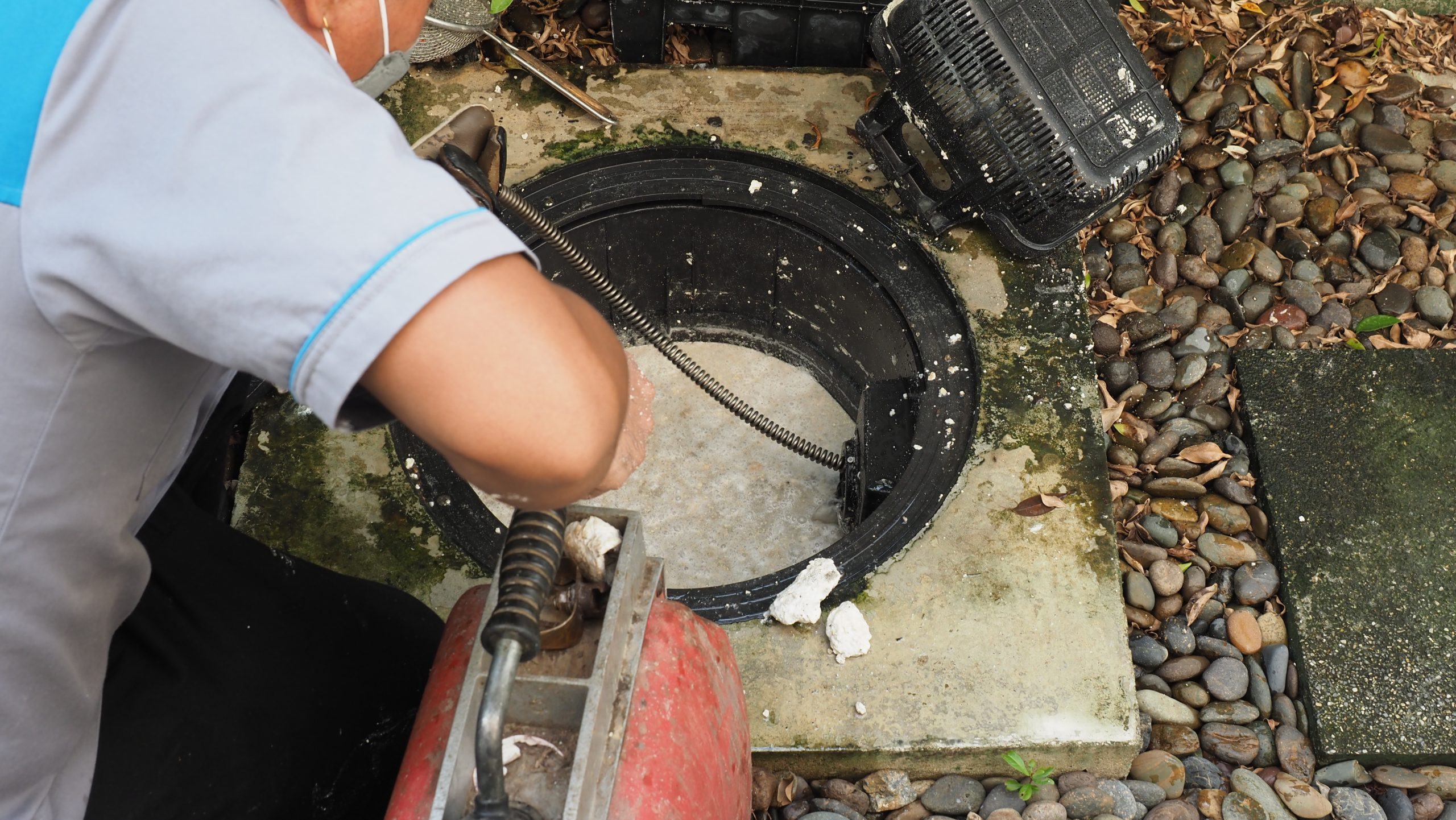
- Clearing the line. Depending on what we find, we use a sewer auger or high-pressure water jetting to clear roots, grease, and debris without damaging the pipe.
- Repair or replacement. If the pipe is cracked, sagging, or collapsed, we’ll show you the footage and walk you through your options.
- Prevention. We can install a backwater valve to help stop sewage from flowing back into your basement, and help you find out if you qualify for the City’s grant.
Learn more about our drain and sewer services and professional drain cleaning.
How to Prevent Sewer Line Blockages
A few simple habits go a long way:
- Flush only toilet paper and human waste.
- Keep grease, fats, and oils out of every drain.
- Use drain screens in sinks, tubs, and showers.
- Know where your cleanout is before you need it.
- Book a camera inspection if your home is older, has large trees near the sewer line, or you’re buying a house.
- Disconnect downspouts and weeping tiles from the sanitary sewer.
- Install a backwater valve, especially if your basement has flooded before.
Think Your Sewer Line Is Blocked? Call BEST
BEST Plumbing and Drainage Contractors has been clearing drains and sewers in London and Southwestern Ontario since 1972. If you’re seeing any of the signs above, don’t wait for a full backup. Call us 24/7 at 519-438-6565 or request a quote online.
Frequently Asked Questions About Blocked Sewer Lines
What are the first signs of a blocked sewer line?
Gurgling toilets and drains are usually the first sign. After that, you may notice several drains slowing down at once, toilets bubbling when other fixtures run, and a sewage smell near the basement floor drain. Water coming up through the floor drain means the blockage has become serious.
How do I know if the clog is in my main sewer line or just one drain?
If only one sink or tub is slow, it's probably a local clog. If several fixtures are slow, or water appears in your basement floor drain when you flush a toilet or run a tap upstairs, the problem is most likely in the main sewer line.
Can a blocked sewer line clear itself?
Not usually. A partial blockage can let water trickle through for a while, but grease, wipes, and roots keep catching more debris. Most sewer clogs get worse over time until they back up completely.
Should I use a chemical drain cleaner on a sewer clog?
No. Chemical drain cleaners rarely reach a main line blockage. They can damage older pipes, and they leave harsh chemicals sitting in the line for whoever has to clear it. A professional auger or water jetting is safer and far more effective.
Who pays to fix a blocked sewer line in London, Ontario?
In London, the homeowner is responsible for the whole sewer pipe from the house to the City's main under the road. The City is responsible for the main itself. If your basement is flooding, the City will check the main at no cost. If the main is working, the blockage is in your line and you'll need a drain contractor.
Does home insurance cover sewer backups?
It depends on your policy. Many policies only cover sewer backup if you've added it as extra coverage. Call your insurance company, take photos before any cleanup, and keep receipts for the work.
How do plumbers find a sewer line blockage?
Most drain contractors use a waterproof video camera. It's fed through the cleanout and into the sewer line, so the technician can see exactly what's causing the blockage, whether it's roots, grease, a collapsed section, or something that was flushed.
How long does it take to clear a blocked sewer line?
Many blockages are cleared in a single visit. Tree roots, heavy grease, or a damaged pipe can take longer, especially if part of the line needs to be repaired or replaced.
Can tree roots really get into sewer pipes?
Yes. Roots are drawn to the moisture inside sewer pipes. They slip in through small cracks or loose joints and grow into thick mats that trap waste. Older clay and concrete pipes are the most likely to have root problems.
How can I stop sewage from backing up into my basement?
Keep wipes and grease out of your drains, disconnect weeping tiles and downspouts from the sanitary sewer, and install a backwater valve. In London, the City's Basement Flooding Grant Program can help with the cost of these upgrades.