Is It Better to Fix a Wet Basement from the Inside or Outside?
Water on the basement floor after a big rain. A damp patch that never quite dries. That musty smell you can’t get rid of. If any of this sounds familiar, you’re probably wondering how to fix it for good.
There are two main ways to deal with a wet basement. You can manage the water once it gets inside, or you can stop it from getting in at all. Both work. But they solve different problems, cost different amounts, and last for different lengths of time.
Here’s how to tell which one makes sense for your home.
Quick Answer
Fixing a wet basement from the outside (exterior waterproofing) is usually the better long-term solution, because it stops water at the source before it reaches your foundation. Fixing it from the inside (interior water control, such as drains and a sump pump) costs less upfront and avoids digging, but it manages water after it gets in rather than keeping it out. Inside fixes can work well for minor or occasional leaks. Outside fixes are best for ongoing leaks, cracked foundations, and finished basements.
Inside vs. Outside: What’s the Difference?
Both approaches aim to keep your basement dry. The difference is where they stop the water.
Fixing It from the Inside (Water Control)
Interior water control deals with water that’s already made its way through your foundation. It catches that water and moves it out before it can pool on the floor or soak into your walls.
A typical interior system might include:
- An interior drain (often called a French drain) cut into the floor along the edge of the basement to collect water.
- A sump pump that pumps the collected water out and away from the house.
- Plastic wall or floor barriers that direct seeping water down into the drain.
It’s faster and more affordable than excavating, and you don’t have to dig up your yard. The trade-off? Water still reaches your foundation. You’re controlling it, not stopping it.
Fixing It from the Outside (Waterproofing)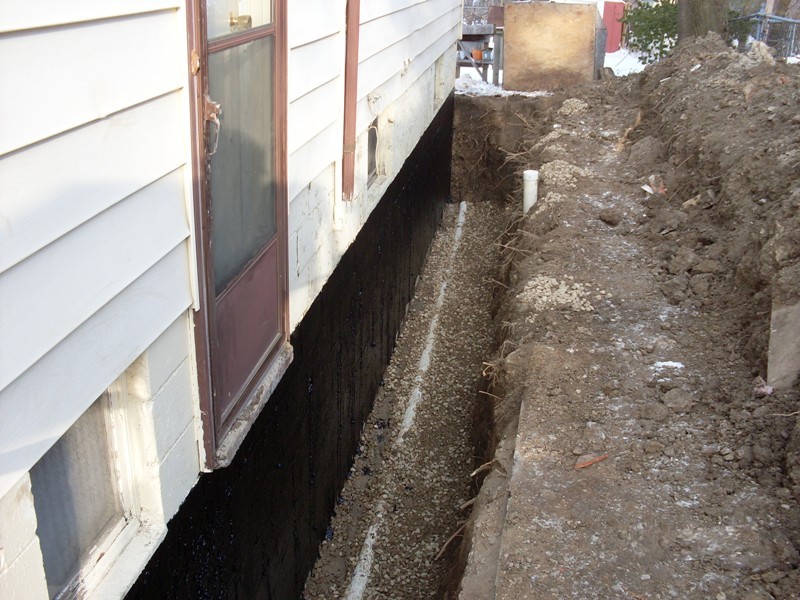
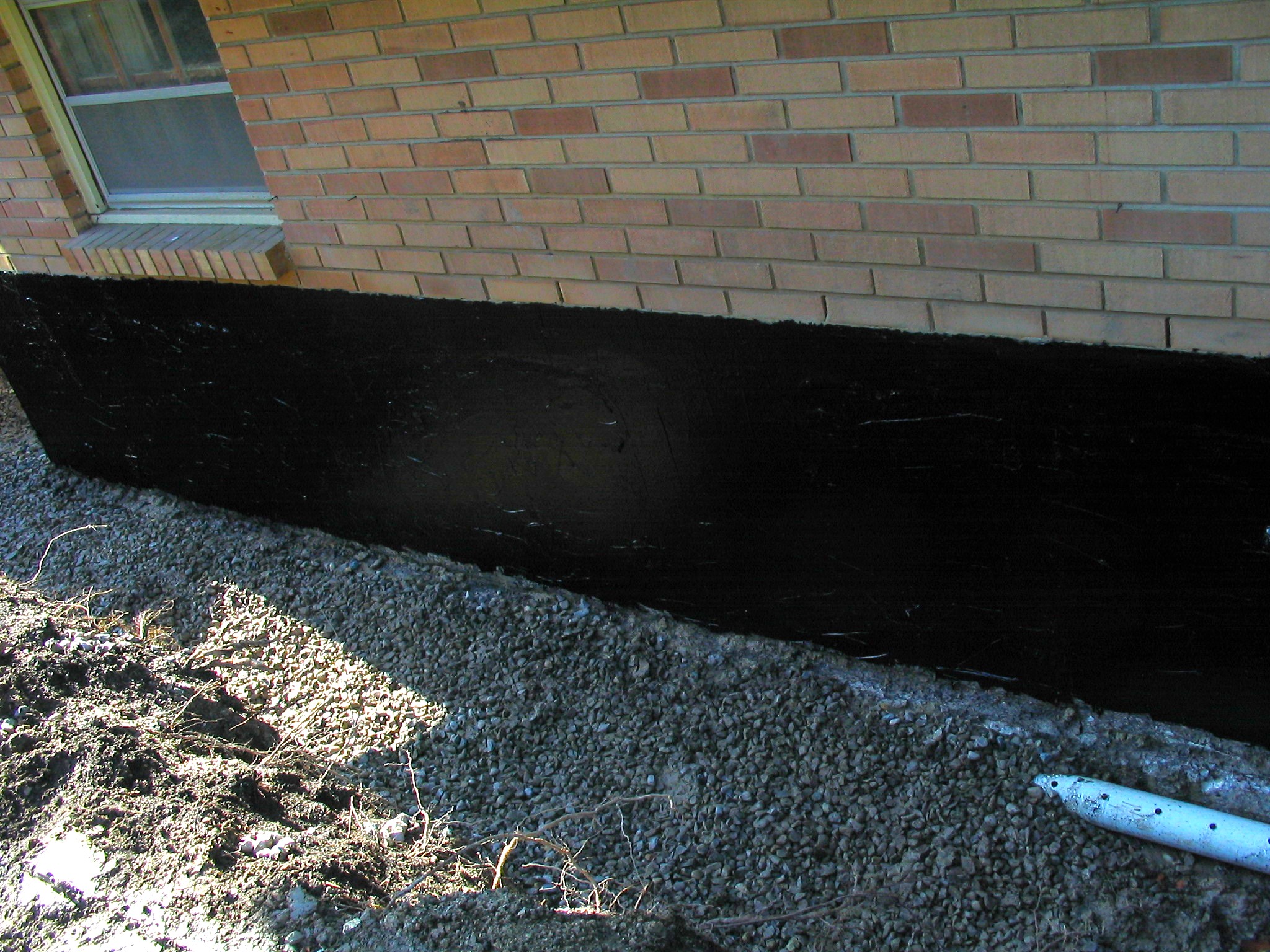
Exterior waterproofing stops water before it ever touches the inside of your basement. Here’s how it usually works:
- The soil is dug out along the outside of the foundation to expose the walls.
- The walls are cleaned and inspected, and any cracks are repaired.
- A waterproof membrane or coating is applied to the outside of the wall.
- Drainage at the footing, such as weeping tile, is checked and repaired or replaced if needed.
- The soil is put back and graded so water flows away from the house.
It costs more and takes more work upfront. But because it fixes the cause, not just the symptoms, it’s the longer-lasting option.
Inside vs. Outside at a Glance
| Inside (Water Control) | Outside (Waterproofing) | |
| What it does | Manages water after it gets in | Keeps water out of the foundation |
| Fixes the root cause? | No | Yes |
| Digging required? | No outdoor excavation | Yes, around the foundation |
| Upfront cost | Lower | Higher |
| Disruption | Inside the basement | Outside, in your yard and landscaping |
| Best for | Minor or occasional leaks, unfinished spaces | Ongoing leaks, cracked walls, finished basements |
When Fixing from the Inside Makes Sense
Interior water control can be a smart choice when:
- The leak is small, occasional, or limited to one spot.
- The basement is used for storage or utilities, not as living space.
- Excavating isn’t practical, for example because of a deck, driveway, or a neighbour’s house right against the wall.
- You need a solution now and plan to deal with the outside later.
Just know that if the water is coming from cracks, poor grading, or failed drainage outside, it will keep coming. You may be looking at more repairs and maintenance over time.
When Fixing from the Outside Is the Better Choice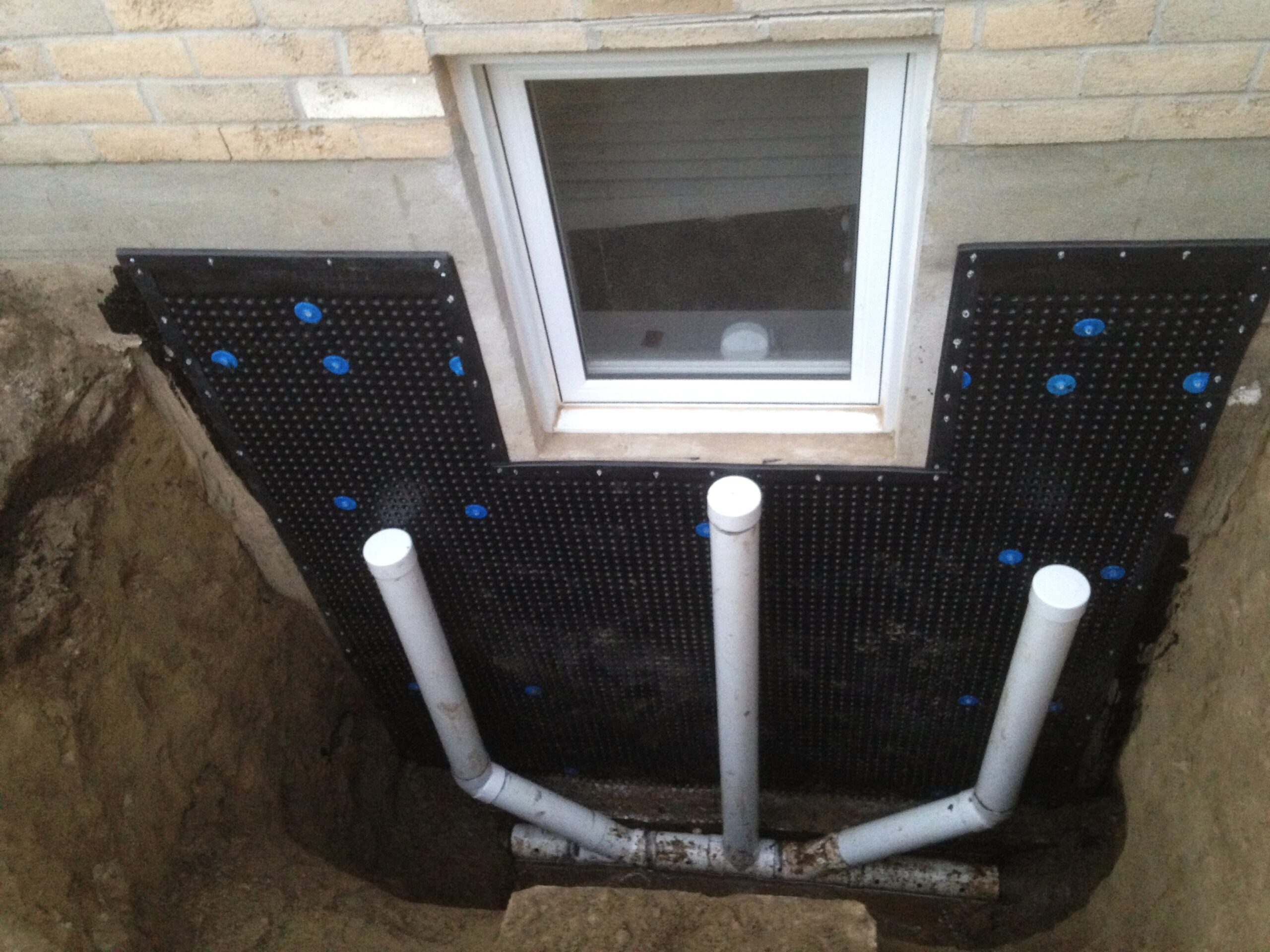
Exterior waterproofing is usually worth the investment when:
- Your basement leaks regularly, not just once in a while.
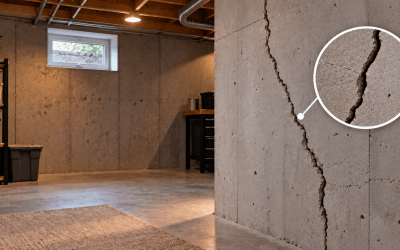
- You can see cracks in your foundation walls, especially ones that leak or are getting bigger.
- You notice mould, mildew, or white chalky residue (efflorescence) on the walls.
- You have, or want, a finished basement with drywall, flooring, and furniture.
- Your home sits in a low spot, on clay soil, or in an area with a high water table.
By keeping water off the foundation in the first place, you protect the structure, the space, and everything you store down there.
Sometimes the Best Answer Is Both
It doesn’t always have to be one or the other. In homes with a high water table or heavy groundwater, the best setup is often exterior waterproofing plus a sump pump inside. The outside keeps water off the walls. The inside gives any water that collects at the footing a safe way out.
If your basement has ever flooded from a sewer backup during a storm, that’s a different problem with a different fix. A backwater valve may be what you need, and the City of London offers a grant that can help cover the cost.
Why a Wet Basement Shouldn’t Wait
A little water might not seem like a big deal. But basements are cool, dark, and damp, which makes them perfect for mould. Once mould takes hold, it can damage drywall, flooring, and belongings, and it’s hard to get rid of completely.
It’s a health issue too. Research has linked indoor mould and dampness to respiratory problems and allergies, especially for people with asthma or weakened immune systems.
Water also puts ongoing pressure on your foundation. Over time, that can lead to new cracks, bigger leaks, and costlier repairs. Here’s more on why you should deal with a wet basement promptly.
Quick Checks You Can Do Outside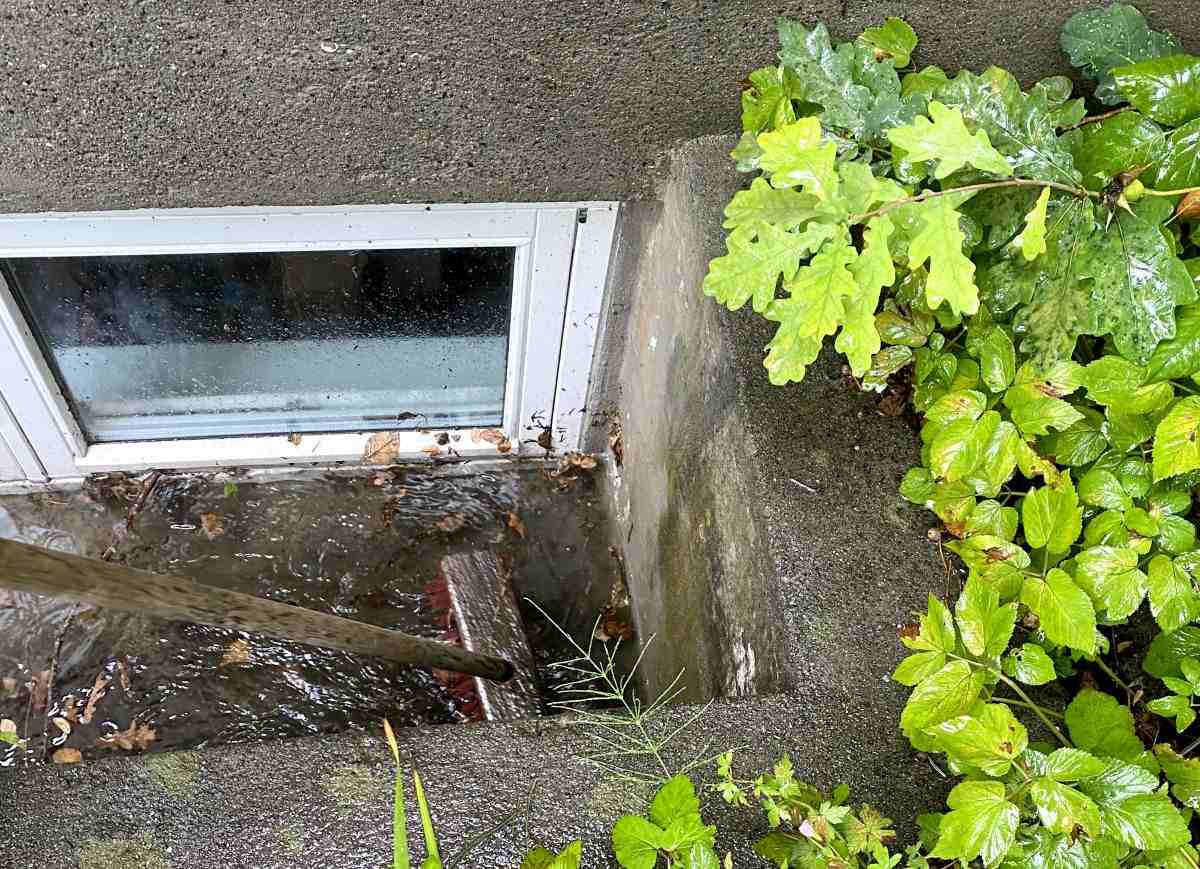
Before you call anyone, take a walk around your house. A few simple fixes can make a real difference:
- Clean your gutters so rainwater doesn’t spill over next to the foundation.
- Extend your downspouts so they carry water at least 1.8 metres (6 feet) away from the house.
- Check your grading. The ground should slope away from your home, not toward it.
- Look at your window wells. Make sure they’re clear of leaves and debris and draining properly.
If water is still getting in after that, it’s time for a professional look. Our tips for solving yard drainage issues are also a helpful read.
How BEST Helps You Choose the Right Fix
Every wet basement is different. The right fix depends on where the water is coming from, how often it happens, and how you use the space.
Since 1972, BEST Plumbing and Drainage Contractors has been helping homeowners in London and across Southwestern Ontario keep their basements dry. We’ll find out where the water is getting in, look at your drainage and grading, and give you an honest recommendation. Sometimes that’s a full exterior job. Sometimes it’s something smaller. Either way, you’ll know why.
Our wet basement repairs are done by a licensed, insured team and backed by a 20-year warranty, with the first 10 years transferable if you sell. Don’t just take our word for it. See what our customers say.
For a deeper technical read, Canada Mortgage and Housing Corporation’s A Guide to Fixing Your Damp Basement is a helpful resource.
Call 519-438-6565 for a free consultation or Request a quote online. Water coming in right now? We offer 24-hour emergency service.
Frequently Asked Questions
Is it better to waterproof a basement from the inside or outside?
For most homes with ongoing leaks, fixing it from the outside is better because it keeps water from reaching the foundation at all. Inside systems cost less and avoid digging, but they manage water after it gets in rather than stopping it.
What is the difference between water control and waterproofing?
Water control is done from the inside. It collects water that has already entered the basement and pumps it out. Waterproofing is done from the outside. It seals the foundation walls so water can’t get in to begin with.
Does interior basement waterproofing really work?
Yes, interior systems do a good job of keeping water off your floor. They just don’t stop water from reaching your foundation walls. For minor or occasional leaks, that can be enough. For ongoing leaks, exterior waterproofing is usually the longer-lasting fix.
Is exterior basement waterproofing worth the cost?
In many cases, yes. It costs more upfront, but it fixes the source of the problem, protects your foundation, and helps prevent mould. It’s especially worth it if you have a finished basement or plan to finish one.
Can I waterproof my basement without digging?
You can manage water without digging by using an interior drain and sump pump, or by injecting individual leaking cracks from the inside. These options avoid excavation, but they don’t seal the outside of the wall the way exterior waterproofing does.
Do I still need a sump pump if I waterproof from the outside?
Sometimes. If your home has a high water table or a lot of groundwater, a sump pump gives water collected at the footing somewhere to go. A professional can tell you whether your home needs one.
Can I finish my basement if I only fix it from the inside?
Many people do. Just make sure the interior system is working well first, and understand that water will still be reaching the outside of your walls. If you’re putting money into a finished space, it’s worth getting an assessment before you start.
What time of year is best for exterior waterproofing?
Spring through fall is usually easiest, when the ground isn’t frozen. That said, a leaking basement shouldn’t wait for perfect weather. Talk to a contractor about what’s possible for your home and timeline.
What causes a wet basement in the first place?
Common causes include foundation cracks, poor grading, clogged gutters, short downspouts, failed weeping tile, and a high water table. Heavy rain and the spring thaw often make these problems show up.
Does BEST fix wet basements in London, Ontario?
Yes. BEST Plumbing and Drainage Contractors helps homeowners across London and Southwestern Ontario with wet basement repairs and waterproofing. Call 519-438-6565 or request a quote online to book an assessment.