Is a Wet Basement a Serious Problem?
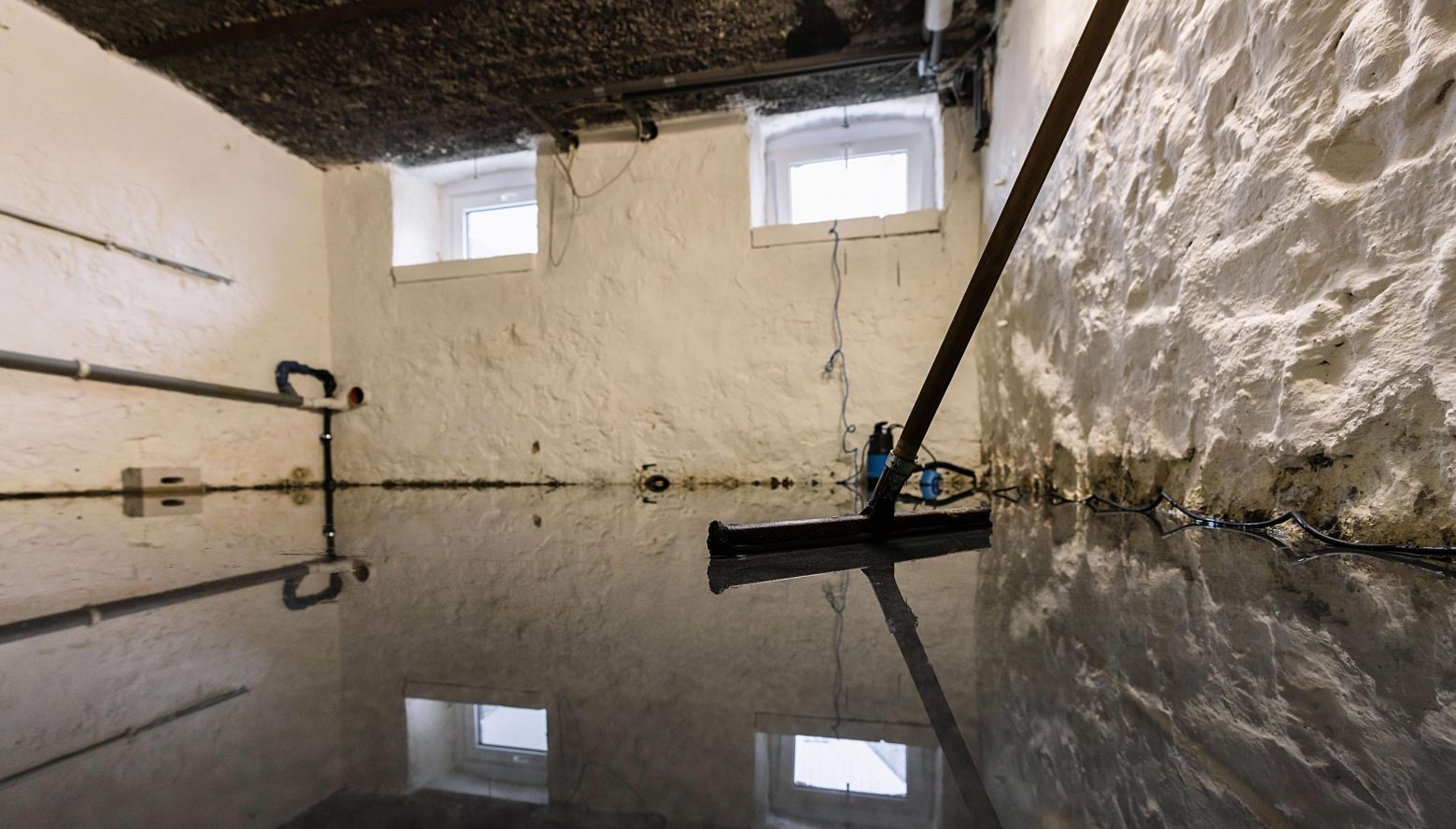
Yes — even if it seems minor right now. A wet basement is never just a cosmetic issue. Moisture in your basement can damage your foundation, cause mould and mildew that affect your family’s health, destroy the things you store there, and reduce your home’s value. The longer you wait, the worse it gets and the more expensive it becomes to fix. If your basement is wet, leaking, or showing signs of moisture, the right time to address it is now — before Ontario’s fall rains make it worse.
A wet basement is one of those problems that’s easy to put off. The water isn’t that deep. It only happens when it rains hard. It dries out eventually. You’ll deal with it in the spring.
We hear this all the time. And unfortunately, we also see what happens when homeowners wait too long — cracked foundations, black mould, damaged electrical systems, and repair bills that are many times what the original fix would have cost.
BEST Plumbing & Drainage has been fixing wet basements in London and Southwestern Ontario since 1972. Here’s what you need to know about why this matters and what to do about it. For an immediate assessment, call us at 519-438-6565.
What a Wet Basement Can Actually Do to Your Home
It’s easy to underestimate the damage water can cause — especially when it looks like just a little moisture. But water is patient, and it causes problems on a timeline you can’t always see.
Foundation Damage
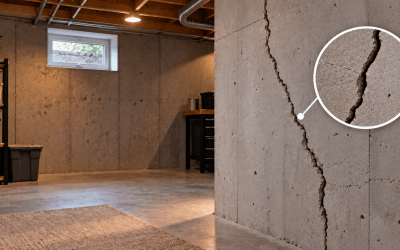
Water puts constant pressure on your basement walls. Over time, that hydrostatic pressure causes cracks, bowing walls, and structural instability. What starts as a hairline crack can become a serious structural problem that costs tens of thousands of dollars to repair. Clay-heavy soil — common throughout London and Southwestern Ontario — holds water against foundation walls longer than most soil types, making this an especially real risk in our region.
Mould and Health Problems
Mould doesn’t need much to grow — just a little moisture and a few days. Once it takes hold in a basement, it spreads quickly through walls, flooring, and HVAC systems, sending spores throughout the rest of your home. Health Canada warns that mould exposure can cause respiratory problems, allergic reactions, and more serious health impacts in children, the elderly, and people with compromised immune systems. If you smell mildew in your basement, mould is likely already present.
Damage to Your Belongings
Basements are often where families store valuables, keepsakes, electronics, appliances, and furniture. A single flooding event can destroy items that can’t be replaced. Even ongoing dampness degrades stored items over time — cardboard boxes, wood furniture, photographs, and fabric all suffer in a consistently humid environment.
Higher Insurance Costs and Reduced Home Value
According to the Canada Mortgage and Housing Corporation, repeated basement flooding can lead to significantly higher home insurance premiums, increased deductibles, and in some cases, insurers refusing to provide coverage at all. On top of that, a wet basement is a known red flag for home buyers — it can reduce your property’s value and make it significantly harder to sell.
Electrical Hazards
Water and electricity are a dangerous combination. Basements typically house electrical panels, water heaters, HVAC equipment, and in finished basements, outlets and fixtures. Water contact with any of these creates serious shock and fire risks. If your basement has standing water near electrical components, don’t go in — call us immediately.
Where Is the Water Coming From?
Before you can fix a wet basement, you need to understand what’s causing it. The source matters — because the wrong fix for the wrong problem wastes money and doesn’t solve anything. Common causes include:
- Surface water and poor grading — ground around the foundation slopes toward the house, directing rainwater at the walls instead of away from them
- Clogged or misdirected downspouts — gutters that dump water too close to the foundation are one of the most common causes of wet basements, and one of the easiest to fix
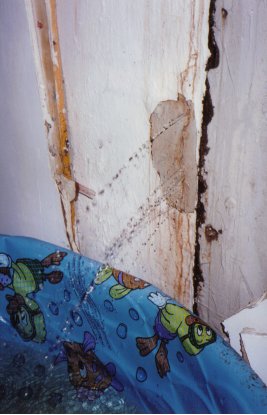
- Foundation cracks — even small cracks can let significant amounts of water in over time, especially under hydrostatic pressure
- Failed waterproofing — older homes often have deteriorated or inadequate waterproofing that no longer keeps water out
- High water table — in some parts of Southwestern Ontario, groundwater simply rises to the level of the basement during wet periods
- Window well drainage issues — deteriorated or clogged window wells can collect water and direct it straight through the wall
Our article 6 Serious Causes of Wet Basements and How to Fix Them Fast goes into each of these in more detail. And our article on whether it’s better to fix a wet basement from the inside or outside can help you understand the options once you know the cause.
Warning Signs You Should Never Ignore
Some wet basement problems are obvious — water on the floor after a rainstorm. Others are subtle. Here’s what to watch for:
- White or grey chalky deposits on concrete walls (efflorescence) — a sign water is moving through the wall
- Musty or mildew smell — even without visible water, moisture is present
- Staining or rust streaks on walls or floor — indicates water has been getting in repeatedly
- Peeling paint or bubbling on basement walls — moisture is pushing through from behind
- Visible cracks in foundation walls, especially horizontal cracks — these are particularly serious
- Windows that are hard to open or doors that stick — could indicate foundation movement caused by water
- Increased humidity in the rest of the home — moisture migrating up from the basement
If you’re seeing any of these — especially in October when fall rains are ramping up — now is the time to have it assessed. Problems that seem minor in October can become major ones by December.
What Should You Do?
Don’t DIY a wet basement unless you’re absolutely certain of the source and the fix. Sealing visible cracks from the inside, for example, may seem like a solution — but it often just redirects water to find another way in, without addressing the underlying pressure or drainage issue. A professional assessment identifies what’s actually happening and recommends the right solution.
Steps to take right now:
- Check your downspouts — extend them at least 1.8 metres from the foundation if they aren’t already
- Look at your yard grading — is the ground sloping toward the house?
- Inspect your sump pump — is it working properly? When was it last serviced?
- Look for obvious cracks in foundation walls and note their location and size
- Call BEST for a professional assessment — we’ll identify the source and give you a clear picture of your options and costs
Why London Homeowners Choose BEST for Wet Basement Repairs
 BEST Plumbing & Drainage has been solving wet basement problems in London and Southwestern Ontario since 1972. We don’t just treat the symptoms — we find the source and fix it properly, with solutions that last. Our wet basement services include interior and exterior waterproofing, foundation crack repair, window well repair, sump pump installation, French drains, and more.
- Over 50 years of experience in London and Southwestern Ontario
- Free consultations and assessments
- 20-year warranty on qualifying work
- 24-hour emergency service for active flooding
- BBB accredited and locally trusted
Don’t Let a Wet Basement Get Worse This Fall
Ontario’s fall rain season is here. If your basement has been showing signs of moisture, now is the time to have it looked at — before the ground saturates and the water has nowhere to go but in.
Call BEST at 519-438-6565 or request a free consultation online. We serve London, Ontario and communities throughout Southwestern Ontario.
Common Questions About Wet Basements
How do I know if my basement has a serious water problem?
Any recurring moisture — even without standing water — should be taken seriously. Efflorescence (white chalky residue) on walls, musty smells, staining, and visible cracks are all signs that water is getting in. A one-time event during an extreme storm is different from a basement that gets wet every time it rains.
How much does it cost to fix a wet basement in London, Ontario?
It varies significantly depending on the cause and the solution. Simple exterior fixes like extending downspouts can cost very little. Interior drainage systems and sump pump installation run from a few thousand dollars. Full exterior waterproofing on a larger home can be a more substantial investment. We provide free assessments so you know exactly what you're dealing with before committing to any work.
Can I fix a wet basement myself?
Some surface-level fixes — like redirecting downspouts or improving grading — are manageable for a motivated homeowner. But most wet basement problems have an underlying cause that requires professional diagnosis. Patching visible cracks from the inside, for example, often doesn't address the water pressure pushing through the wall and can make the problem harder to fix properly later.
Is mould always present in a wet basement?
Not always immediately — but mould can begin to grow within 24 to 48 hours of water exposure. If your basement has been damp for any length of time, mould is likely present somewhere, even if you can't see it. Health Canada recommends professional assessment and remediation for any significant mould growth.
Will fixing my wet basement increase my home’s value?
Yes — significantly. A wet basement is one of the biggest red flags for home buyers and can reduce your asking price or derail a sale entirely. A properly waterproofed basement, backed by a warranty, is a genuine selling point that removes a major buyer concern.
What’s the difference between waterproofing and drainage?
Waterproofing prevents water from penetrating your foundation walls through sealants, membranes, and coatings. Drainage manages water that's already around your home — directing it away through grading, French drains, sump systems, and downspout management. Most wet basement solutions involve some combination of both. Our article on whether it's better to fix a wet basement from the inside or outside explains the options in more detail.