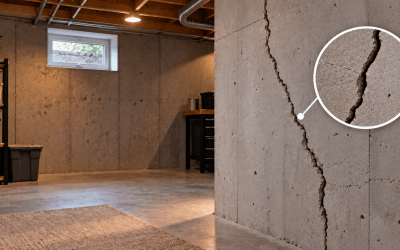

What Does a Sump Pump Do?
A sump pump removes groundwater from a pit in your basement before it rises high enough to flood the floor. When water accumulates in the pit — from rain, snowmelt, or rising groundwater — the pump automatically switches on and pushes that water out through a discharge pipe, away from your home. It’s one of the most effective tools a homeowner in Ontario can have for preventing basement flooding, and it works around the clock without you having to do a thing.
Most homeowners don’t think about their sump pump until it stops working. Then they’re standing in 30 centimetres of water wondering what happened.
At BEST Plumbing & Drainage Contractors, we’ve been keeping basements dry in London and Southwestern Ontario for over 50 years. We’ve seen what happens when sump pumps fail — and we’ve seen how much damage a properly installed and maintained pump can prevent. This guide covers everything you need to know: how sump pumps work, signs you need one, when to replace yours, and what to do if yours fails. For emergencies, call us anytime at 519-438-6565.
How Does a Sump Pump Work?
The concept is simple. A sump pump sits in a small pit — called a sump pit or sump basin — at the lowest point of your basement. Water naturally flows into this pit from the surrounding soil, especially after heavy rain or snowmelt.
When the water in the pit reaches a set level, a float switch triggers the pump. The pump then pushes the water up through a discharge pipe that carries it away from your foundation — out to the street, a drainage ditch, or a dry well in your yard.
Once the water level drops, the pump shuts off automatically. The whole cycle happens without you doing anything.
There are two main types of sump pumps:
- Submersible pumps — installed inside the sump pit, fully submerged in water. Quieter and more powerful. The most common choice for Ontario homes.
- Pedestal pumps — the motor sits above the pit on a pedestal, with only the intake pipe reaching into the water. Easier to service but louder and less powerful.
For most London area homes, a submersible pump is the better option. Your BEST technician can recommend the right size and type based on your home’s drainage needs.
Does Your Home Need a Sump Pump?
Not every home needs one — but many in Southwestern Ontario do. Our region gets significant rainfall, heavy snowmelt in spring, and many homes are built on clay-heavy soil that doesn’t drain well. If any of these sound familiar, a sump pump is worth having:
- Your basement has flooded before — even once
- You’re in a low-lying area or a neighbourhood with known drainage issues
- Your home was built before the 1980s and doesn’t have modern drainage infrastructure
- You have a finished basement that you want to protect
- Water seeps in through foundation walls or cracks after heavy rain
- Your yard doesn’t drain well and water pools near the foundation
Even if you’ve never had a flooding problem, a sump pump is inexpensive insurance. The Canada Mortgage and Housing Corporation notes that chronic basement flooding can lead to higher insurance rates, long-term structural damage, and decreased property value — all things that cost far more than a properly installed sump pump.
Signs Your Sump Pump Needs Attention
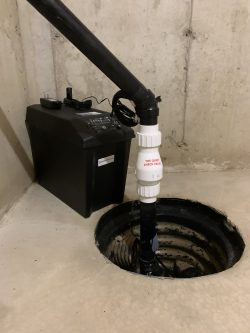
Sump pumps typically last 7 to 10 years. Here are the warning signs that yours may be struggling:
- It’s running constantly — usually means the float switch is stuck or the pump is undersized for the water volume it’s handling
- It’s making strange noises — grinding or rattling can indicate a damaged impeller or worn bearings
- It’s running but the pit isn’t emptying — could mean a clogged discharge line or a failing pump motor
- It’s not turning on at all — check the power first, but if the outlet is fine, the pump may have failed
- There’s visible rust or corrosion — especially around the intake screen, which can restrict water flow
- It’s more than 10 years old — even if it seems to be working, a pump this old is overdue for inspection
The worst time to discover your sump pump has failed is during a heavy rainstorm. If you’re not sure how yours is performing, book a sump pump inspection with BEST before fall rains arrive.
What About Power Outages?
Here’s the problem: sump pumps run on electricity. And in Ontario, the storms most likely to flood your basement are the same storms that knock out the power.
A battery backup sump pump is the solution. It kicks in automatically when the power fails, running on a charged battery to keep water moving out of your pit during an outage. We cover this in more detail in our article Does a Sump Pump Work if the Power Goes Out? — but the short answer is: not unless you have a backup system.
If you don’t have a battery backup and your home is prone to flooding, we strongly recommend adding one. It’s a relatively small investment compared to the cost of a flooded basement.
Sump Pumps in Winter — What You Need to Know
Winter brings its own sump pump challenges in Ontario. Discharge lines can freeze in extreme cold, blocking the flow of water out of your home and causing backups. We cover this in detail in our article Will a Sump Pump Freeze? — but a few quick tips: make sure your discharge line is properly insulated and pitched so water doesn’t sit in the pipe after the pump cycles off.
Why London Homeowners Trust BEST for Sump Pump Installation and Service
BEST Plumbing & Drainage has been serving London and Southwestern Ontario since 1972. We install, inspect, replace, and repair sump pumps — and we’re available 24 hours a day for emergencies.
- Over 50 years of experience in London and Southwestern Ontario
- 24-hour emergency service — we’re there when your basement is flooding at 2 am
- Complete sump pump installation including battery backup systems
- Inspections to assess your existing pump before it fails
- 20-year warranty on qualifying work
- BBB accredited and locally trusted
Don’t Wait Until Your Basement Floods
The best time to think about your sump pump is before you need it. If yours is old, making noise, or you’re not sure when it was last inspected — give us a call. We’ll check it over and let you know exactly where things stand.
Call BEST at 519-438-6565 or request a free quote online. We serve London, Ontario and communities throughout Southwestern Ontario.
Common Questions About Sump Pumps
How long does a sump pump last?
Most sump pumps last between 7 and 10 years with proper maintenance. If yours is approaching that age — or you're not sure how old it is — it's worth having it inspected before it fails at the worst possible moment.
How do I test my sump pump?
The easiest way is to pour a few buckets of water into the sump pit. The pump should switch on, remove the water, and then switch off. If it doesn't respond, or if it runs but the pit doesn't empty, call a professional for an inspection.
Should my sump pump be running constantly?
No — a constantly running sump pump is a sign something is wrong. It could mean the float switch is stuck, the pump is undersized, or there's a drainage issue around your foundation. See our article Should a Sump Pump Stay Plugged In? for more on how a healthy pump should operate.
What size sump pump do I need?
It depends on the size of your home and how much water your area typically receives. For most London-area homes, a ⅓ to ½ horsepower submersible pump is sufficient. If you've had significant flooding in the past, a higher-capacity pump may be warranted. A BEST technician can assess your situation and make the right recommendation.
Do I need a battery backup?
In Ontario's climate, we recommend one for any home that has experienced flooding or is in a flood-prone area. Power outages and major rainstorms often happen together — which is exactly when you need your sump pump most. A battery backup ensures it keeps working even when the power doesn't.
Can BEST install a sump pump in a home that doesn’t have one?
Yes. We handle the full installation — cutting the sump pit, installing the pump and discharge line, and connecting the system properly so it's ready to protect your basement. Contact us to schedule a consultation.