As spring arrives with its seasonal showers, the rainfall can rejuvenate your garden and lawn, but it can also highlight drainage issues around your yard. Even if you haven’t faced these problems before, changing weather patterns or slight shifts in your landscape can create new challenges. At BEST Plumbing and Drainage Contractors, we specialize in identifying and resolving common yard drainage issues caused by seasonal rains. Here’s how we can help.
How do you fix yard drainage issues after spring rains?
To fix yard drainage issues after spring rains, start by identifying the cause—such as clogged gutters, poor grading, compacted soil, or blocked drains. Clean and extend downspouts to direct water away from your foundation and ensure your yard slopes away from your home. Aerate compacted soil to improve absorption and consider installing drainage solutions like French drains or weeping tile systems for persistent pooling. Regular maintenance and professional inspections can prevent long-term water damage and keep your yard dry and functional.
6 Powerful Tips to Effectively Solve Yard Drainage Issues
Overflowing Eavestroughs and Downspouts
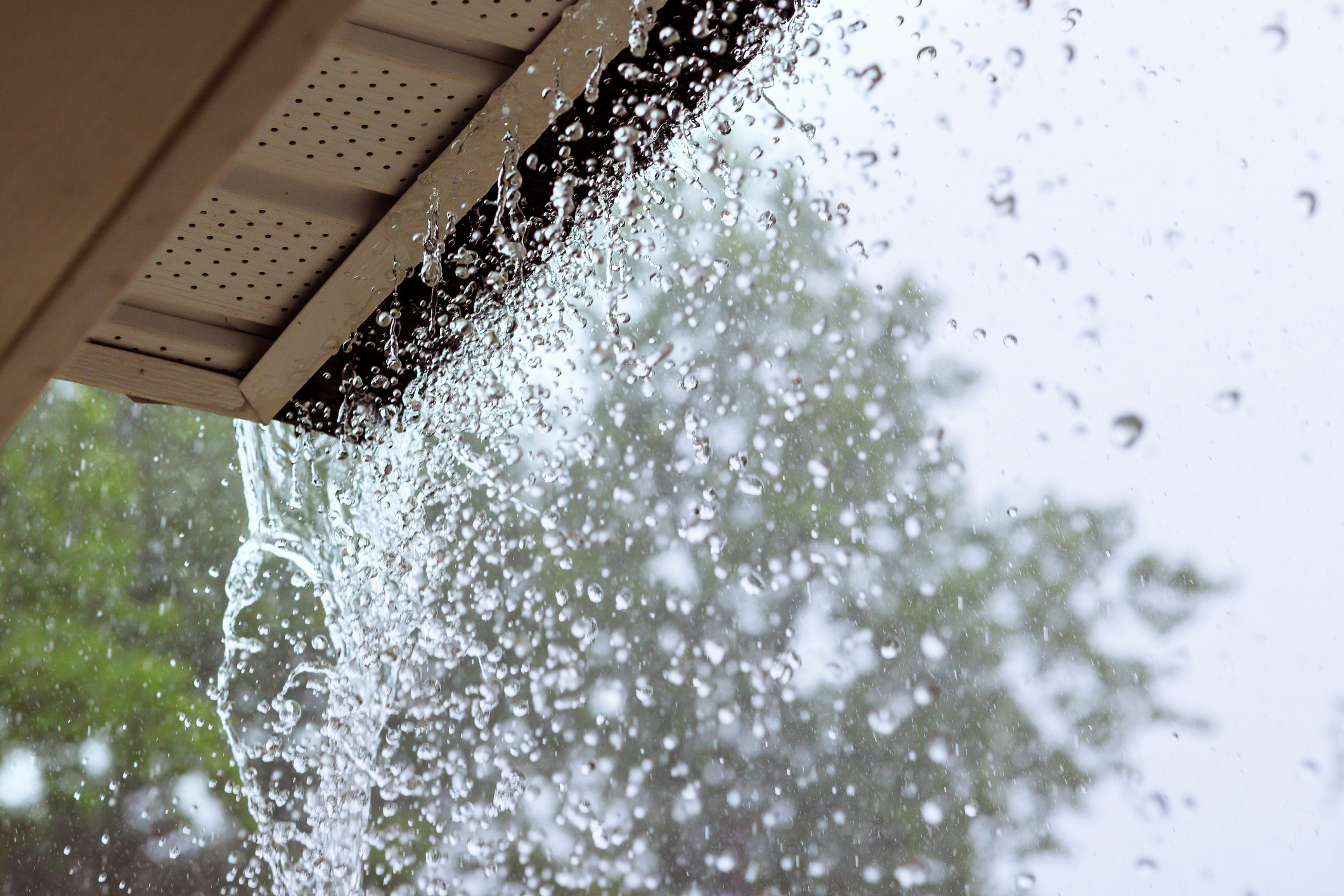 When it rains, you may notice water spilling over from your eavestroughs or downspouts, creating mini waterfalls in your yard. This issue is often caused by clogged gutters or downspouts that are improperly positioned. If the downspouts are placed too close to each other, it can lead to an overload of water in one area, causing pooling instead of dispersing the water evenly. Overflowing eavestroughs and downspouts can also occur when gutters are too full of debris, preventing proper drainage.
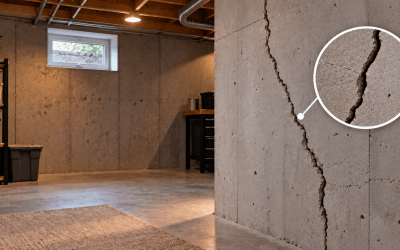
Excess moisture near your home’s foundation can lead to serious problems, such as soil erosion, wall cracks, and even basement leaks. When water isn’t properly directed away from your home, it can seep into the foundation and cause long-term damage.
To solve this issue, it’s essential to ensure that water is flowing away from your foundation. The grading of your landscape plays a significant role in directing the water away from your home’s base.
BEST Plumbing and Drainage Contractors can help identify the cause of the overflowing eavestroughs and downspouts. We offer solutions such as adjusting or repositioning downspouts, cleaning out clogged gutters, and regrading your yard to improve water flow. In some cases, we may recommend installing a weeping tile system to efficiently manage excess water and prevent pooling near your foundation. Our goal is to keep your home safe from water damage, no matter the season.
Pooling Water in the Yard
Spring rains can saturate your lawn, but if your soil cannot absorb the water fast enough, it can pool in areas of your yard, creating yard drainage issues. Even soil types that typically drain well, like sandy soil, can experience this problem if the root system in your lawn is struggling to absorb the moisture.
Standing water indicates that your yard might have poor soil permeability, improper grading, or even soil compaction, all of which can cause significant yard drainage concerns. To test if soil compaction is the issue, simply push a dowel into the ground. If it’s difficult to push in, there may be excess clay or compacted soil.
If your yard has persistent standing water and drainage problems, BEST Plumbing and Drainage Contractors offers solutions to address these yard drainage issues. Core aeration can loosen compacted soil, and we can re-grade your yard to improve drainage. For garden beds or areas prone to pooling, we might install a French drain to carry water away while maintaining the appearance of your yard.
Blocked Sewer Drains
 After the snow thaws and the rain comes, sewer drains can quickly become blocked by leaves, twigs, and other debris. These blockages prevent proper wastewater removal and can even cause sewage backups inside your home.
Signs of a blocked sewer drain include slow drainage or unpleasant sewage odors in your home. For minor blockages, a plumber’s auger or snake can help clear the pipes. However, more severe blockages require professional intervention.
BEST Plumbing and Drainage Contractors offers comprehensive sewer inspection services. Our team uses high-pressure flushing to clear your pipes and remove any debris causing blockages. Regular maintenance and cleaning can prevent sewer backups, ensuring your plumbing system operates smoothly all year long.
The Importance of Regular Drainage Maintenance
Spring rains can often reveal drainage problems that weren’t noticeable in the drier months. Whether it’s a clogged downspout, compacted soil, or a blocked sewer drain, professional maintenance is essential to prevent future issues.
At BEST Plumbing and Drainage Contractors, we recommend regular yard drainage inspections to keep your yard free from water damage. By identifying small problems early, you can avoid larger, more expensive repairs in the future. Our services include everything from adjusting downspouts to installing French drains and sump pumps, all designed to optimize your drainage system.
Prevent Costly Repairs with Early Action
Neglecting drainage issues can lead to serious and expensive damage over time. Problems like poor grading, clogged drains, and standing water can gradually damage your home’s foundation and lead to basement flooding. These kinds of repairs can be costly, but they are often preventable with timely intervention.
Hiring a professional drainage contractor like BEST Plumbing and Drainage Contractors helps ensure that minor problems are dealt with before they turn into major repairs. Our experts will quickly identify issues, recommend solutions, and prevent costly damage to your property.
Why You Should Trust Experts with Your Drainage Issues
While it’s tempting to try and fix yard drainage problems on your own, most issues require professional expertise. Plumbing and drainage systems are intricate, and incorrect solutions can make things worse. For example, improper grading or installing a faulty drainage system could create new problems that didn’t exist before.
By hiring a professional contractor like BEST Plumbing and Drainage Contractors, you’ll get reliable, effective solutions. Our team has the knowledge and tools to handle everything from simple downspout adjustments to complex drainage installations. We ensure your yard drainage system is set up correctly, so your home stays dry and protected throughout the year.
Protect Your Home with Professional Drainage Solutions
Spring rains are a blessing for your lawn, but they can also expose hidden drainage issues. Whether it’s standing water in your yard, clogged sewer drains, or excessive moisture around your foundation, BEST Plumbing and Drainage Contractors is here to help. Our experienced team provides a full range of services to keep your drainage system in top shape and ensure your yard stays dry and safe.
Don’t wait for a small drainage problem to become a major issue. Contact BEST Plumbing and Drainage Contractors today to schedule a consultation. We’ll address all your drainage needs and help you maintain a healthy, dry yard for the rest of the season and beyond.
Frequently Asked Questions – Tips to Effectively Solve Yard Drainage Issues
What causes yard drainage problems after spring rains?
Yard drainage problems after spring rains are usually caused by a combination of poor grading, clogged gutters or downspouts, compacted soil, and blocked underground drains. As snow melts and rainfall increases, the ground can become oversaturated, revealing issues that weren’t noticeable during drier months. Even small landscape shifts or debris buildup can disrupt how water flows. Identifying the root cause early is key to preventing long-term damage to your lawn and home.
How can I tell if my yard has poor drainage?
Common signs of poor yard drainage include standing water, soggy or muddy patches that linger for days, soil erosion, and water collecting near your home’s foundation. You might also notice a musty smell in your basement or visible water stains on walls. If your lawn feels spongy underfoot or struggles to stay healthy, it could indicate underlying drainage issues. These symptoms suggest water isn’t being absorbed or redirected properly.
Is standing water in my yard a serious problem?
Yes, standing water is more than just an inconvenience—it can lead to serious problems if left untreated. It can damage grass and plant roots, attract mosquitoes and pests, and gradually seep into your home’s foundation. Over time, this excess moisture can cause cracks, mold growth, and even basement flooding. Addressing standing water early helps protect both your landscaping and your property’s structural integrity.
How do I fix water pooling in my yard?
Fixing water pooling in your yard starts with identifying the underlying cause. If soil is compacted, core aeration can improve water absorption. If the issue is poor grading, reshaping the slope of your yard can help direct water away from problem areas. For persistent drainage issues, installing solutions like French drains or catch basins can effectively redirect excess water. In many cases, a combination of methods provides the best long-term results.
How far should downspouts extend from my house?
Downspouts should extend at least 4 to 6 feet away from your home’s foundation to prevent water from pooling near the base. In areas with heavy rainfall or poor soil drainage, extending them even further may be beneficial. Properly placed extensions help ensure that water is safely directed away from your home, reducing the risk of foundation damage, soil erosion, and basement leaks.
Can clogged gutters really affect yard drainage?
Yes, clogged gutters and downspouts are a common but often overlooked cause of yard drainage problems. When gutters are filled with leaves and debris, rainwater overflows and spills directly onto the ground near your home. This concentrated flow of water can quickly lead to soil erosion, pooling, and excess moisture around the foundation. Regular gutter cleaning is a simple but essential step in maintaining proper drainage.
What is a French drain and how does it help?
A French drain is an underground drainage system that uses a perforated pipe surrounded by gravel to redirect water away from problem areas. It collects excess water from the soil and channels it to a safer location, such as a drainage ditch or storm system. French drains are especially effective for yards with persistent pooling or poor natural drainage. They provide a long-term, low-visibility solution that helps keep your lawn dry and usable.
When should I call a professional for drainage issues?
You should consider calling a professional if you notice recurring standing water, frequent basement leaks, slow-draining fixtures, or signs of foundation damage like cracks. While minor issues can sometimes be handled with basic maintenance, persistent or worsening problems often require specialized tools and expertise. A professional can accurately diagnose the issue and recommend effective, long-term solutions.
How can I prevent yard drainage problems in the future?
Preventing yard drainage problems starts with regular maintenance and proactive care. Keep gutters and downspouts clean, ensure water is directed away from your home, and aerate your lawn to improve soil absorption. It’s also helpful to inspect your yard after heavy rains to spot early warning signs. Scheduling periodic drainage inspections can help catch small issues before they turn into costly repairs.