Your water bill arrives and it’s $40 higher than last month. No one’s been home more than usual. No obvious reason. That’s your plumbing trying to get your attention.
Plumbing problems in London, Ontario homes are more common than most homeowners realize — and most of them start as small, easy-to-fix issues that quietly compound into expensive repairs. A dripping faucet wastes thousands of litres a year. A slow-running toilet can add hundreds of dollars to your annual water bill. A small hidden leak behind a wall can cause structural damage, mould growth, and water-damaged insulation long before it’s ever visible.
The good news: most plumbing problems leave clues before they become emergencies. Knowing what to look for — and when to stop looking and start calling — can save London homeowners significant money and headaches.
BEST Plumbing and Drainage Contractors has been serving London and Southwestern Ontario for over 50 years. In that time, we’ve seen the full spectrum of plumbing problems — from the minor and DIY-fixable to the “call us immediately before this gets worse.” This guide covers the most common issues our licensed plumbers diagnose, what causes them, what you can check yourself, and when professional intervention is the right call.
Quick Answer: How Do You Troubleshoot a Plumbing Problem?
Start with the symptom and work backward to the source:
When in doubt: if a plumbing problem involves your sewer line, water main, hidden pipes, or is affecting multiple fixtures at once, call a licensed plumber. The cost of early intervention is almost always less than the cost of waiting. |
Tip 1: Listen for Leaks — Your Home Is Telling You Something
The easiest diagnostic tool you have costs nothing: silence.
Most plumbing leaks make noise. A dripping faucet is obvious, but subtler sounds — a faint hiss from a supply line, the gentle trickle of a running toilet tank, water movement in pipes when nothing should be running — are all worth investigating.
Here’s how to do a basic sound check: Turn off the TV, dishwasher, and anything else making background noise. Walk through the house slowly. Stand near your water heater, under sinks, beside your toilet. Listen for anything that shouldn’t be there.
The most commonly missed sound leak in London homes is a running toilet. The tank fills, the water level reaches the top, and instead of stopping, it keeps slowly trickling over the overflow tube into the bowl — and then down the drain. Test this easily: add a few drops of food colouring to the toilet tank. Don’t flush. Wait 15 minutes. If colour appears in the bowl, your toilet is leaking silently. A standard running toilet wastes 200 litres of water per day or more.
What to do: Dripping faucets and running toilets are often DIY repairs — a replacement washer, O-ring, or fill valve from a hardware store can resolve many of these issues. If you’re not comfortable with the repair or the problem persists, our plumbing service team can handle it quickly.
Tip 2: Pay Close Attention to Your Toilet’s Behaviour
Your toilet tells you a surprising amount about the health of your plumbing system if you know what to watch for.
- Constant running. A toilet that runs continuously or intermittently is leaking into the bowl. The flapper valve, fill valve, or float mechanism is usually the culprit.
- Weak or incomplete flushes. Usually a low water level in the tank, a partially blocked drain, or a clog forming further down the line.
- Gurgling after flushing. If you hear gurgling in other drains after flushing your toilet, that’s a sign of a blockage or venting problem in your main drain line. This needs a plumber, not a plunger.
- Water around the base. Water pooling at the base of your toilet when you flush almost always means a failed wax ring. This needs to be replaced promptly — sewer gases and drain water leaking into your subfloor cause significant structural damage over time.
What to do: Flapper and fill valve replacements are manageable DIY tasks. A wax ring replacement is more involved but homeowner-accessible. Anything involving gurgling in multiple drains means calling BEST Plumbing and Drainage for a proper drain inspection.
Tip 3: Look for Leaks Throughout Your Home — Including Where You Can’t See Them
Visible leaks are the easy ones. The dangerous ones are hidden.
Water pipes that run inside walls, under floors, and through ceilings can develop slow leaks that go months or years without being discovered. By the time they’re visible, the damage is often extensive: saturated insulation, rotted framing, mould colonies behind drywall.
Signs of hidden leaks to watch for:
- Unexplained damp or soft spots on walls, ceilings, or floors — even if they’re not visibly wet
- Bubbling, peeling, or staining on painted or wallpapered surfaces near plumbing areas
- Mould or mildew smell without an obvious source, particularly in bathrooms, kitchens, or laundry areas
- Discolouration — yellow or brown staining on ceilings or walls, especially on upper floors
- Warped or buckled flooring near bathrooms, under sinks, or near appliances with water connections
- Unexplained increases in your water bill over several months
If you see any of these signs, call a licensed plumber for an inspection before opening walls. According to Canada Mortgage and Housing Corporation (CMHC), water damage is one of the leading causes of costly home repairs in Canada, and the majority originates from plumbing failures — most of which could have been caught earlier with regular inspection.
Tip 4: Check Under Sinks, Vanities, and Around Appliances
Under-sink cabinets are one of the most ignored areas in most homes — and one of the most likely places to find developing plumbing problems.
Make it a habit to check under every sink twice a year. Bring a flashlight and look for:
- Moisture or water stains on the cabinet floor or walls
- Mineral deposits (white or greenish crust) around fittings or the drain trap — these indicate slow weeping from a joint
- Soft or discoloured wood on the cabinet floor
- Corrosion on the shut-off valves — valves that haven’t been operated in years can seize or fail when you actually need them in an emergency
Also check around your dishwasher, washing machine, and water heater. Appliance supply hose failures are one of the most common causes of significant water damage in London homes — particularly rubber washing machine hoses, which degrade over time and can burst without warning. Braided stainless steel replacement hoses are a worthwhile upgrade.
What to do: Tighten loose fittings carefully. Replace any hoses showing cracking, bulging, or corrosion. If the shut-off valve under a sink is corroded or won’t turn, have it replaced — a seized valve in an emergency is a serious problem.
Tip 5: Read Your Water Meter — It Doesn’t Lie
Your water meter is the most objective diagnostic tool available to any homeowner, and most people never use it.
Here’s the leak detection test every London homeowner should know:
- Make sure no water is being used anywhere in the house — no running taps, dishwasher, washing machine, irrigation, or icemaker
- Find your water meter (typically near the street at the front of your property, or inside near where the water main enters)
- Record the exact reading, including the low-flow indicator (a small dial or triangle that spins with even minimal flow)
- Wait at least one hour without using any water
- Check the meter again
If the reading has changed — even slightly — water is moving through your system while nothing is running. You have a leak somewhere.
The City of London offers guidance on water leak detection and, in some cases, leak allowances on water bills for confirmed plumbing failures. If your meter test reveals a hidden leak, document it — it may be relevant to a billing adjustment.
If your meter test shows usage you can’t account for, contact BEST Plumbing and Drainage for a professional leak inspection.
Beyond the Basics: Other Plumbing Warning Signs London Homeowners Shouldn’t Ignore
Slow and Clogged Drains
A single slow drain usually means a localized blockage in that drain line. Multiple slow drains throughout the house, or drains backing up in more than one fixture simultaneously, signal a blockage deeper in your main drain line or a developing sewer line problem. This needs a professional drain inspection and likely a jet vac or drain snake treatment.
Never pour chemical drain cleaners down a drain repeatedly. They can damage older pipes, rarely resolve anything beyond a very minor clog, and create hazards for the technician who has to work on those pipes later.
Gurgling or Bubbling Sounds
Gurgling sounds from drains after flushing a toilet or draining a bathtub mean air is trapped in the drain line. Single-fixture gurgling is usually a local blockage. Gurgling in multiple fixtures is a main drain issue that won’t resolve itself and typically gets worse.
Wet Areas on Walls or Floors
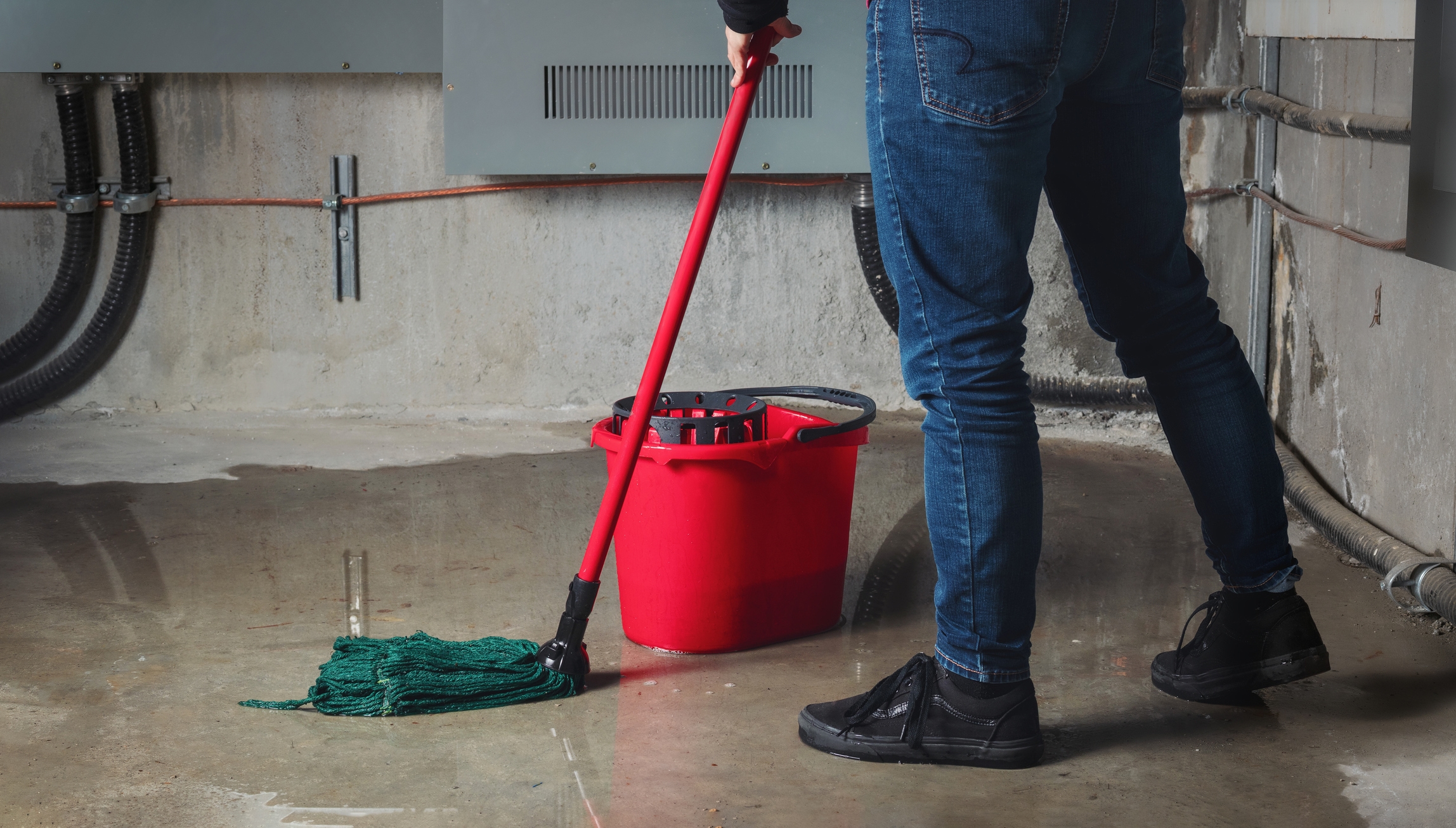
Water stains or persistent damp spots on walls or floors near plumbing are never “just cosmetic.” Something is leaking, and the damage behind that wall is actively getting worse. Call a licensed plumber for an inspection before doing any cosmetic repair.
Pooling Water in the Yard
Water pooling in your yard when it hasn’t rained — or persistent soft, soggy spots during dry weather — can indicate a sewer line failure, a broken water main, or a failed septic component. Our drains and sewers service includes camera inspection to diagnose exactly what’s happening underground. Our Hydro VAC service can safely expose underground infrastructure where traditional digging would carry risk.
Low Water Pressure
Suddenly low water pressure throughout your home can indicate a water main issue, significant corrosion inside older pipes, a failing pressure regulator, or a serious leak. For London, Ontario homes with older galvanized steel pipes, reduced pressure is often the first sign that pipe replacement needs to be considered. See our related article on 10 plumbing problems you shouldn’t ignore for a broader breakdown.
Discoloured Water
Brown or yellow water from your taps usually means sediment or rust from corrosion inside older pipes or a disturbed water main. Run cold water for several minutes — if it clears, the issue is likely temporary. If it doesn’t clear, or if you see consistent discolouration, your pipes may be corroding internally. Our water main service handles these issues for both residential and commercial properties.
When to Call a Licensed Plumber in London, Ontario
Call a licensed plumber when:
- A leak is inside a wall, ceiling, or under a slab
- Multiple drains are backing up or gurgling simultaneously
- You have no hot water, or your water heater is leaking
- Water pressure is low throughout the entire house
- You can smell sewage inside the house
- There is pooling water in your yard without an obvious surface cause
- You have a plumbing emergency — burst pipe, major backup, flooding
- Any repair requires turning off the main water supply and you’re uncertain how to proceed
- You’re buying or selling a home and want a plumbing inspection
BEST Plumbing and Drainage Contractors offers 24-hour emergency plumbing services across London and Southwestern Ontario. For non-emergencies, we offer free consultations to help homeowners understand what they’re dealing with before committing to any repair.
Ready to Get Your Plumbing Sorted?BEST Plumbing and Drainage Contractors has served London and Southwestern Ontario for over 50 years. Our licensed plumbers carry a 20-year warranty on workmanship and are available 24/7 for emergencies. Serving London, St. Thomas, Strathroy, Woodstock, Tillsonburg, Ingersoll, Aylmer, and Southwestern Ontario. → Request a free quote today | Call: 519-438-6565 |
Frequently Asked Questions: Plumbing Problems in London, Ontario
How do I know if I have a hidden water leak in my home?
The most reliable method is the water meter test: turn off all water use in the house, record the meter reading, wait one to two hours without using any water, then check the meter again. Any change in the reading indicates a hidden leak. Other signs include unexplained increases in your water bill, damp or discoloured walls or ceilings, mould smell without an obvious source, and soft or warped flooring near plumbing areas. If you suspect a hidden leak, call a licensed plumber — modern leak detection equipment can locate the source without opening walls unnecessarily.
What causes low water pressure throughout my house?
If pressure is low at every fixture, possible causes include a partially closed main shut-off valve, a failing pressure regulator, significant internal corrosion in older galvanized pipes (common in London’s older housing stock), a water main issue, or a significant leak reducing overall system pressure. Low pressure at a single fixture is usually a clogged aerator screen or a partially closed fixture shut-off valve. Whole-house low pressure should be diagnosed by a licensed plumber.
Why does my drain gurgle when I flush the toilet?
Gurgling in sinks or tubs when you flush a toilet means air is being pushed through the drain system — almost always caused by a blockage in the shared drain line or a problem with your plumbing vent pipes. If this is happening consistently, or if multiple fixtures are affected, contact a plumber. Ignoring it typically leads to a full backup.
Is it safe to use chemical drain cleaners?
For occasional, minor clogs in newer plastic drain pipes, diluted use is generally safe. However, chemical drain cleaners are corrosive to older metal pipes, can damage drain seals over time, and rarely resolve anything more serious than a very superficial clog. Repeated use to manage a chronic slow drain is masking a problem that won’t resolve itself. A plunger, drain snake, or professional cleaning is a better solution for persistent issues.
When should I call an emergency plumber vs. waiting for regular hours?
Call an emergency plumber immediately if: water is actively flooding or spraying and you can’t shut it off; sewage is backing up into your home; you can smell gas near any water heating equipment (this is a gas emergency — call your gas utility first); a pipe has burst. If the problem is uncomfortable but contained, it can wait for regular hours. BEST offers 24-hour emergency plumbing services across London and Southwestern Ontario.
How much does a plumber cost in London, Ontario?
Plumbing costs in London vary depending on the type of repair, the scope of work, and whether it’s an emergency or scheduled visit. Minor repairs like faucet replacements or drain clearing are relatively low-cost. Major work — water main replacement, sewer line repair, pipe replacement — is more significant. Getting a proper diagnosis before committing to any repair is important, as surface symptoms don’t always indicate the actual scope of work needed. BEST provides honest, upfront quotes before beginning any work.
What plumbing work requires a licensed plumber in Ontario?
Under Ontario’s Building Code and trade regulations, many plumbing repairs must be performed by a licensed plumber — particularly any work involving the water service line, drain-waste-vent system modifications, water heater installation, backflow preventer installation, and any new plumbing rough-in. Cosmetic repairs like replacing a faucet or showerhead can be done by a homeowner. Unlicensed plumbing work can void home insurance coverage and create issues at point of sale.
Why is my water bill suddenly higher?
The most common causes of unexplained water bill increases are: a running toilet (can waste 200+ litres per day), a dripping faucet, a hidden pipe leak, an irrigation system running more than expected, or a water softener cycling excessively. Do the water meter test, and check your toilet with the food colouring test, before calling a plumber — you may find the source yourself.
Do you offer plumbing services outside of London?
Yes. BEST Plumbing and Drainage Contractors serves London and the broader Southwestern Ontario region, including St. Thomas, Strathroy, Woodstock, Tillsonburg, Ingersoll, Aylmer, and surrounding communities. Contact us to confirm service availability in your area.
What is BEST’s warranty on plumbing work?
BEST Plumbing and Drainage Contractors backs its workmanship with a 20-year warranty — one of the strongest in the industry. This reflects our confidence in the quality of our work and the materials we use.