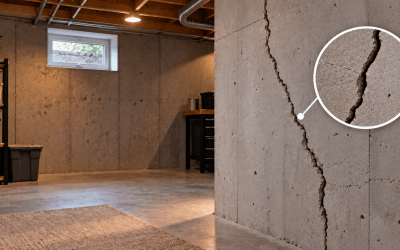

A wet basement is more than just a nuisance—it’s a costly problem that can damage your home and affect your health. Whether your basement is finished or just used for storage, water infiltration can wreak havoc on your property. In areas like Middlesex, Huron, and Perth counties, rising water levels and heavy spring rainfall can increase the risk of wet basements. The sooner you address water issues in your basement, the less likely you are to face serious financial and health consequences.
Here are four shocking reasons why living with a wet basement can cost you:
Cosmetic Damage: The Immediate Impact
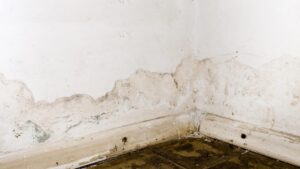
A wet basement is an immediate eye sore, and it can cause significant cosmetic damage. For homeowners who have finished their basement into a living space or entertainment area, water intrusion can ruin carpets, drywall, and flooring. Even small leaks can cause big problems. Water seeps into insulation, walls, and floors, leading to unsightly stains, warped materials, and the need for costly repairs.
Saturated carpets can become stained and smell musty, which invites the growth of mold and mildew. Hardwood and laminate floors may buckle or warp when exposed to moisture. Even the structural framing of the walls can rot over time. Water can come from several sources, such as a rising water table, leaking pipes, or broken appliances like dishwashers and washing machines.
Before fixing cosmetic damage, always address the root cause. If water keeps entering your basement, the damage will only continue. At BEST Plumbing and Drainage, we specialize in identifying and resolving the underlying issues, so you can prevent future problems.
Health Hazards: Mould and Mildew
 A wet basement doesn’t just damage your home’s appearance—it can also jeopardize your health. Damp, poorly ventilated spaces are the perfect breeding grounds for mold and mildew. Black mold, in particular, can cause serious respiratory issues, allergies, headaches, and even long-term conditions like asthma. Mold can also cause chronic fatigue, making life in a wet basement dangerous for you and your family.
Even less harmful types of mold can create unpleasant odors and lower your home’s indoor air quality. Musty smells from mold can linger and spread throughout the house, creating an uncomfortable living environment. Mould can also weaken your home’s structural components as it eats away at wood, drywall, and insulation.
Furthermore, mold problems can decrease your home’s value, especially if you plan to sell. Potential buyers are often wary of mold issues, and a house with visible mould will struggle to pass inspections.
Structural Integrity: A Threat to Your Home’s Foundation
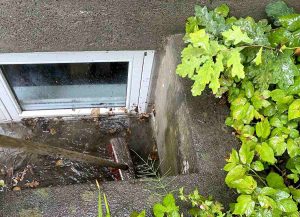 Water intrusion doesn’t just harm your basement—it can also undermine the very foundation of your home. Over time, the pressure exerted by water against the foundation can cause cracks, leaks, and even shifting walls and floors. These problems may not be noticeable right away, but they can have serious, costly consequences.
Water from rising water tables or poor yard drainage can seep into the basement through window wells, cracks and seams in the foundation. If left unchecked, these leaks can grow larger and cause significant damage. The force of water against your foundation can weaken the concrete, making it more susceptible to further damage.
Foundation problems can also make it difficult to sell your home. Many buyers shy away from properties with foundation issues, and homes with major structural problems may fail to pass inspections. Fixing foundation damage is expensive, so it’s essential to address water infiltration early to avoid long-term structural problems.
Faulty Plumbing and Appliances: A Hidden Source of Water Damage
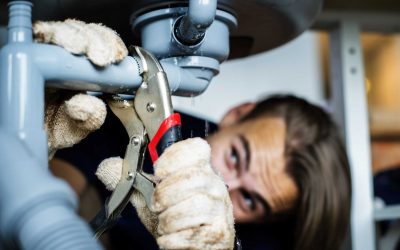
Not all water damage comes from the outside. Faulty plumbing and malfunctioning appliances can also contribute to a wet basement. For instance, a backed-up sewer line, leaky pipes, or broken washing machines can introduce unwanted water into your basement. These problems may seem minor initially, but over time they can cause significant damage to both your home’s structure and the finished spaces in your basement.
Even if you fix the visible source of the leak, the water may have seeped into insulation, drywall, or under flooring, causing hidden damage. To prevent further deterioration, it’s important to inspect the affected areas thoroughly. Removing damaged materials like drywall and carpeting is essential to stop moisture from lingering and to prevent mold growth.
Maintaining your plumbing system and appliances can help prevent water damage from these sources. Regular inspections and timely repairs are crucial to avoiding the need for expensive repairs later on.
Conclusion: The True Cost of a Wet Basement
While a wet basement may seem like a minor inconvenience, it can lead to significant costs if left unresolved. Cosmetic damage, health risks from mold, structural damage, and hidden plumbing issues are all consequences of ignoring water infiltration. The longer you wait to address the issue, the higher the potential costs to repair damage and ensure the safety of your home.
Addressing the root cause of the water intrusion is critical in preventing long-term damage. Whether you need a sump pump, basement waterproofing, or repairs for leaking pipes, BEST Plumbing and Drainage can help. Our team specializes in wet basement repair, waterproofing, and leak detection in London, Ontario including Middlesex, Huron, and Perth counties.
With over 50 years in business and a 20-year warranty on our services, we offer trusted solutions to keep your home dry and safe. Don’t let water damage escalate—contact BEST Plumbing and Drainage today for a free consultation. We’ll work with you to fix the issue, protect your home, and avoid the high costs associated with a wet basement.
Final Thoughts on Prevention
The best way to avoid the costs of a wet basement is through regular maintenance and prevention. Clean your gutters, maintain your plumbing, and ensure that water is directed away from your home’s foundation. Taking proactive steps now can help you avoid serious issues later, protecting your home’s value and your peace of mind.
At BEST Plumbing and Drainage, we are here to help with all your basement waterproofing needs. Contact us today (519) 438-6565 to schedule an appointment. Let’s keep your home dry and safe for years to come!
Frequently Asked Questions About Wet Basements
How much does it cost to fix a wet basement in Ontario?
The cost varies depending on the cause and severity of the problem. Minor waterproofing repairs can start at a few hundred dollars, while more involved solutions like interior drainage systems, sump pump installation, or exterior waterproofing can range from $5,000 to $15,000 or more. The longer you wait to address the issue, the more expensive the fix becomes — cosmetic damage, mould remediation, and structural repairs add up quickly. Contact BEST Plumbing and Drainage for a professional assessment and accurate quote.
What causes a wet basement?
Wet basements are typically caused by one or more of the following: poor drainage around the foundation, a high water table, heavy rainfall or snowmelt, leaking or cracked foundation walls, clogged eavestroughs, or faulty plumbing and appliances like dishwashers and washing machines. In areas like Middlesex, Huron, and Perth counties, spring rainfall and rising water levels make wet basements particularly common. Identifying the root cause is the most important first step before any repairs are made.
Is a wet basement covered by home insurance in Canada?
It depends on the cause. Sudden and accidental water damage — such as a burst pipe — is typically covered by standard home insurance. However, water seepage, groundwater infiltration, and flooding from outside are often excluded from basic policies. Many homeowners in Ontario are surprised to discover their wet basement isn't covered. Check your policy carefully and speak with your insurer about adding overland water or sewer backup coverage if you don't already have it.
How do I know if my wet basement is causing mould?
The most common signs of mould in a wet basement include a persistent musty smell, visible dark spots or discolouration on walls, floors, or insulation, and increased allergy symptoms or respiratory issues among household members. Mould can grow within 24–48 hours of water exposure and spread quickly in damp, poorly ventilated spaces. If you suspect mould, it's important to address both the mould itself and the underlying moisture source — treating one without the other won't solve the problem.
Can a wet basement affect my home’s value?
Absolutely — and significantly. A wet basement is one of the most common deal-breakers in a home sale. Buyers and home inspectors look for signs of water damage, mould, and foundation issues, and any of these can reduce your home's value or kill a sale entirely. Addressing wet basement issues proactively protects your investment and makes your home far more attractive to buyers when the time comes to sell.
What is the difference between interior and exterior basement waterproofing?
Interior waterproofing manages water that has already entered the basement — typically through drainage channels, sump pumps, and vapour barriers installed inside the home. It's less disruptive and generally less expensive. Exterior waterproofing addresses the problem at the source by excavating around the foundation and applying waterproof membranes and drainage systems to the outside of the foundation walls. It's more involved but provides a more comprehensive, long-term solution. The right approach depends on the severity of your problem and your home's specific situation. BEST Plumbing and Drainage can assess which solution makes the most sense for you.
How quickly should I act if I have a wet basement?
As soon as possible. Water damage compounds quickly — what starts as a minor seep can lead to mould within 24–48 hours, structural damage within weeks, and serious foundation issues over months and years. The longer you wait, the more expensive and disruptive the repair becomes. If you're dealing with active water intrusion, BEST Plumbing and Drainage offers 24-hour emergency services to help you act fast and protect your home.
How do I prevent a wet basement in the first place?
Prevention is always cheaper than repair. Key steps include ensuring your eavestroughs and downspouts are clear and directing water away from the foundation, grading the soil around your home so it slopes away from the foundation, installing a sump pump if you don't already have one, regularly inspecting plumbing and appliances for leaks, and having your drainage system professionally inspected if you live in an area prone to heavy rainfall. A little maintenance goes a long way toward keeping your basement dry year-round.